
How Long Is the Lifespan of a Wind Turbine?
Most modern wind turbines are designed for about 20–25 years. That is a design assumption, not an automatic retirement date: some assets can continue operating after engineering review, while others need major component replacement, repowering or retirement earlier because of condition, loads or economics.
Below is a clear overview of how long wind turbines typically last and what options open up once they reach the end of their designed operational life.
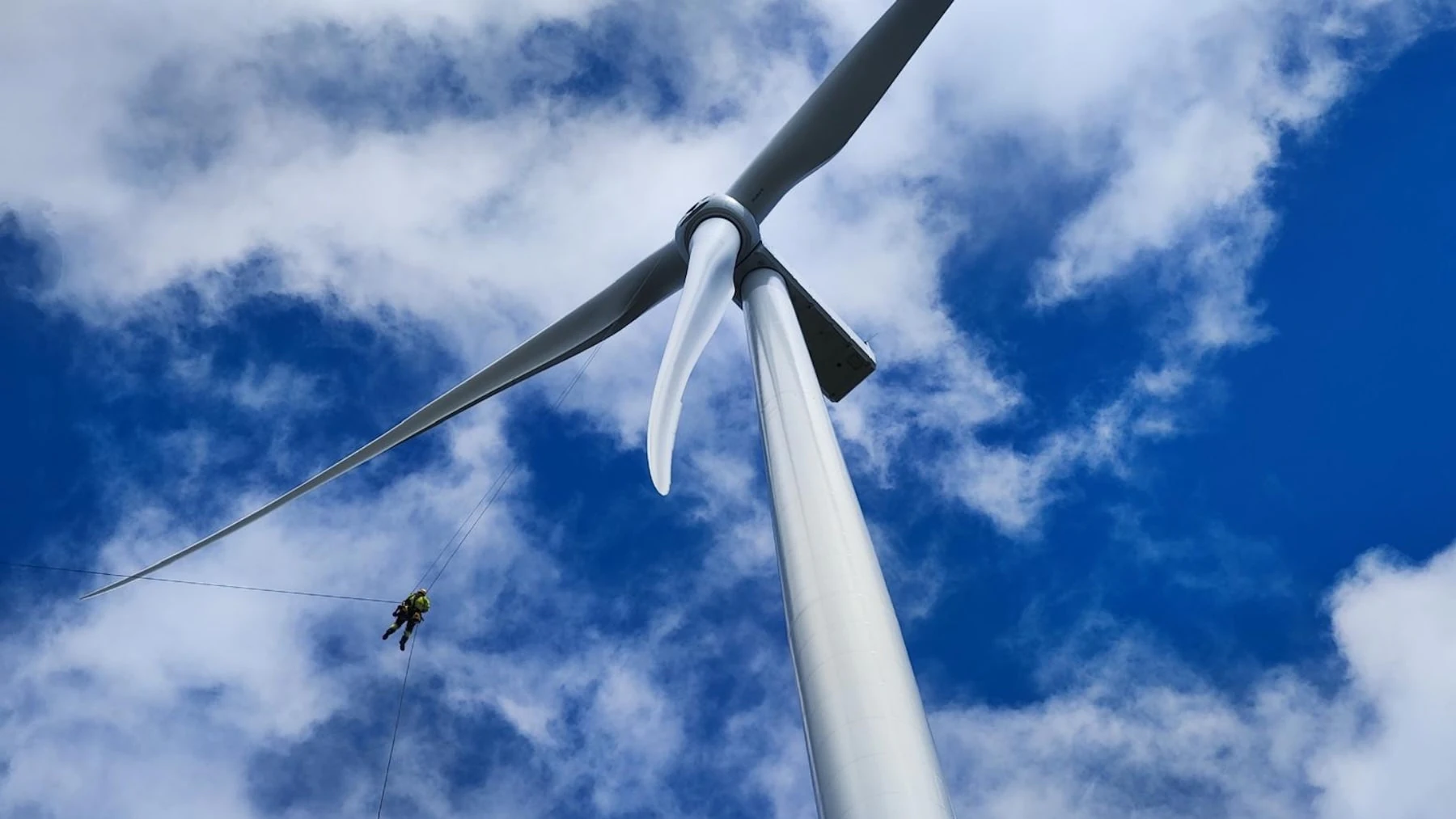
Designed Lifespan of Modern Wind Turbines (20–25 Years)
The design life reflects assumptions about wind climate, fatigue loads, materials and operating cycles. Actual condition must be established from inspection, monitoring history, maintenance records and an engineering assessment; age alone cannot show that a turbine is safe to keep operating.
Owners should distinguish calendar age from accumulated fatigue. Turbulence, starts and stops, curtailment, component replacements and site-specific loading can make two turbines of the same age materially different.
Manufacturers consider this window the baseline for financing, warranty design and energy-production modelling.
However, design life does not equal end-of-life or guarantee performance for a fixed period. It is the period covered by the design assumptions; actual operation depends on loads, condition, maintenance and any engineering limits that apply.
Service life describes how long the turbine actually remains in operation. It may be shorter than the design-life assumption if condition, safety, parts, permits or economics no longer support operation, or longer when assessments and any required controls support continued use. Life extension is the engineering and operational case for that continued use; it is not created automatically by reaching a particular age or by completing routine maintenance.
Real Operational Lifespan of Onshore Wind Turbines
Onshore assets may be candidates for life extension when structural, mechanical and electrical assessments support it. Gridinta’s onshore wind maintenance work focuses on keeping inspection and corrective work accessible throughout that operating life.
In practical terms:
– Fatigue consumption in the tower, foundation, hub and blades
– Condition and obsolescence of the drivetrain, controls and electrical systems
– Availability of replacement parts, permits and an economically viable operating plan
The most useful evidence includes load history, vibration and oil data, corrosion condition, blade and lightning-protection findings, tower and foundation condition, bolt integrity and the maintenance record. Regular wind turbine maintenance can address deterioration early, but it cannot replace a formal life-extension assessment.
A favourable site does not automatically justify extended operation. The assessment must compare the original design assumptions with recorded site loads and the turbine’s current condition.
High turbulence, temperature extremes, corrosion, repeated faults or incomplete records can reduce confidence in a life-extension case and increase the required inspection scope.
Real Operational Lifespan of Offshore Wind Turbines
Offshore projects may also use a nominal 20–25-year design-life assumption, but the design basis and actual service life are asset-specific. Salt exposure, humidity, wave-induced loading, access constraints and corrosion can materially affect the condition of components and the evidence needed for continued operation.
An offshore life-extension review should pay particular attention to:
– Corrosion protection, coating breakdown and external steelwork condition
– Foundation, transition-piece, bolted-joint and cable condition
– Blade erosion, lightning-protection continuity and nacelle environmental exposure
Offshore access, vessel logistics and weather windows also affect whether a repair is technically and economically practical. Planned offshore wind maintenance helps owners gather condition evidence and schedule work before defects become larger interventions.
What Happens After a Turbine Reaches Its Designed Life
Once a turbine passes the twenty-year threshold, owners evaluate structural integrity, economic viability and projected output. Real-world outcomes fall into three clear categories.
Continued operation may be possible when the engineering assessment supports it and any resulting monitoring, inspection or repair conditions are followed. Approval periods and requirements are project- and jurisdiction-specific.
Repowering can be attractive when newer turbines improve energy yield or reduce unit maintenance cost, but the business case depends on planning consent, grid capacity, turbine spacing, foundations, market conditions and construction cost.
Full wind turbine decommissioning generally follows when continued operation is not supported or repowering is not feasible. The decision should account for permits, dismantling, material recovery and site-restoration obligations.
How to Decide Whether a Turbine Can Keep Operating
Begin before the design-life milestone by assembling service history, alarms, condition-monitoring trends and previous inspection findings. Define the scope with an independent engineer, resolve critical defects and use the resulting evidence to choose continued operation, refurbishment, repowering or decommissioning. The same lifecycle discipline applies to the tools around those decisions: Gridinta’s rebuilt website keeps service and maintenance guidance current and easier to access.