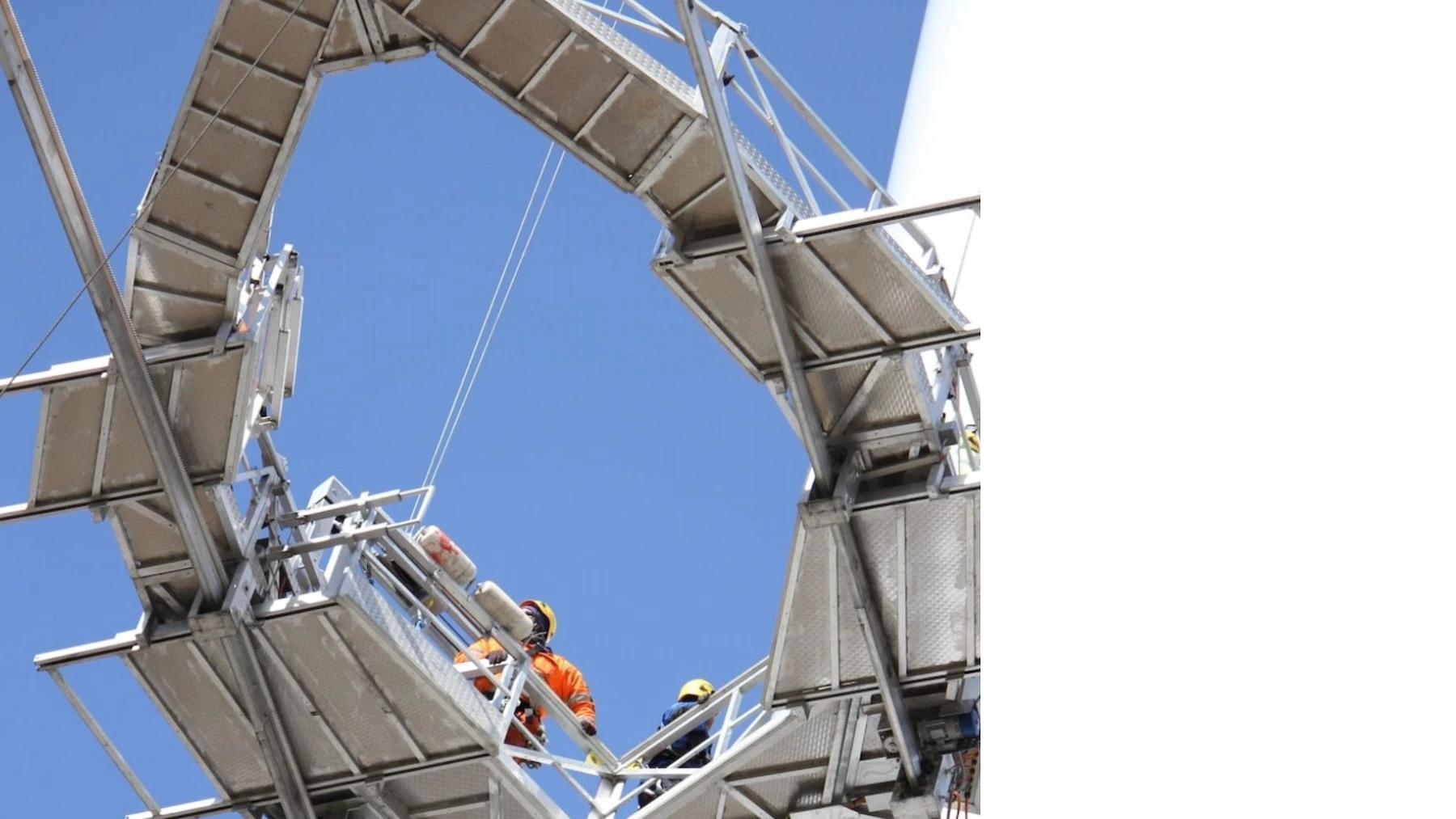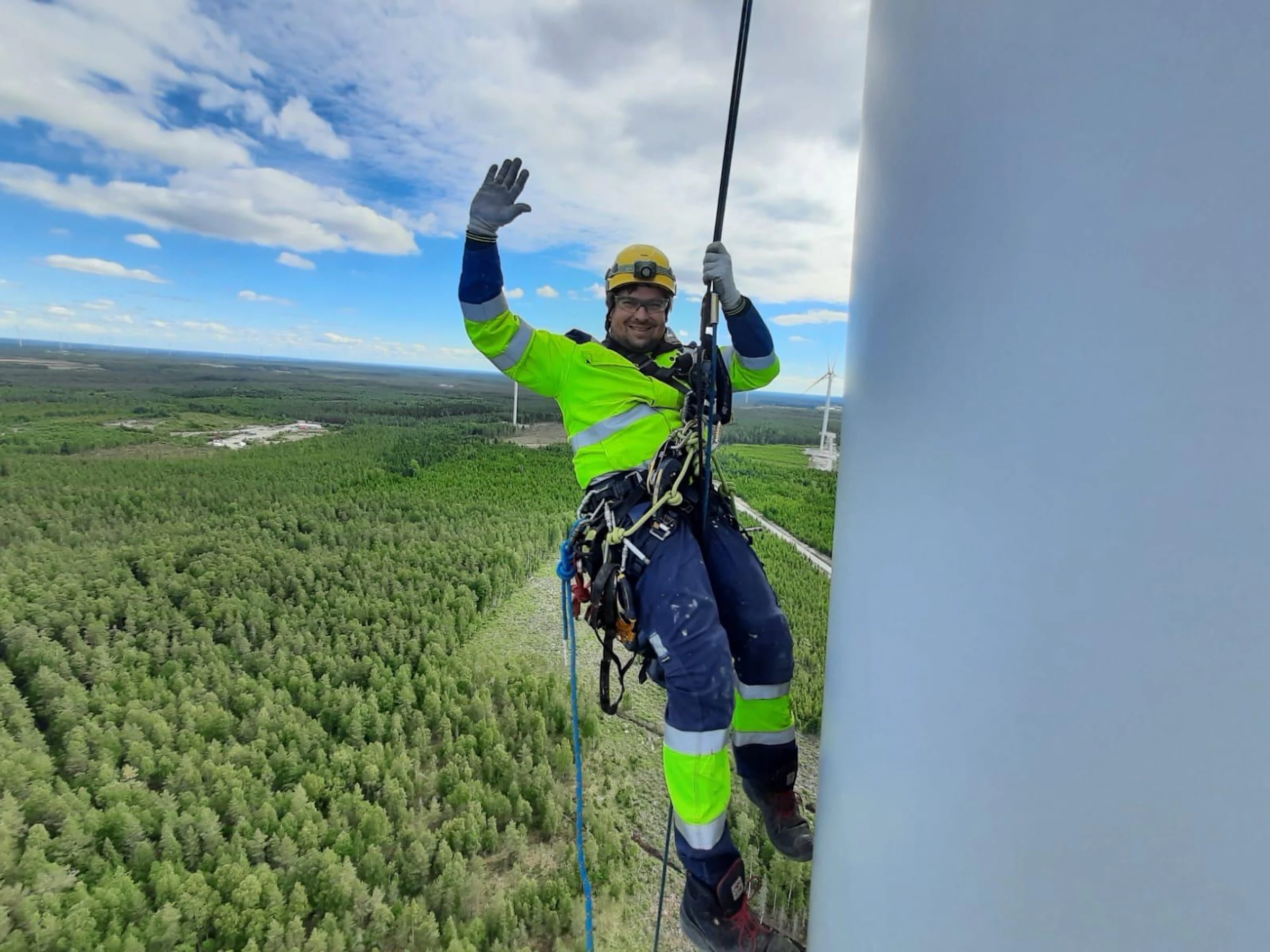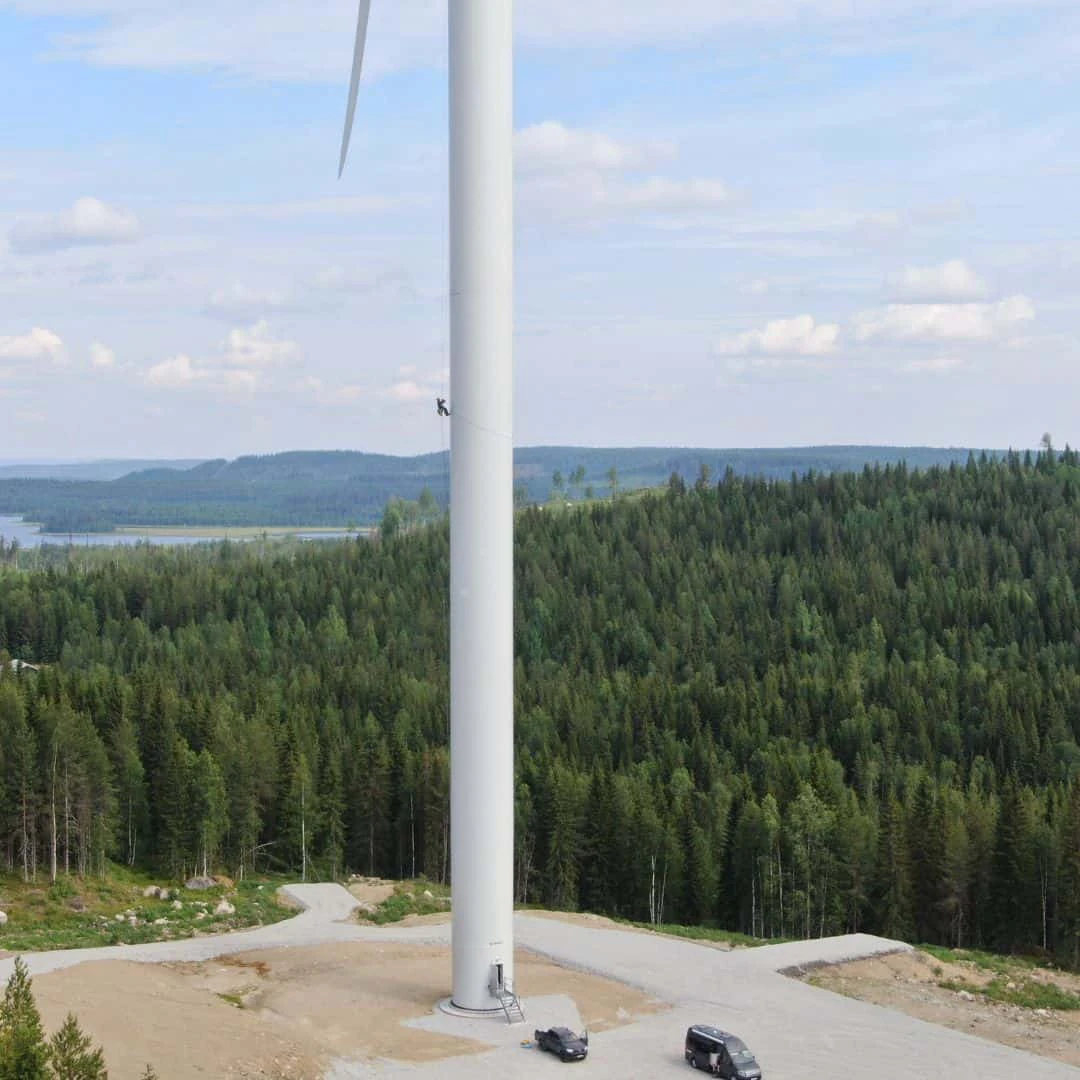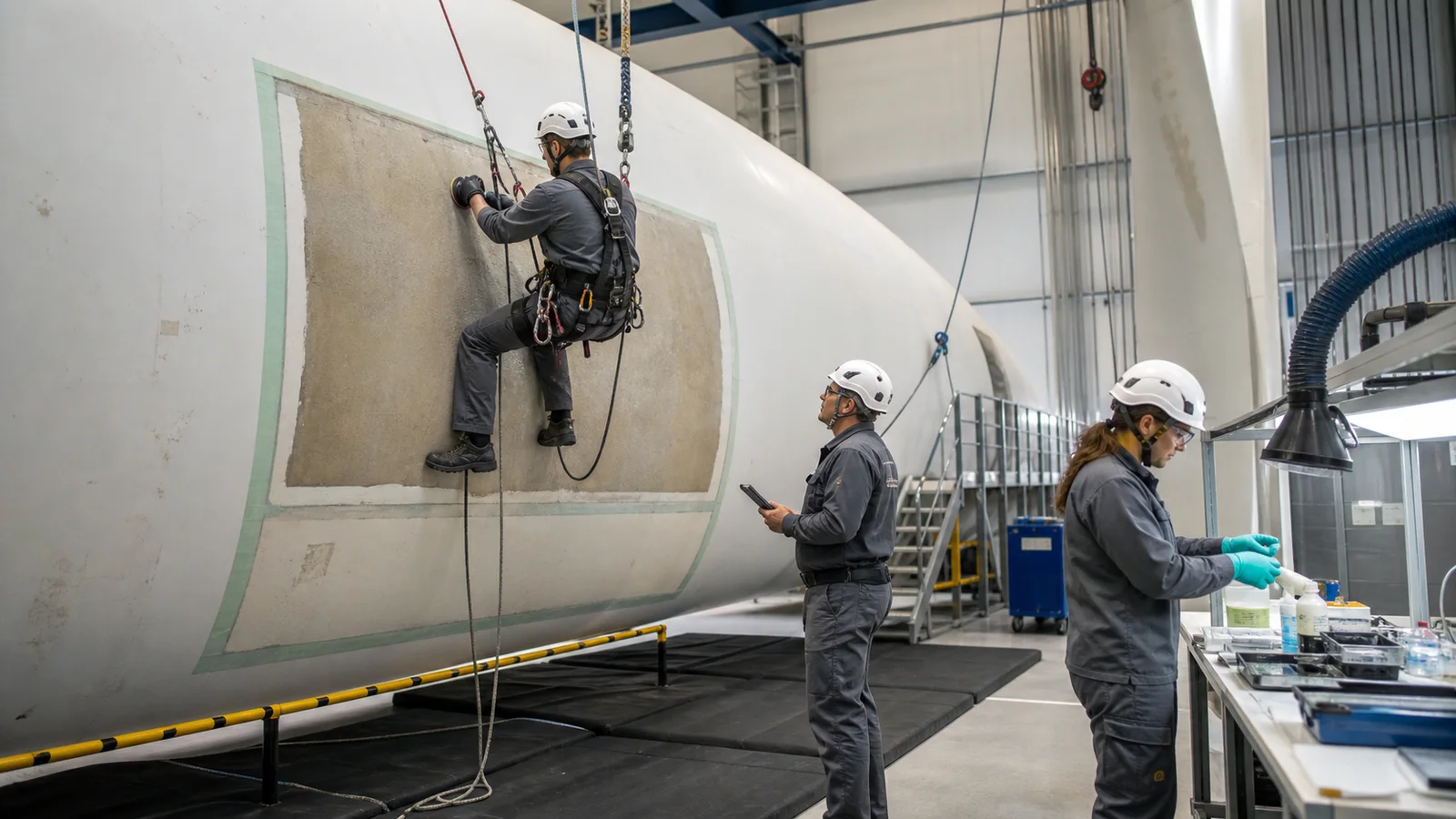
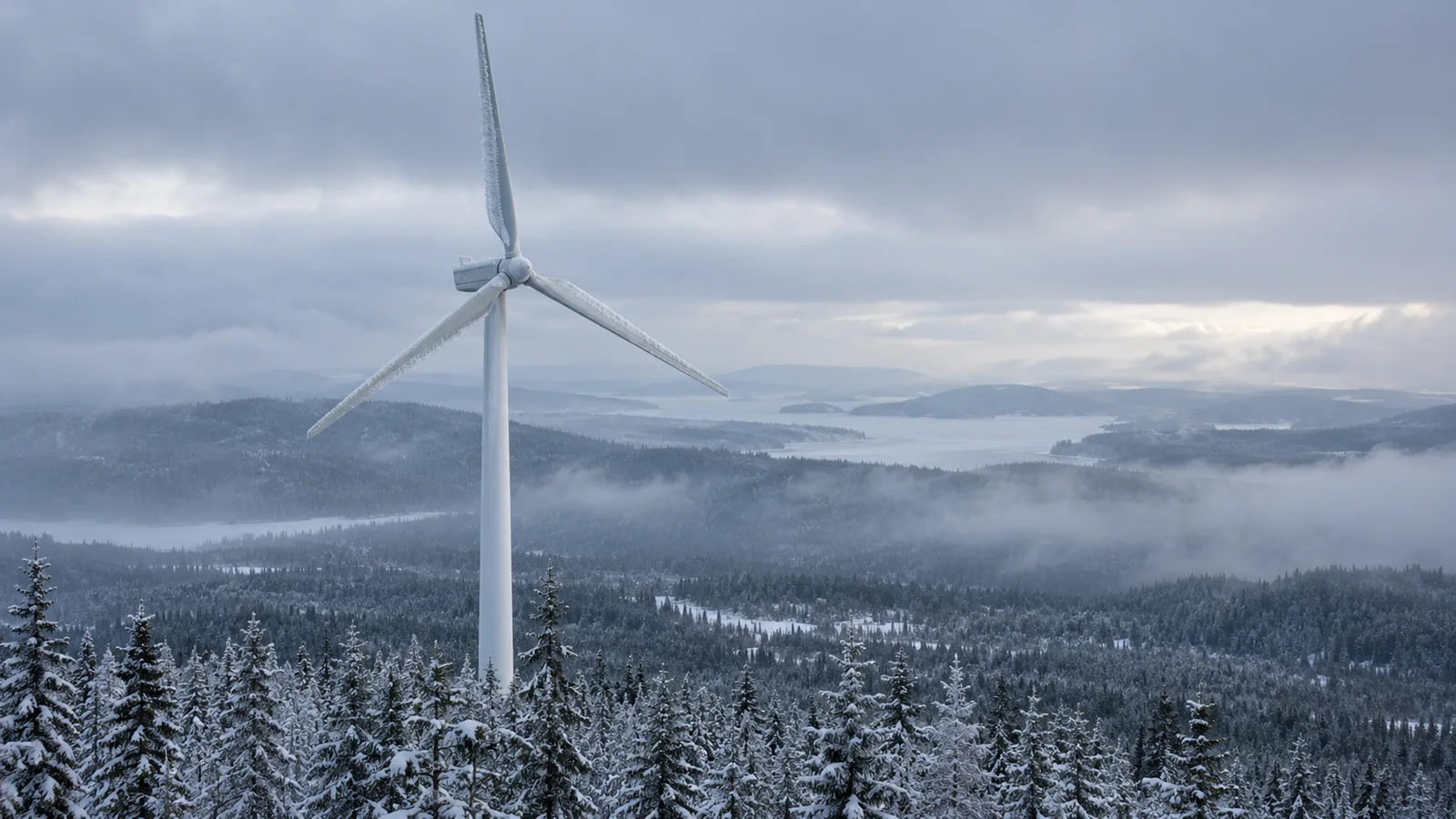
Why Wind Turbine Blade Cleaning and Coating Matter
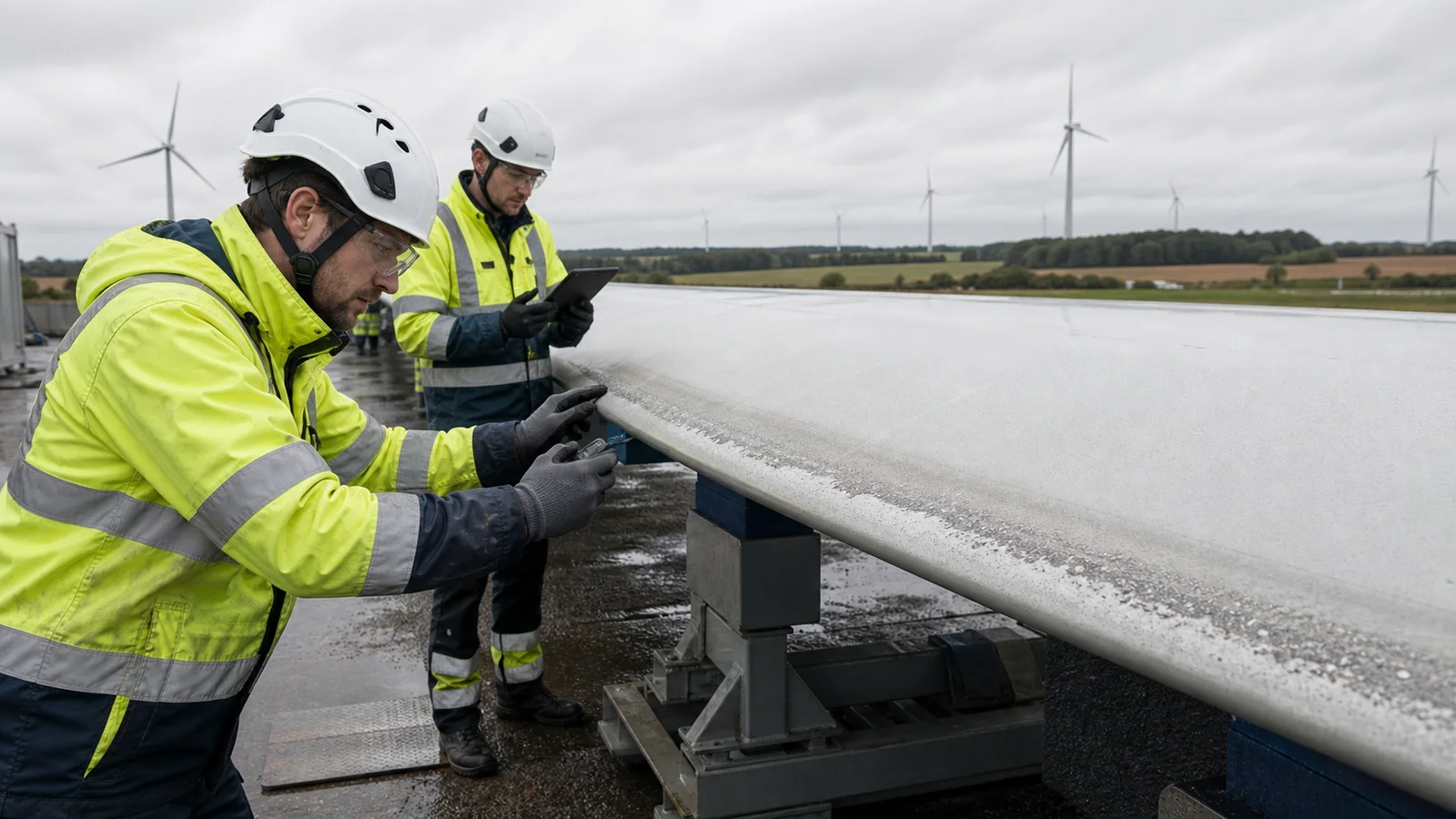
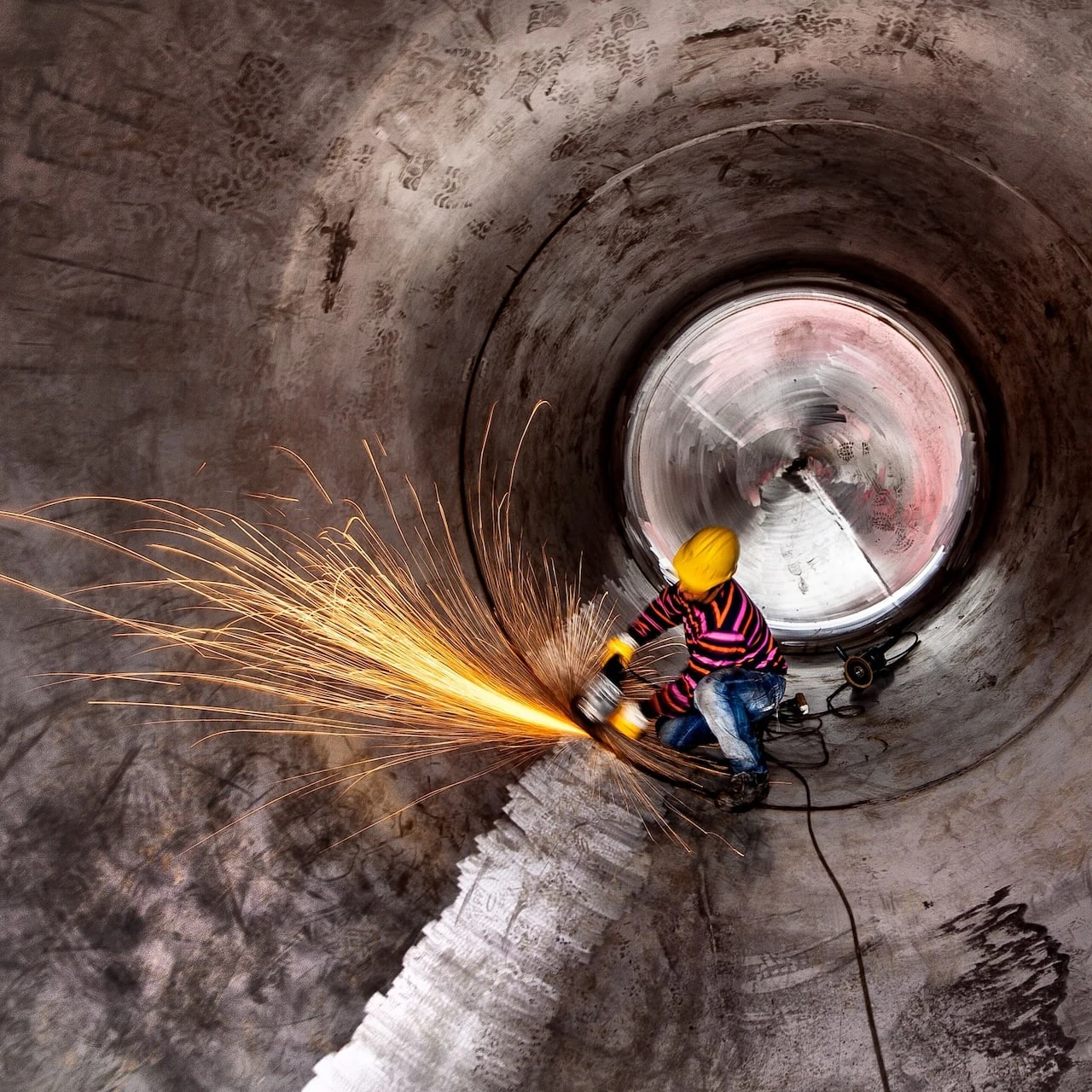
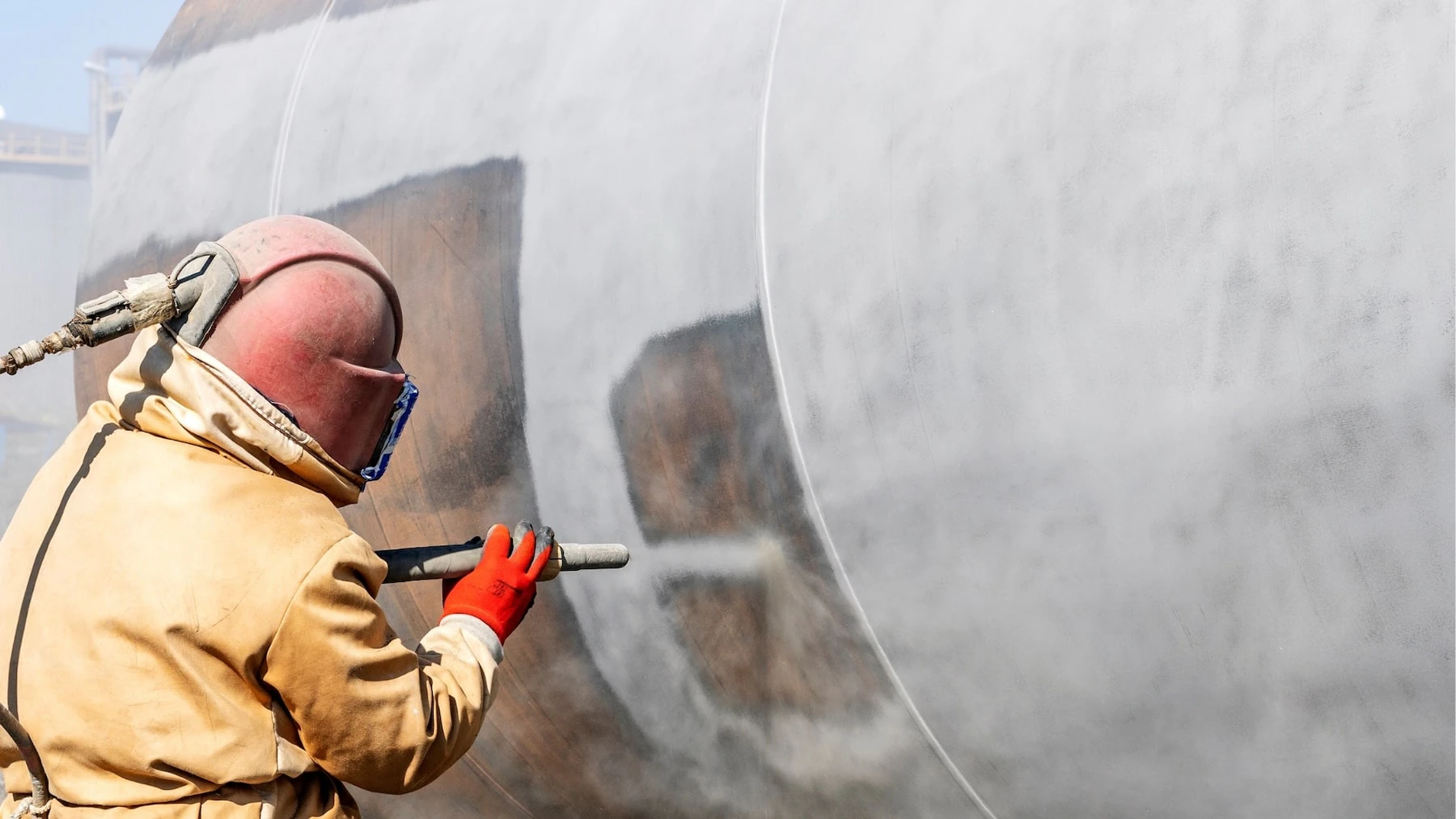
Rotor blade cleaning matters when contamination prevents a reliable inspection, interferes with an approved repair or protection system, or produces a demonstrated aerodynamic problem.…
Read article
Expert insights and tips on wind farms, oil & gas, industrial maintenance and more.
Rotor blade cleaning matters when contamination prevents a reliable inspection, interferes with an approved repair or protection system, or produces a demonstrated aerodynamic problem.…
Read article
A wind turbine service can take from a few hours of hands-on work to several working days, but there is no reliable universal duration. For first-pass planning, distinguish a remote…
Read article
A wind turbine life cycle begins with wind-resource and site assessment, then moves through permitting, design, procurement, manufacturing, transport, construction, commissioning, operation…
Read article
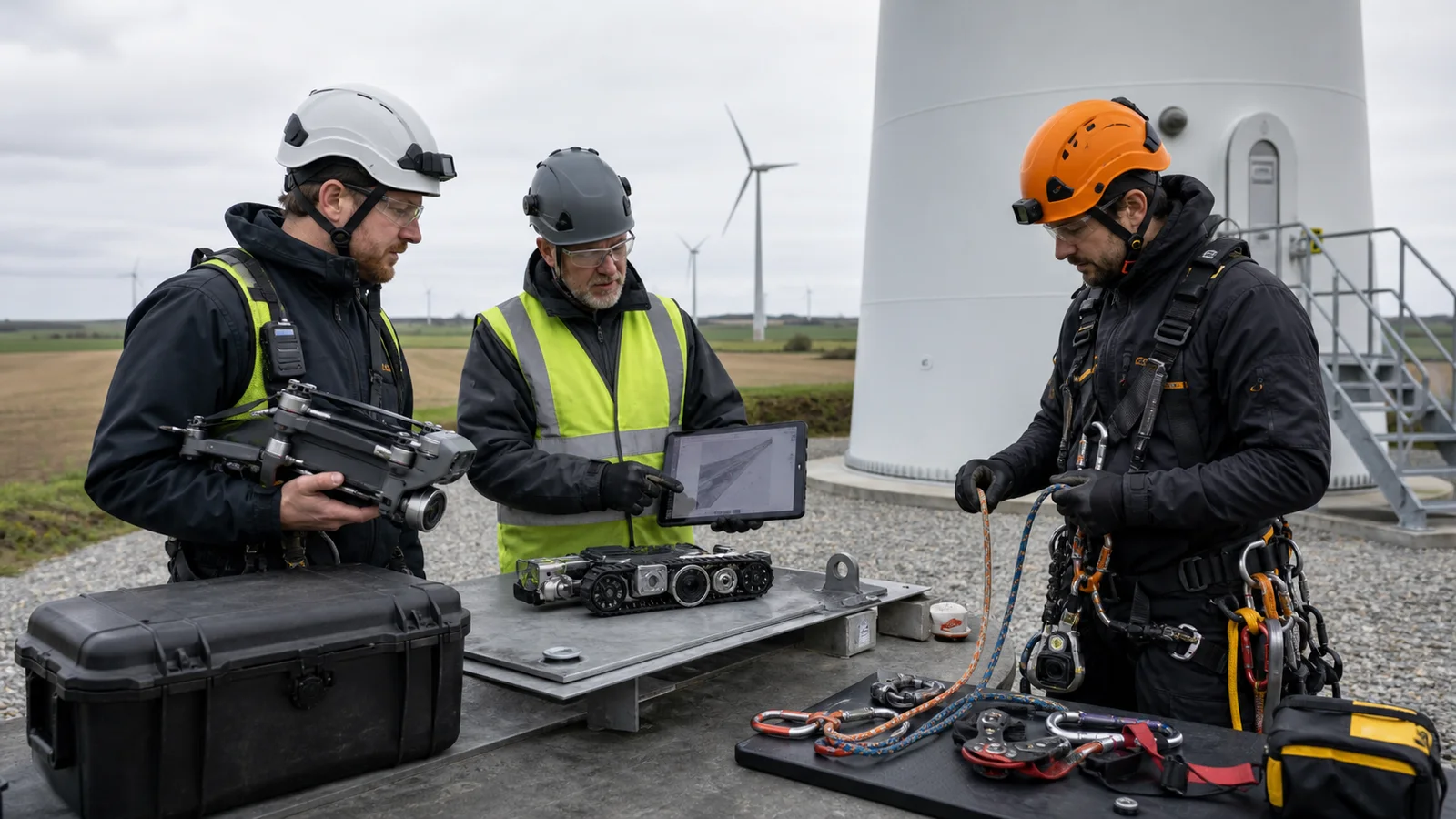
Choosing an inspection method for a land-based wind turbine starts with the decision the evidence must support. A visual drone can map accessible external surfaces, but a camera cannot feel…
Read article
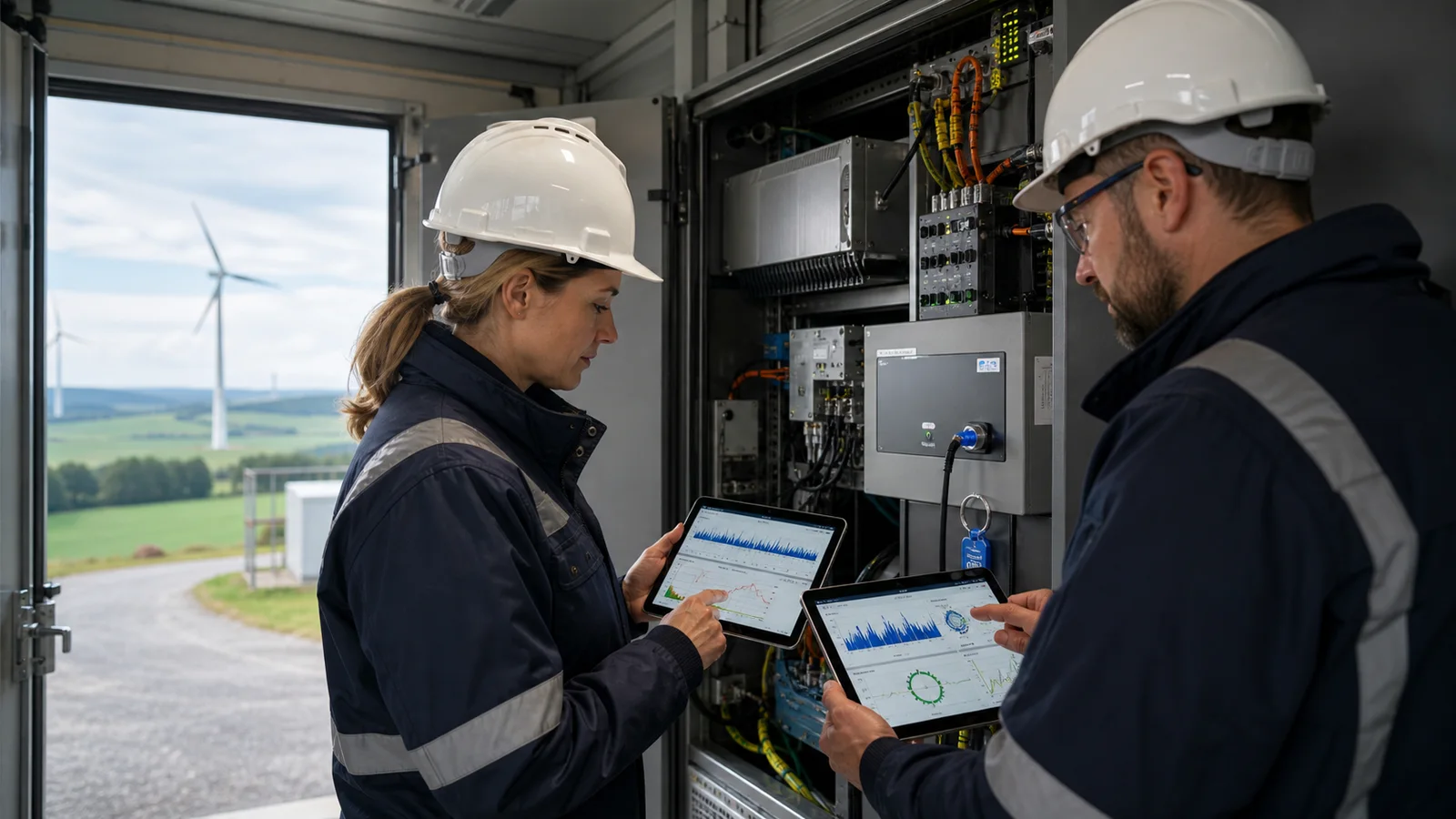
Condition-monitoring systems produce an onshore turbine maintenance record: temperatures, vibration, operating states, alarms, timestamps and other signals show component behaviour between…
Read article
Onshore wind turbine blade leading-edge erosion (LEE) starts when rain, hail or airborne particles strike the rotating nose of a composite blade. It can roughen or remove the topcoat or…
Read article
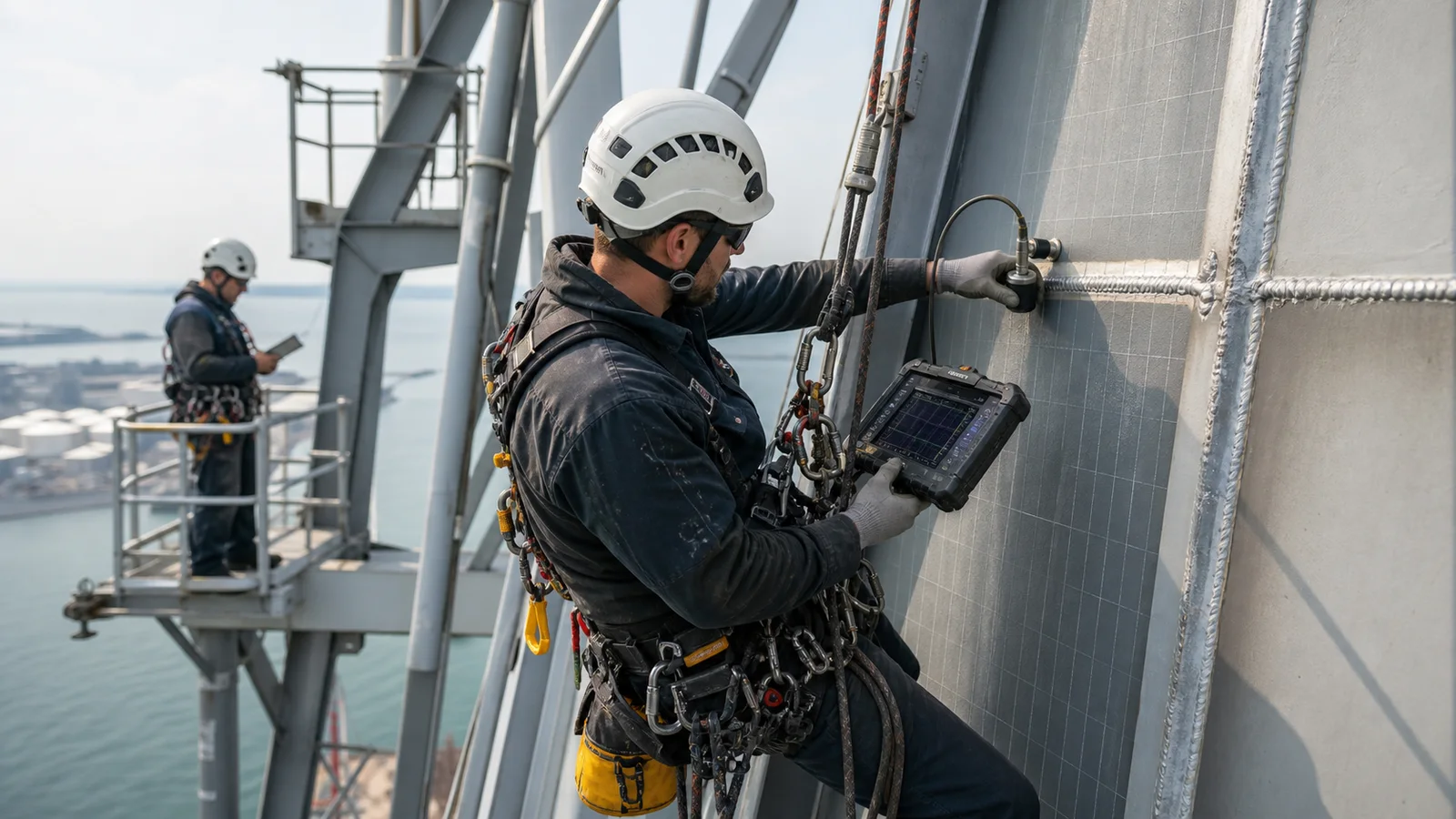
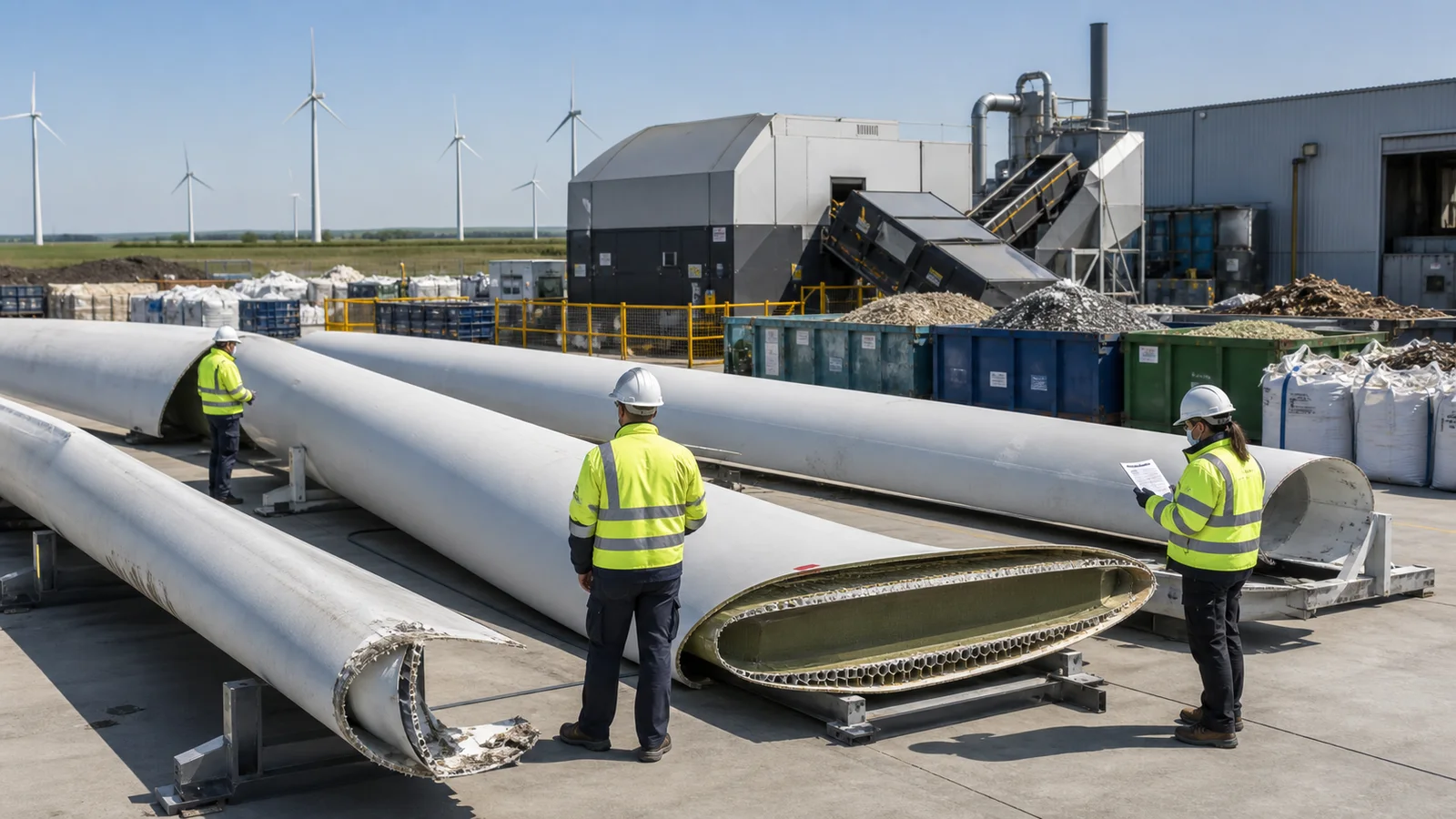
Decommissioned onshore wind turbine blades in Europe do not follow one universal route. After removal, an owner or waste partner normally assesses whether a blade or its sections can be…
Read article
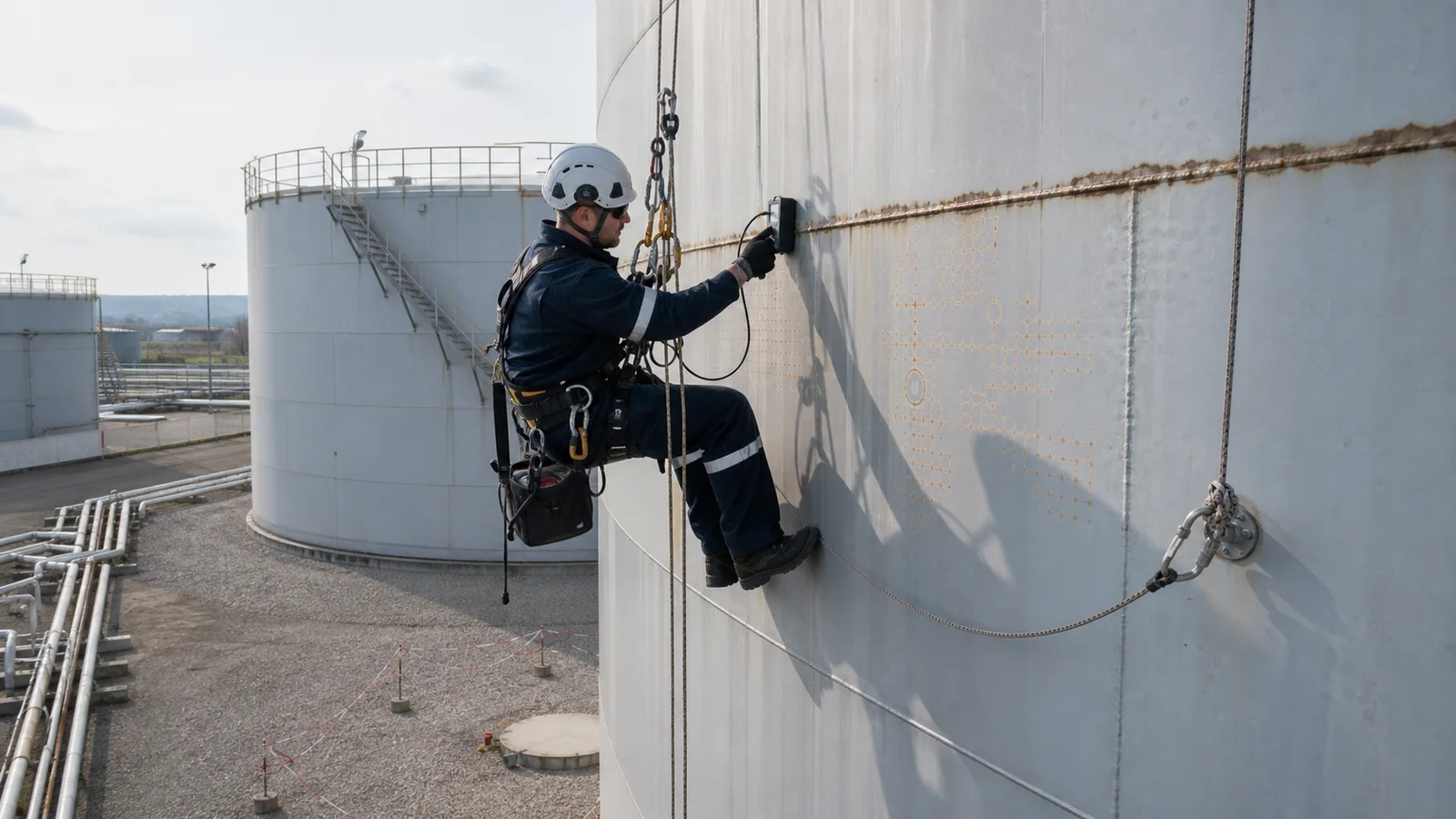
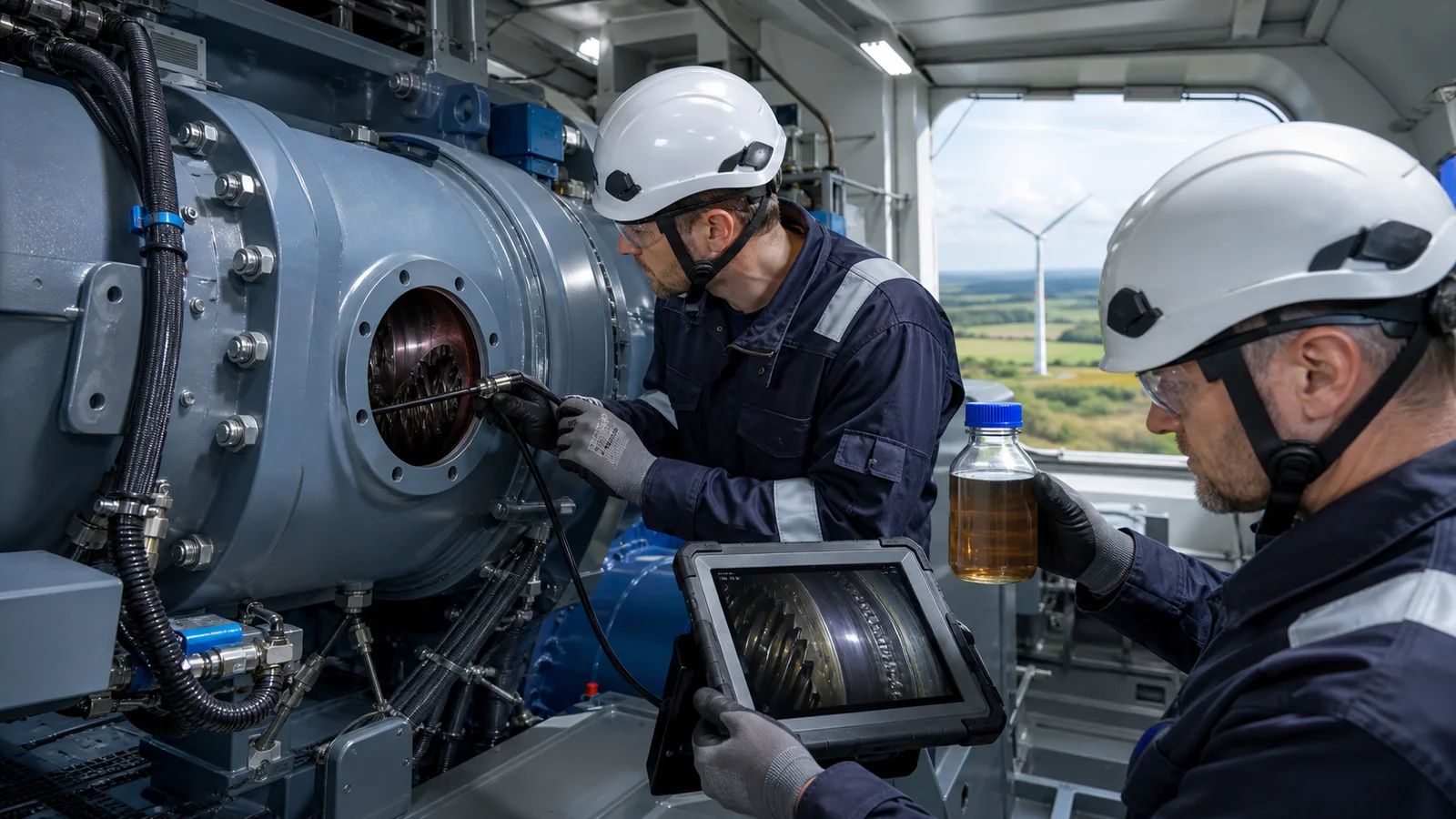
Wind turbine gearbox oil analysis and borescope inspection answer different diagnostic questions. Oil analysis examines a sample of the lubricant and the material carried in it, so it can…
Read article
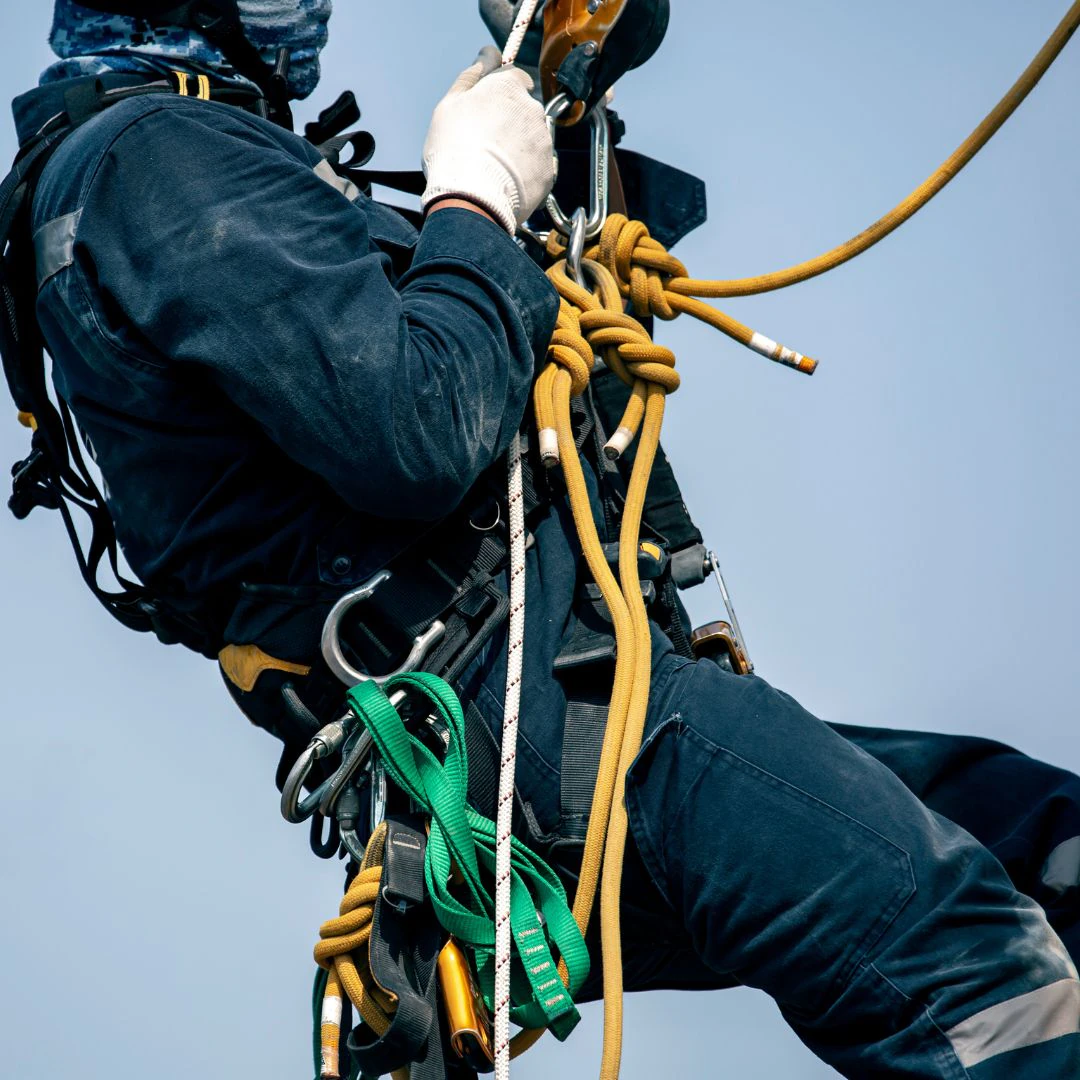
A useful onshore wind turbine inspection and maintenance checklist connects the maintenance decision to evidence from each major subsystem. Before a site visit, define the turbine, reason…
Read article
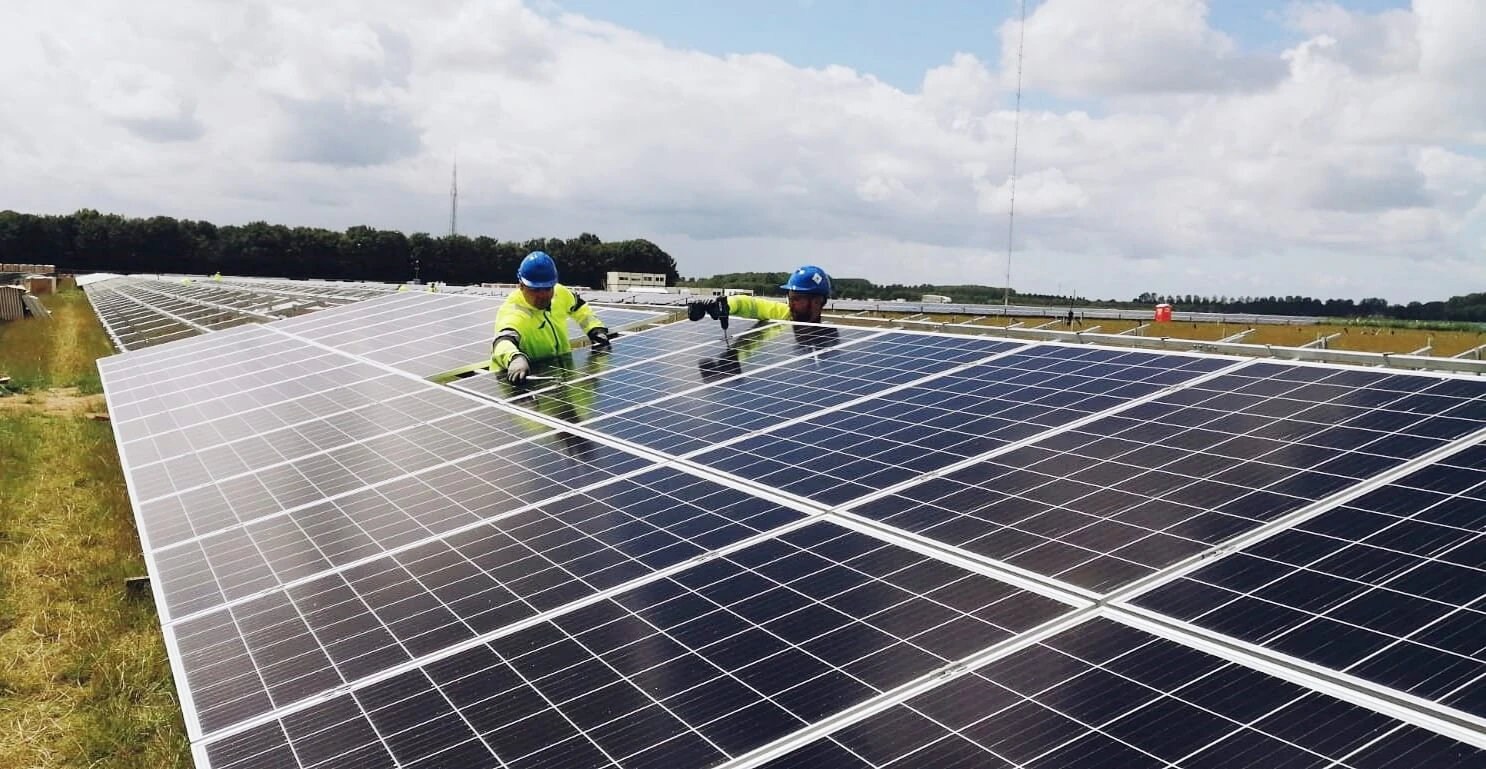
An onshore wind turbine life extension inspection is a structured condition-and-evidence exercise for a turbine approaching or beyond its original design life or a site-specific assessed…
Read article
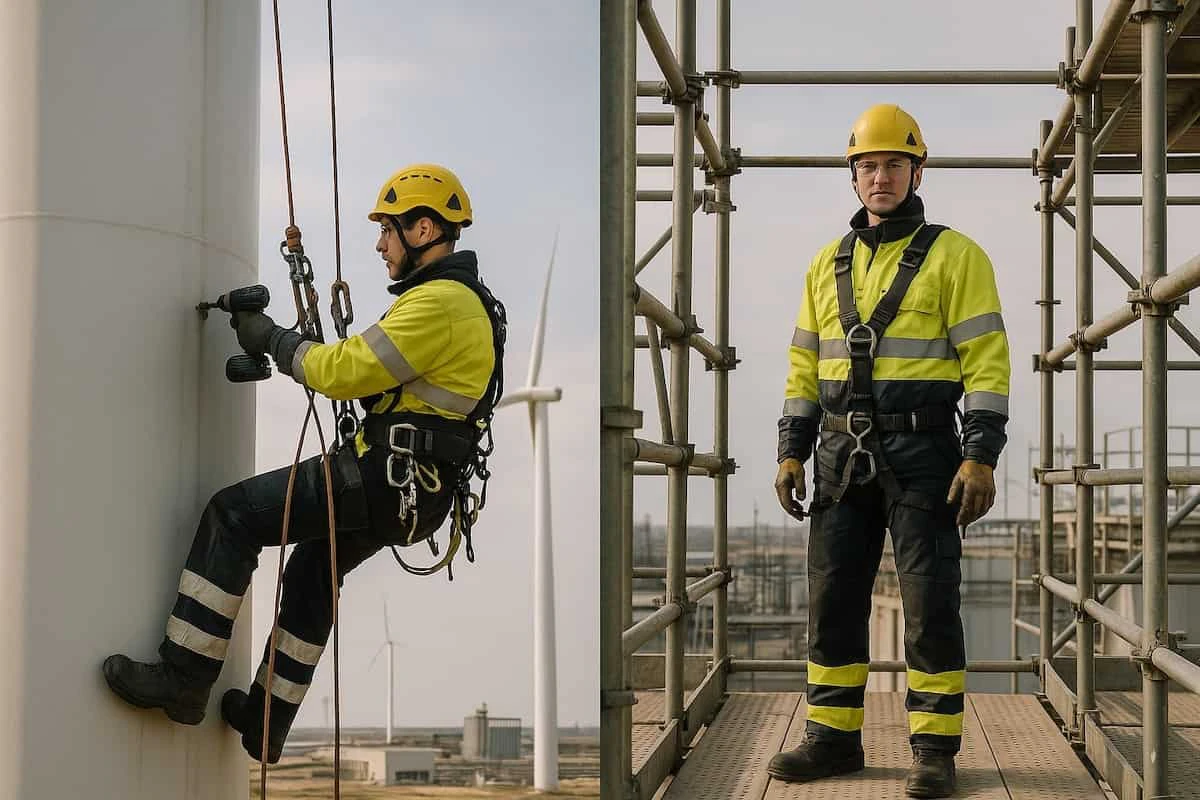
As wind farms age, owners face a critical decision point: continue operating older turbines, decommission them safely, or upgrade the site with new technology. Wind turbine repowering is…
Read article
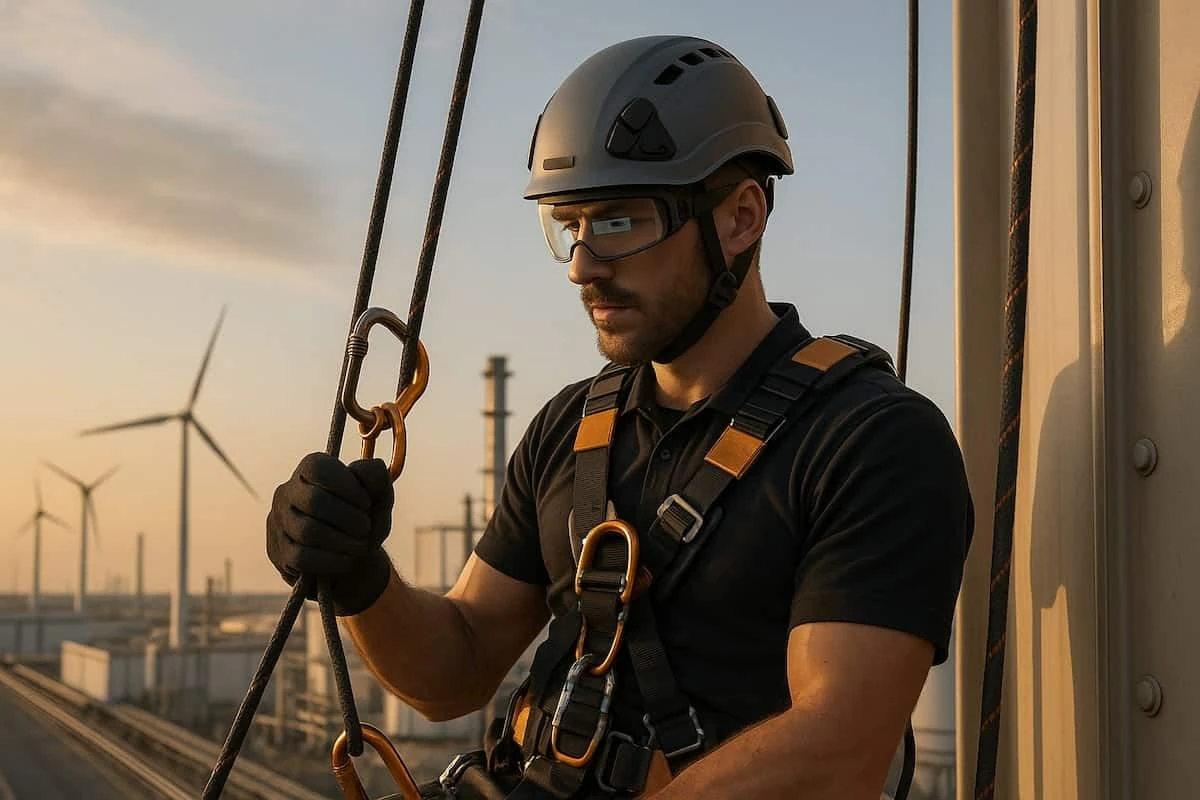
A wind turbine end-of-warranty inspection is an independent, condition-focused review planned early enough to identify and document potential defects before the applicable contractual…
Read article
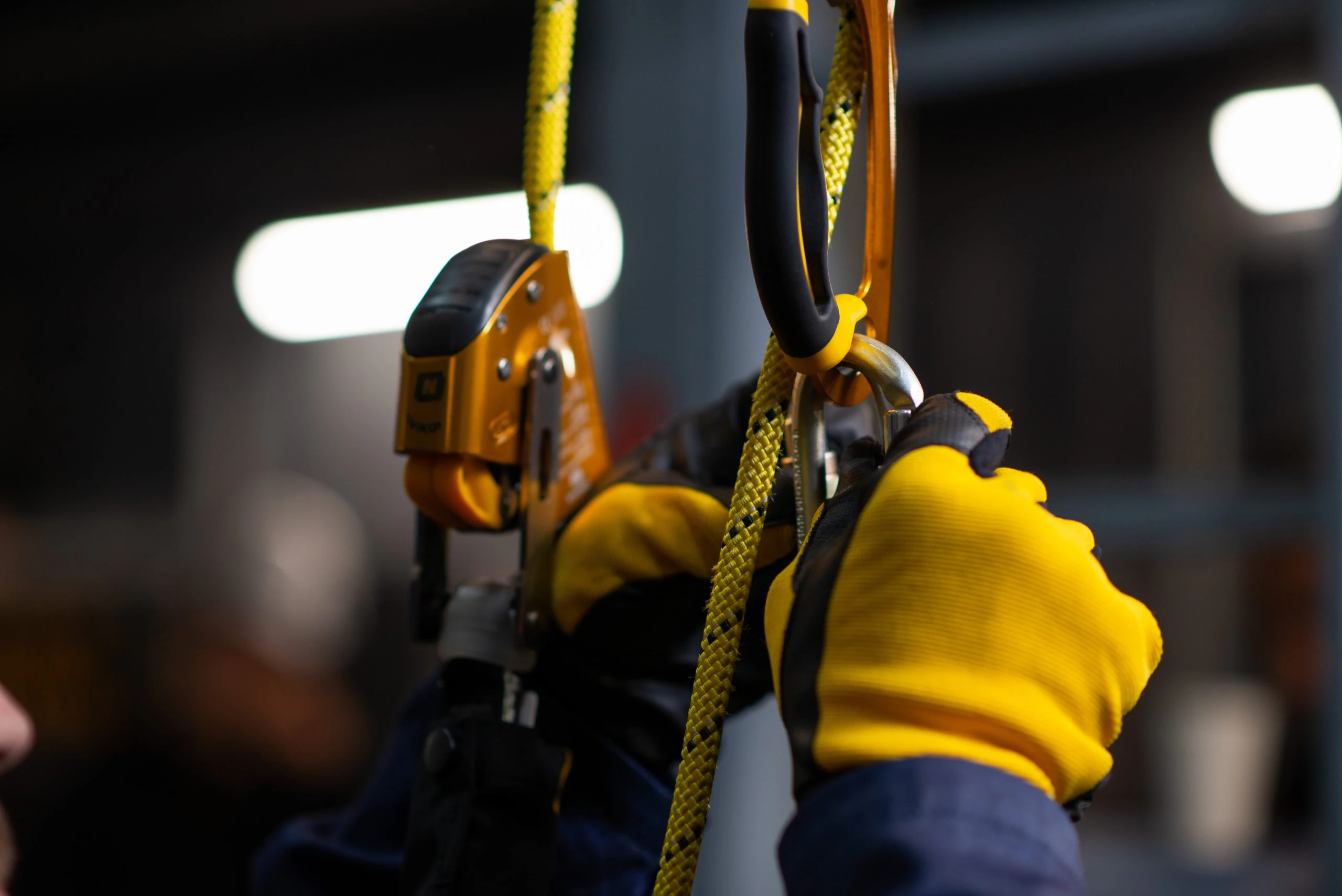
A wind turbine’s design life is commonly about 20–25 years, but age alone does not determine when operation must end. Decommissioning is the controlled and documented process of taking a…
Read article
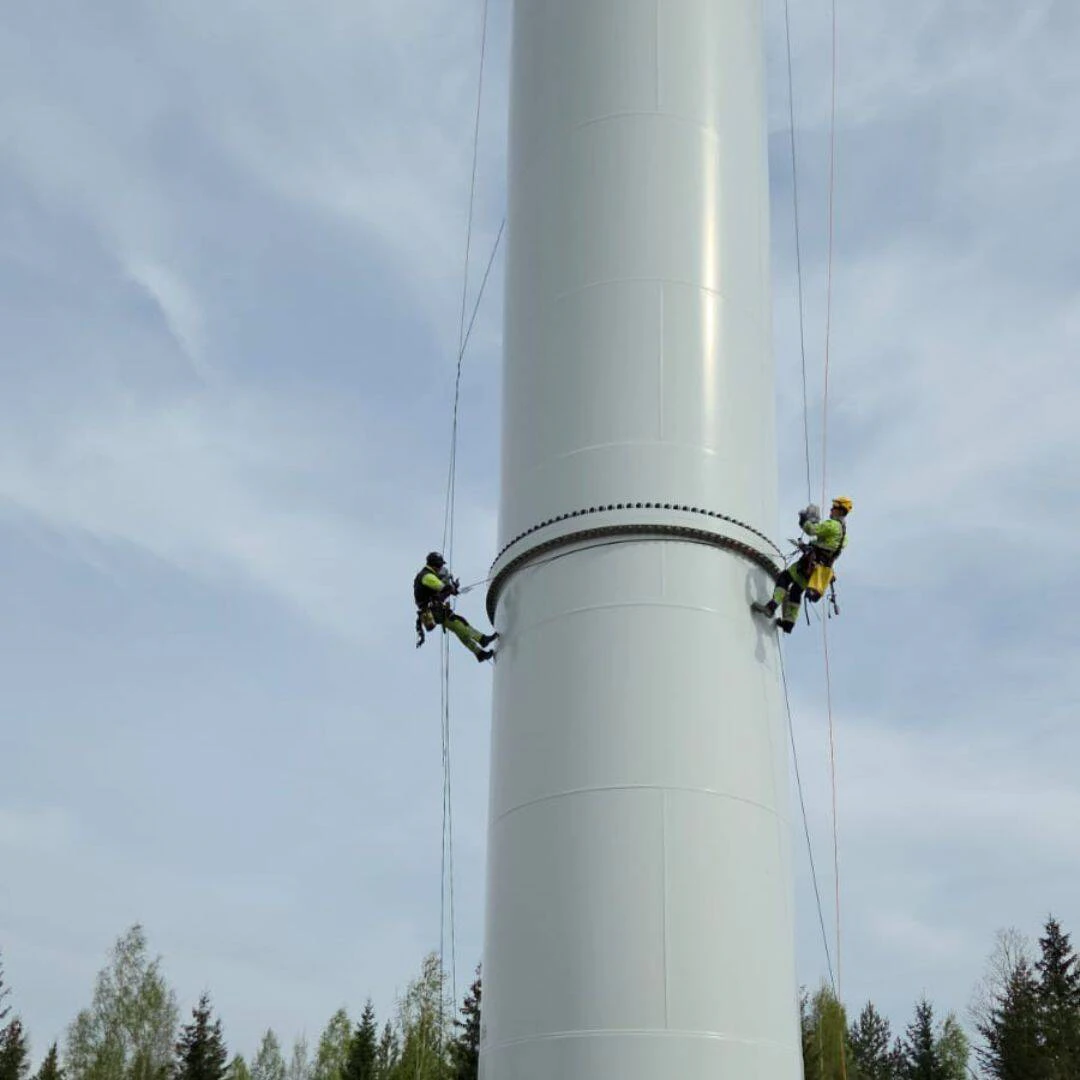
Most modern wind turbines are designed for about 20–25 years. That is a design assumption, not an automatic retirement date: some assets can continue operating after engineering review,…
Read article
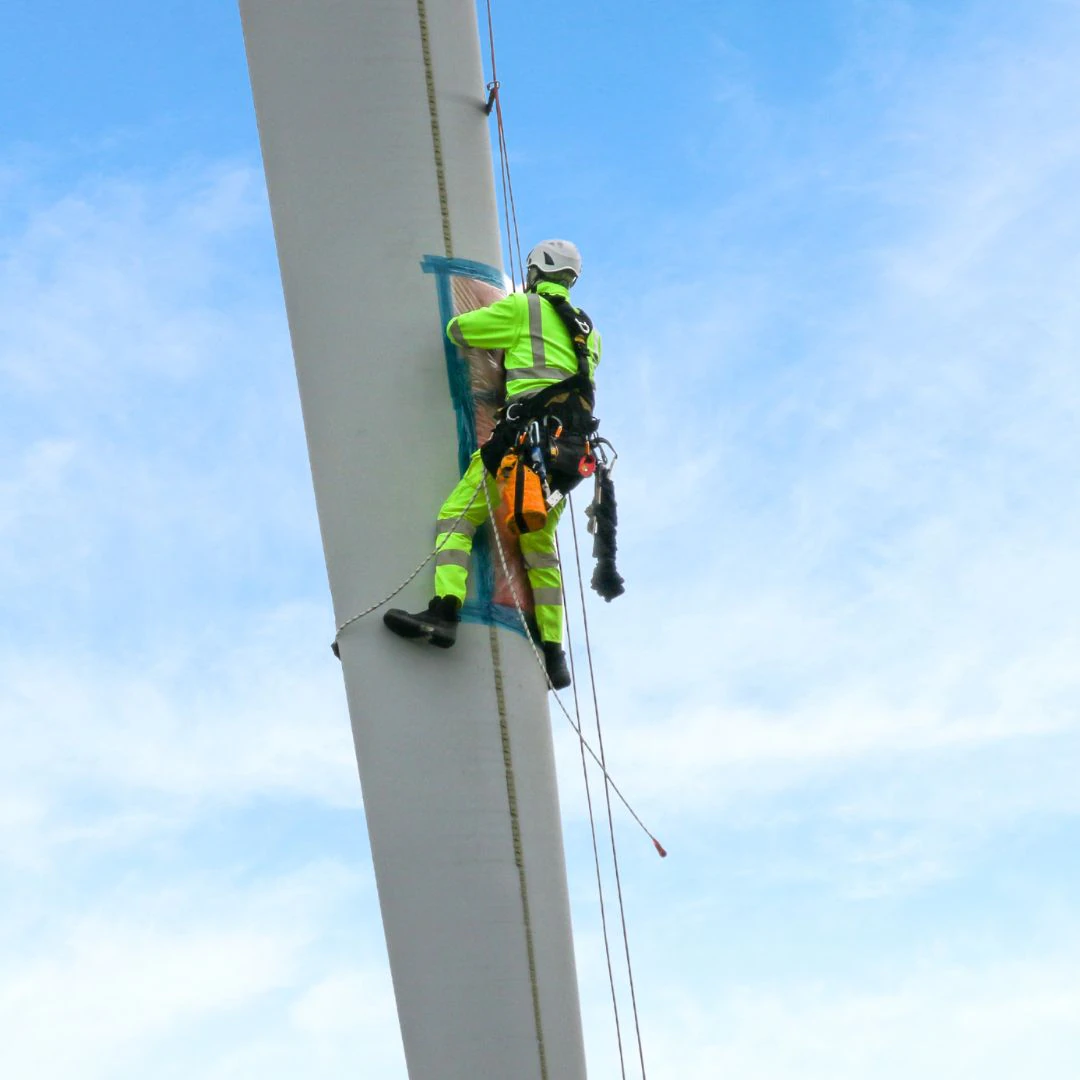
Wind turbines are built to run for decades, but even the best-managed wind farms experience technical failures over time. Understanding where and why these failures happen helps owners…
Read article
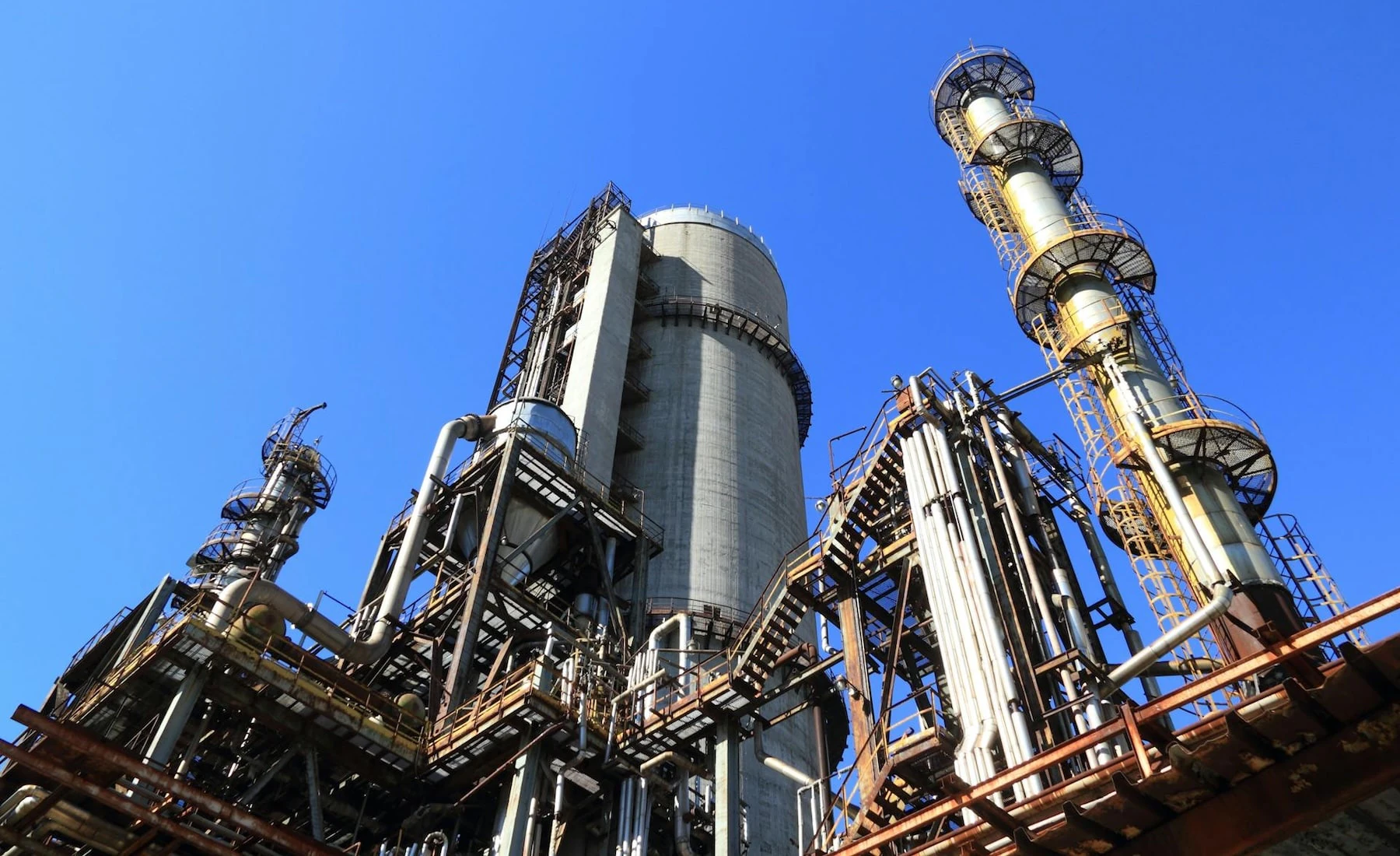
The best locations for wind turbines are not simply the windiest. A viable site combines a productive and predictable wind resource with grid capacity, buildable ground or seabed,…
Read article
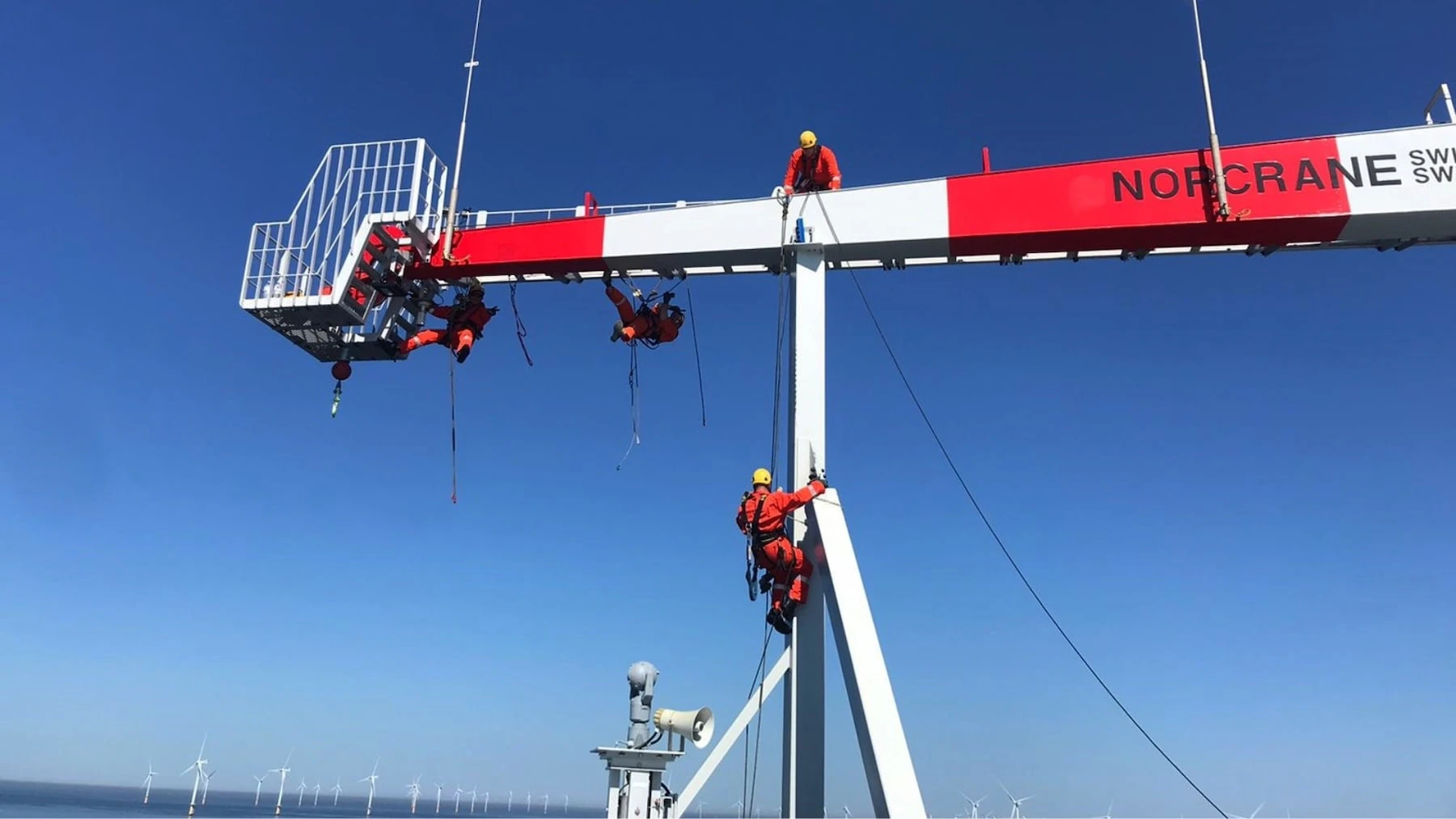
Predictive maintenance uses evidence about an asset’s current condition to help decide what should be inspected, monitored or repaired next. For wind turbines, that evidence can combine…
Read article
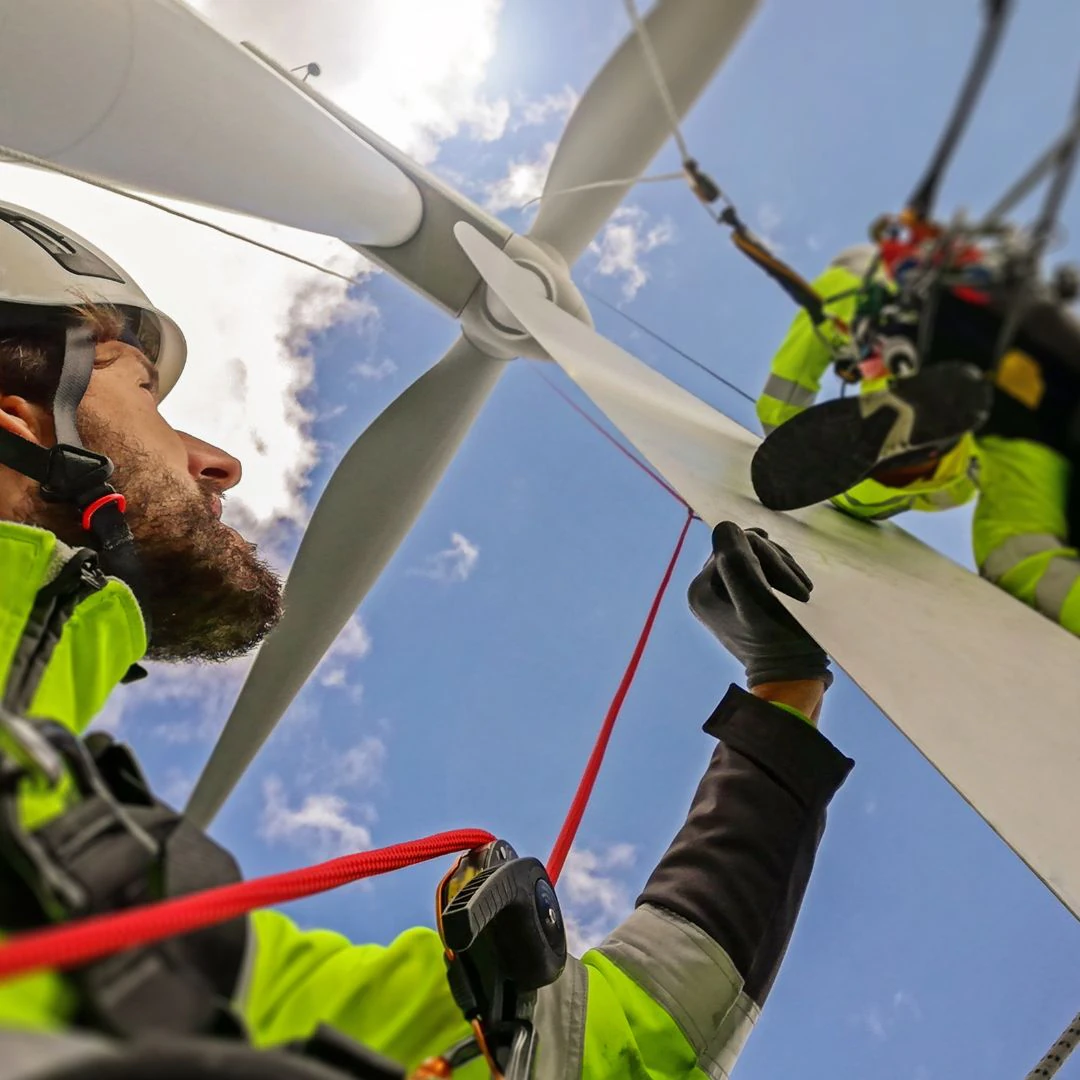
Wind turbine blades are exposed to some of the most extreme working conditions in the energy sector. Rotating at high speeds and facing constant environmental stress, they’re vulnerable to…
Read article
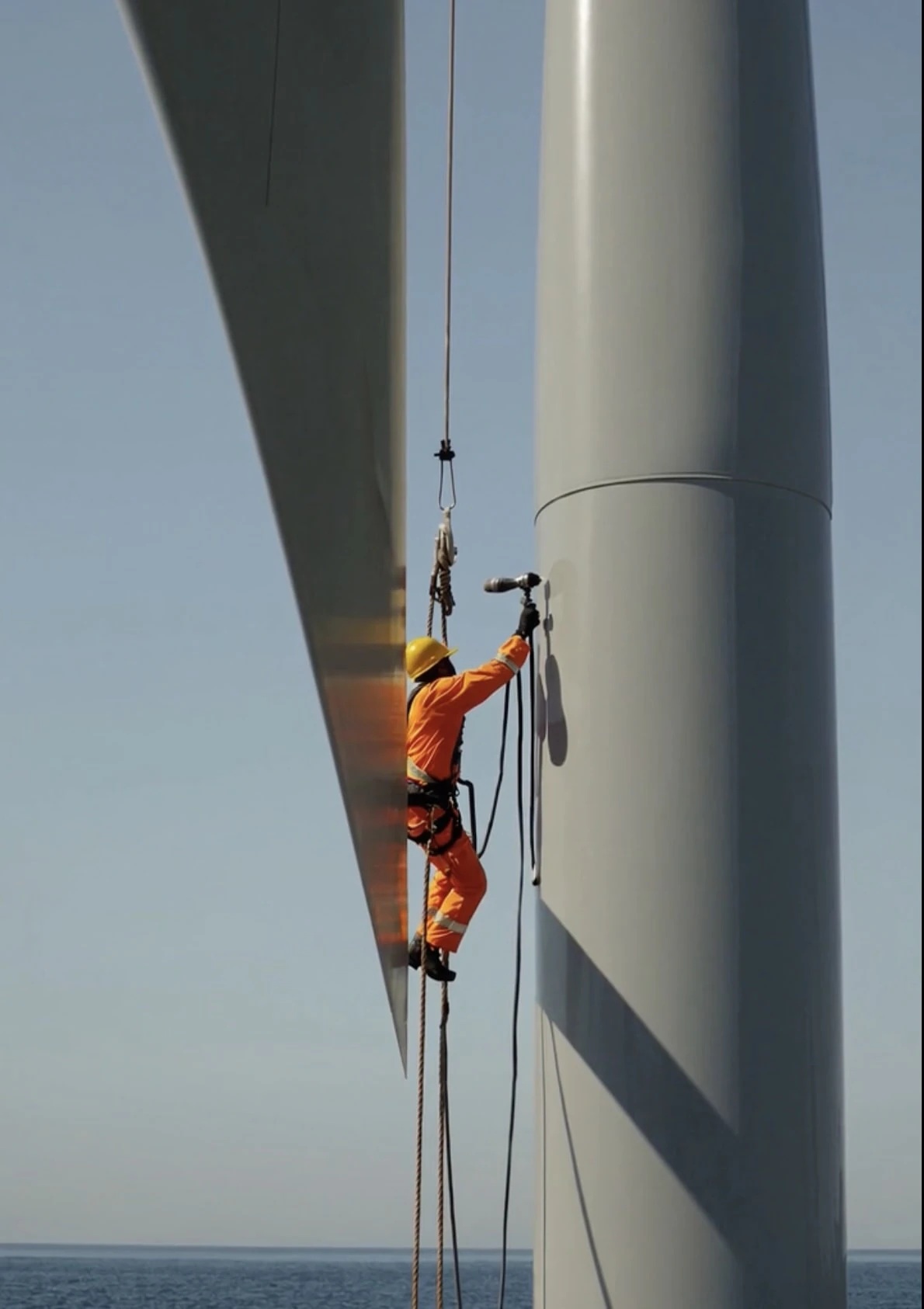
Gearboxes are at the heart of wind turbines, converting rotational energy from rotor blades into electrical energy. Despite their robust construction, gearboxes are frequently vulnerable to…
Read article
Wind turbines operate under repeated mechanical loads and changing weather. Wind, lightning, temperature, humidity and, offshore, saltwater exposure can gradually affect blades, the…
Read article
Wind turbines operate under repeated mechanical and environmental loads, including wind, rain, temperature changes and lightning exposure. Rotor blades convert wind into energy, so erosion,…
Read article
Offshore rope access personnel need role-appropriate physical capacity, valid project medical clearance, enough varied food and water, and protected opportunities to rest. The practical…
Read article
The main rope access techniques used on wind turbines are controlled twin-rope descent and ascent, work positioning, changeovers around planned rope-path features, aid climbing or…
Read article
IRATA and SPRAT are separate industrial rope access certification systems, not interchangeable versions of one qualification. Both assess technicians through three levels and both issue…
Read article
Rope access equipment is a coordinated personal fall-protection and work-positioning system, not a bag of climbing hardware. A typical industrial setup supports the technician on a working…
Read article
A wind turbine blade repair technician is a composite-trade worker who inspects and repairs glass-fibre-reinforced blade sections under a defined work instruction. The role combines…
Read article
Rope access can put an inspection team beside a high weld, flange, tower section or other difficult location, but it does not decide which non-destructive testing (NDT) method is valid. VT…
Read article
An onshore storage tank inspection by rope access should produce traceable evidence about the accessible external shell, roof, welds, attachments, coating condition and selected…
Read article
Rope access specialists work where traditional access methods are inefficient or impossible. From wind turbines and industrial structures to offshore platforms, this profession demands…
Read article
Offshore and onshore rope access are not interchangeable work settings. Both can involve inspection, maintenance, repair and other work at height, but the project environment determines…
Read article
Choosing between rope access and scaffolding should start with the work, not with a preference for one system. Review the task duration and repetition, number of workers and trades,…
Read article
Rope access is now an established way to reach difficult industrial work positions in energy, oil and gas, construction and infrastructure maintenance. Its future is less about replacing…
Read article
Becoming a rope access team lead is not simply about climbing higher. It means taking responsibility for the people, the work method and the decisions that keep an industrial job…
Read article
Preparing for an IRATA assessment is about more than memorising knots. It’s a mix of solid fundamentals, disciplined practice, documented experience, and the right mindset under pressure.…
Read article
Rope access can provide controlled access with a small work footprint, but only when the access system, work method and rescue arrangements match the site. The recurring failures are…
Read article
An offshore rope access career is built from more than time on ropes. You need progressive IRATA training, a current logbook, task competence, offshore readiness and the ability to work…
Read article
Onshore refineries and processing plants and offshore platforms all contain difficult access, hazardous energy and tightly controlled work areas. Rope access is one option for maintenance,…
Read article
Offshore rope access combines work at height with marine weather, moving assets, remote locations and limited immediate assistance. A safe operation therefore depends on planned controls,…
Read article
Being a rope access technician is not simply about hanging from ropes or knowing the equipment. The work combines controlled movement, pre-use checks, task competence, communication and the…
Read article
An IRATA Level 3 rope access safety supervisor is responsible for the safety of rope access technicians under their supervision. The role covers site-appropriate rope access methods, hazard…
Read article
The Global Wind Organisation (GWO) develops training standards for safety and technical competence in the wind industry. After completing a module with a GWO-certified training provider,…
Read article
There is no single certificate package for every offshore rope access job. The usual starting point is IRATA rope access certification, followed by the safety, survival, medical and…
Read article
IRATA certification records competence in industrial rope access at one of three technician levels. Level 1 performs a defined range of tasks under Level 3 supervision, Level 2 adds more…
Read article
IRATA-certified technicians differ in practice because they work inside a defined rope access system. The useful distinction is not the badge alone, but the behaviours a project team can…
Read article
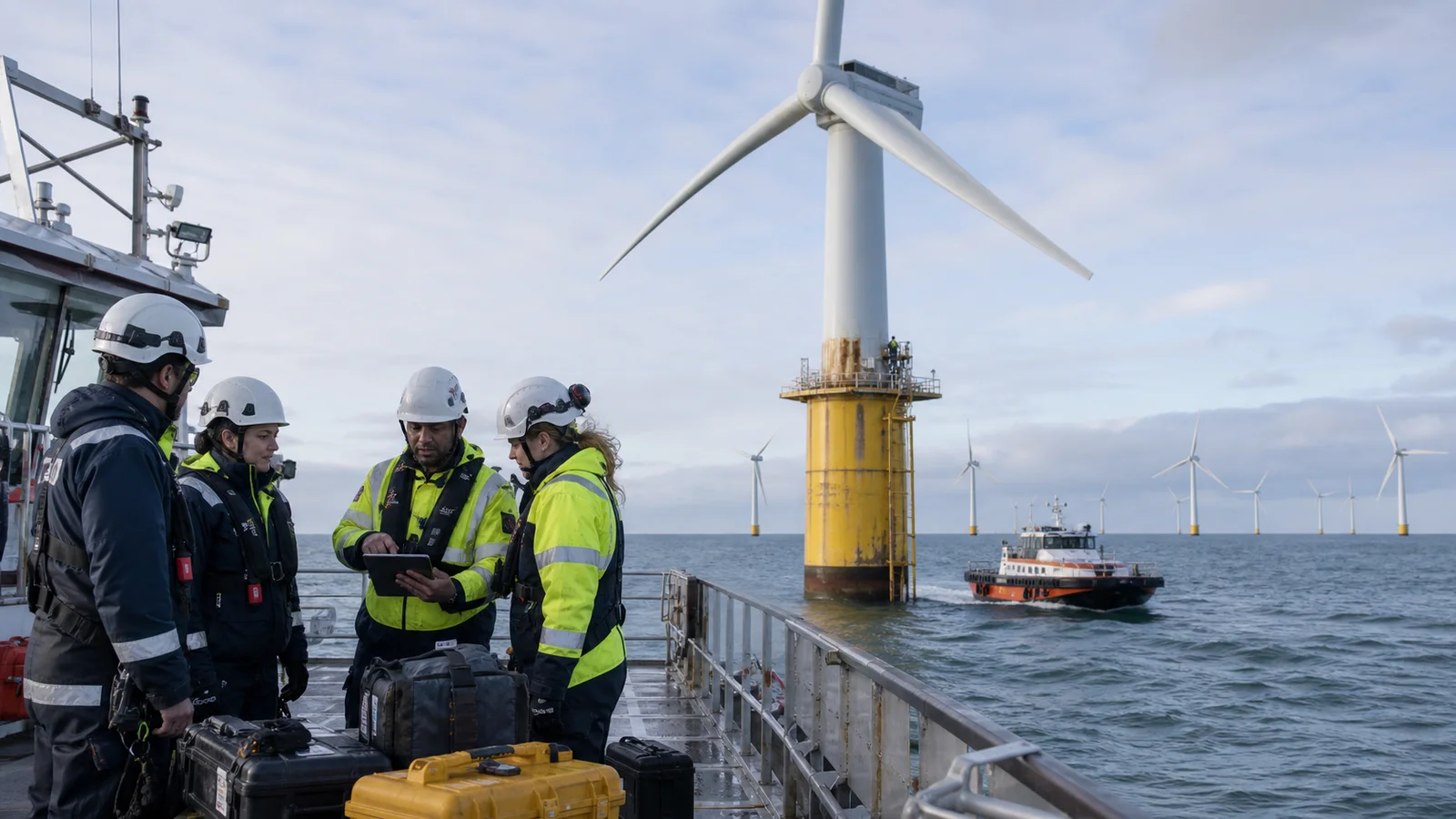
Offshore and onshore wind turbines share many maintenance tasks: inspection, lubrication, bolt checks, electrical testing, troubleshooting, blade repair and major-component work. The…
Read article
Offshore wind resources can be strong and relatively consistent because open water usually presents less surface drag than forests, buildings or complex terrain, while large weather systems…
Read article
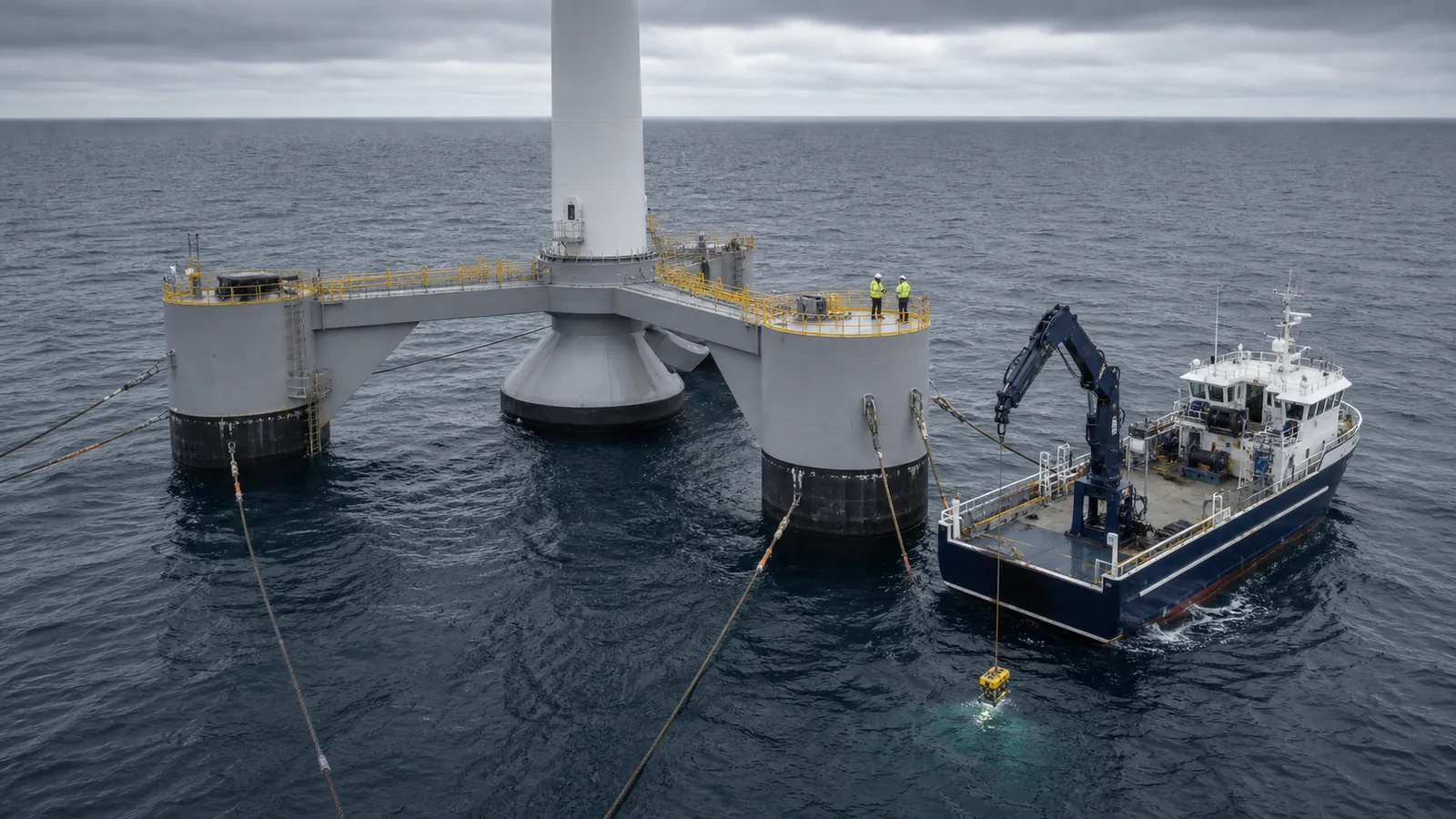
Floating offshore wind O&M is a systems task: technicians still inspect and service the turbine above water, but the worksite moves, while moorings and dynamic cables connect that moving…
Read article
Baltic Sea offshore wind O&M should be planned as a regional, weather-led system rather than a list of turbine service tasks. Port access, winter conditions, marine coordination, corrosion,…
Read article
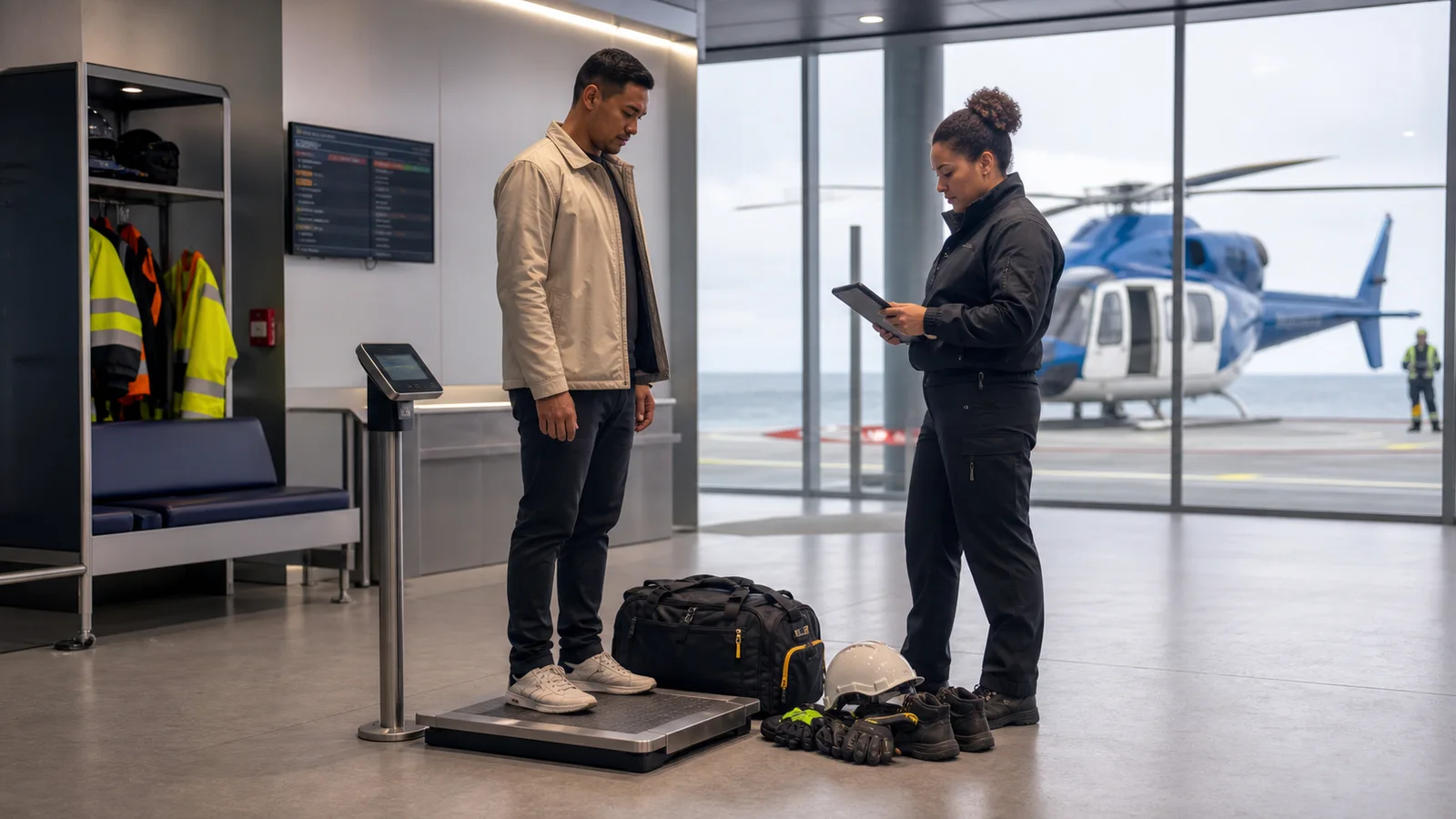
As at 5 August 2026, the premise is still current: OEUK’s Safe Weight Limit Policy is scheduled to become mandatory on 1 November 2026. For covered UK offshore installations, a worker whose…
Read article
CTV, SOV and walk-to-work should not be compared as three interchangeable vessel choices. A crew transfer vessel (CTV) is usually a day-trip vessel and transfer arrangement; a service…
Read article
On a fixed-bottom offshore wind turbine, splash-zone corrosion affects steel that is repeatedly wetted by waves, spray or tidal movement and then exposed to air. A reliable response is…
Read article
An offshore wind maintenance campaign is ready to mobilise when every task has a decision-ready work pack: a defined maintenance objective, access and transfer method, environmental limits,…
Read article
An above-water offshore wind foundation inspection checks the accessible condition of the transition piece, boat landing, secondary steel, welds, coatings and access systems. The objective…
Read article
The certificate commonly called an OGUK medical is now an OEUK medical, following Oil & Gas UK’s change to Offshore Energies UK. It assesses medical fitness for offshore work under the OEUK…
Read article
Offshore energy structures operate in some of the harshest environments on the planet. Constantly battered by saltwater, wind, UV radiation, and temperature swings, these installations…
Read article
An industrial steel coating inspection checklist should follow the work in sequence: confirm the specification, release the prepared steel, verify climate and application controls, measure…
Read article
Gridinta delivered two wind turbine access system projects focused on JASO elevator repair, retrofit, ladder alignment, and inspection works across wind farms in Finland and Latvia.…
Read article
Industrial assets face wear from corrosion, vibration, temperature, pressure, cycles and their operating environment. A failure can interrupt production or a project and create safety,…
Read article
Protective coatings form a barrier between steel and water, oxygen, salts, chemicals and other exposure. They can slow corrosion and reduce wear on steel structures, pipelines, tanks and…
Read article
Non-destructive testing (NDT) examines materials, welds and components without intentionally damaging the item being tested. In energy infrastructure, it is used to investigate defined…
Read article
We redesigned the Gridinta website so clients can reach the right service faster, whether they are planning wind-turbine maintenance, industrial inspection, work at height, welding or…
Read article
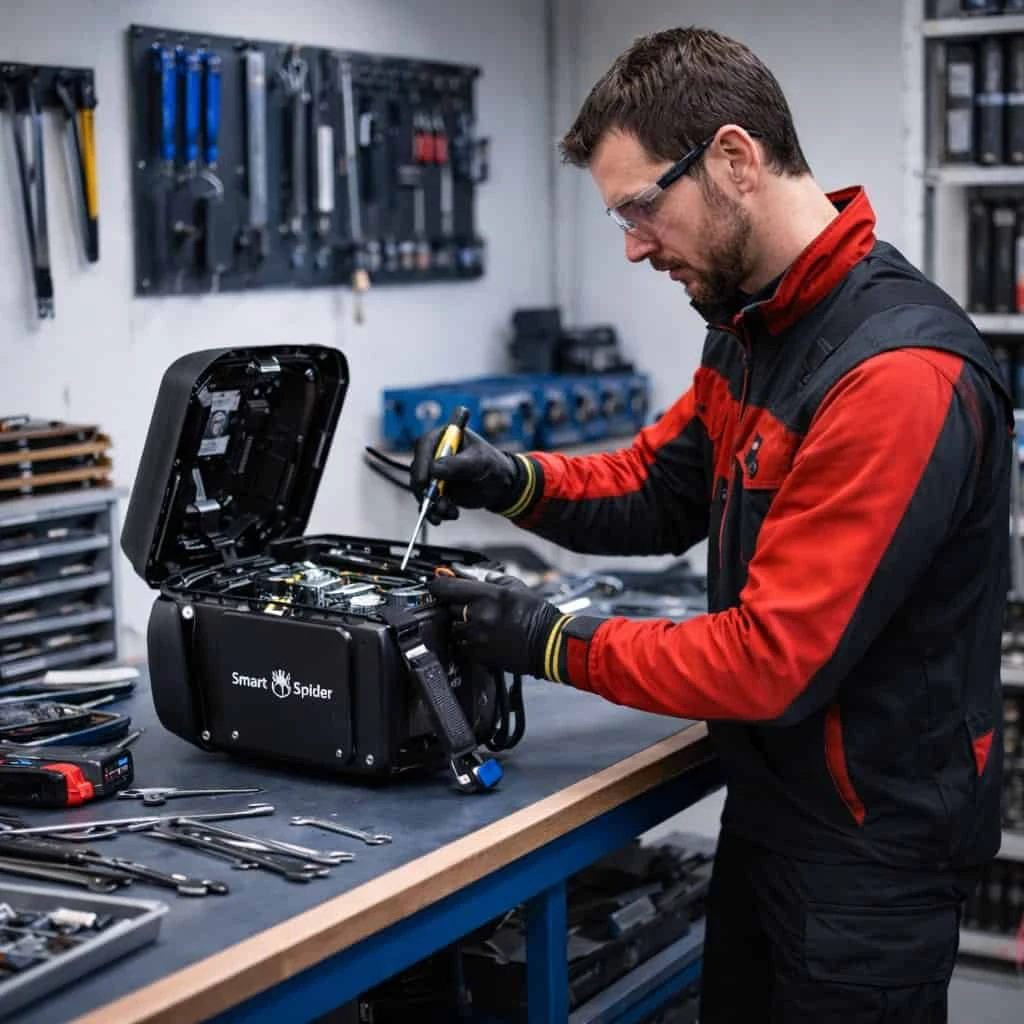
Gridinta is expanding its offering with Smart Spider power ascenders. Alongside supplying the devices, we also provide inspection, preventive maintenance, and repair services to help rope…
Read article
2025 marked another significant milestone in Gridinta’s development as a reliable partner in wind energy and rope access services. Through consistent teamwork, operational excellence, and…
Read article
Gridinta has recently expanded its international presence by opening a new branch in Turkey. This step marks an important milestone in the company’s growth and strengthens its ability to…
Read article
To close the year, Gridinta together with our partner Solwinda organised a Christmas event bringing colleagues together from offshore wind projects and onshore wind projects. Team members…
Read article
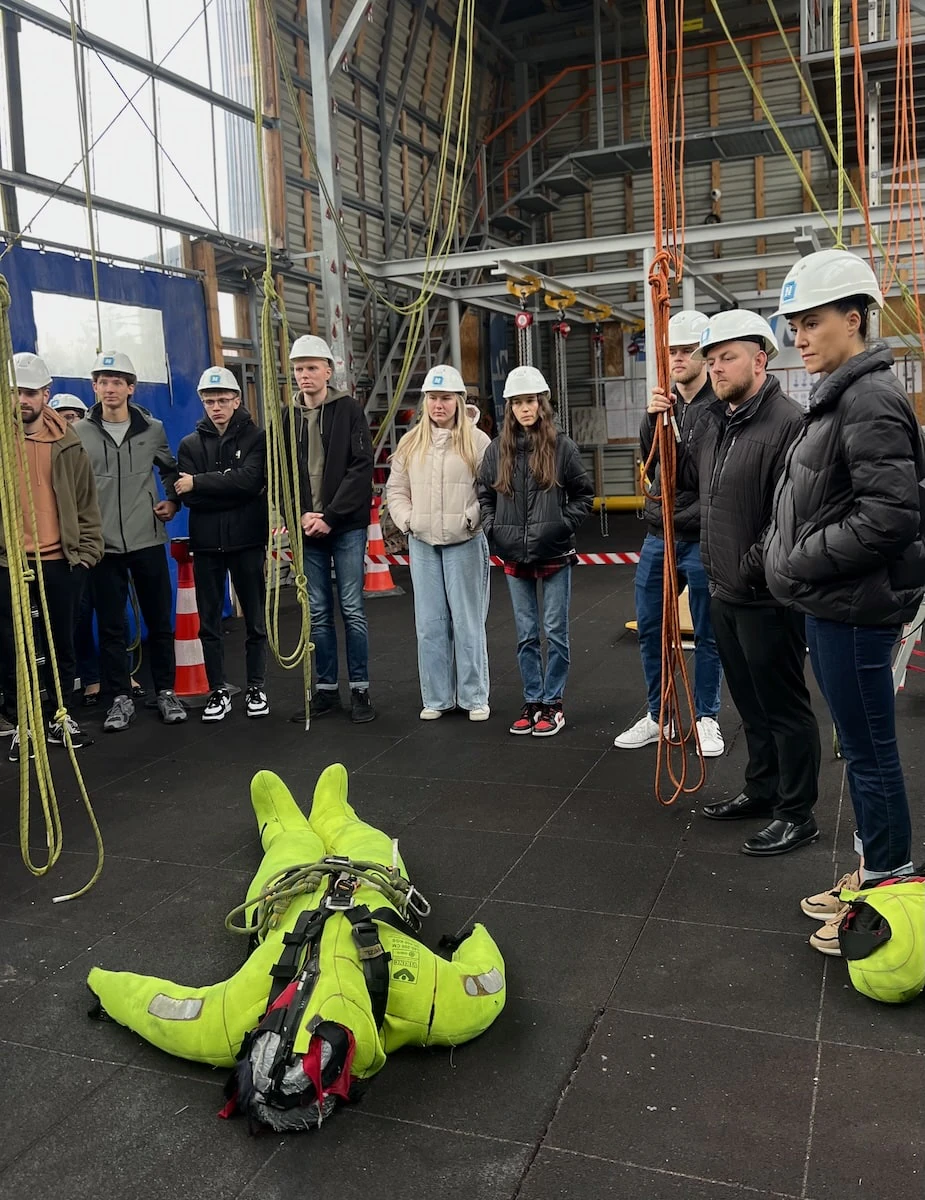
Gridinta, in partnership with Solwinda renewable energy company and Novikontas, joined forces with Klaipėdos valstybinė kolegija (KVK) to give students a genuine inside look at wind-farm…
Read article
In rope access and offshore environments, small gaps can create big risks. Internal audits are how we find those gaps before they become incidents, keeping our people safe and our work…
Read article
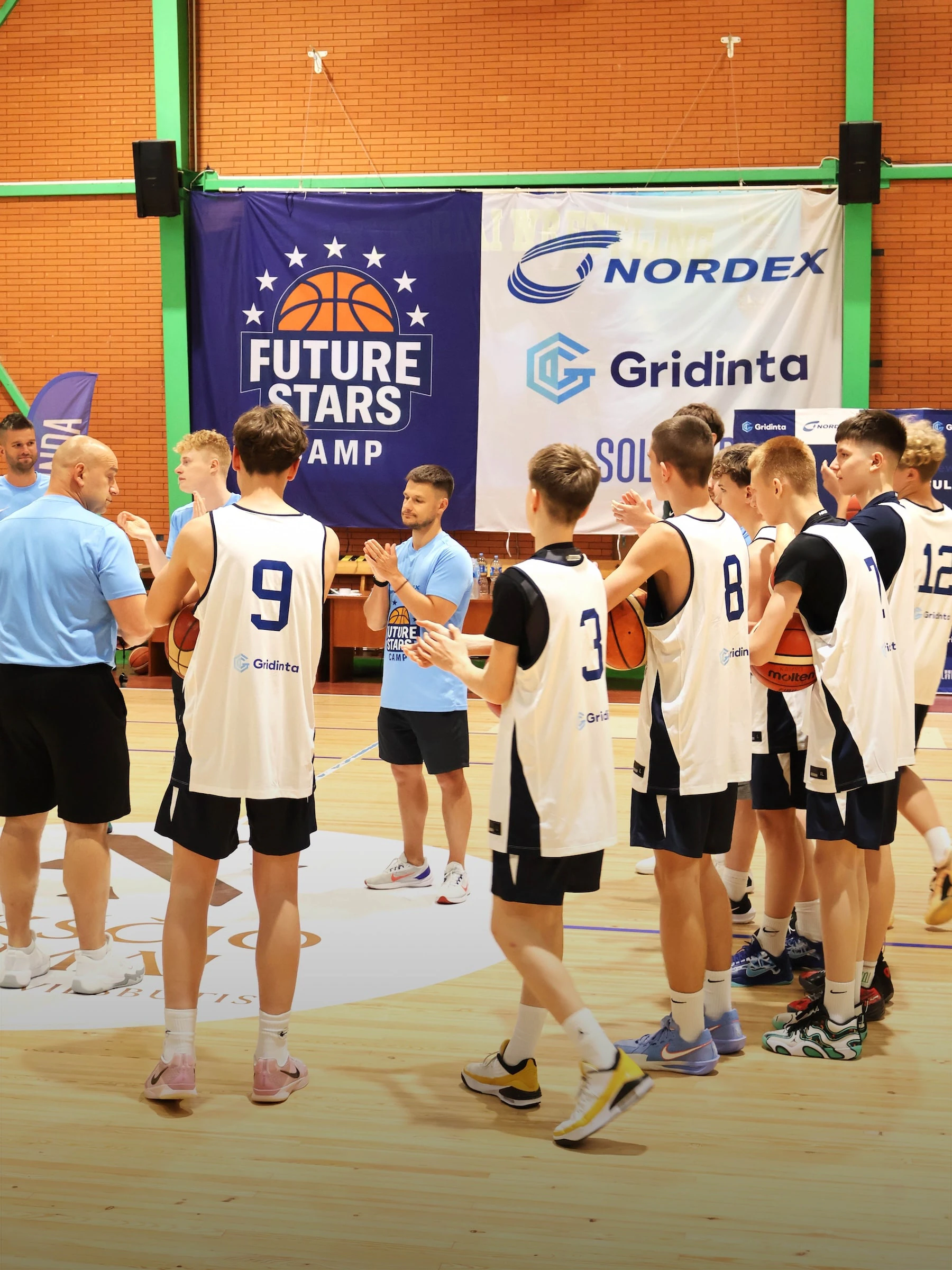
At Gridinta, we believe that building strong foundations—whether on wind turbines or in communities—starts with investment in the next generation. That’s why we were proud to sponsor the…
Read article
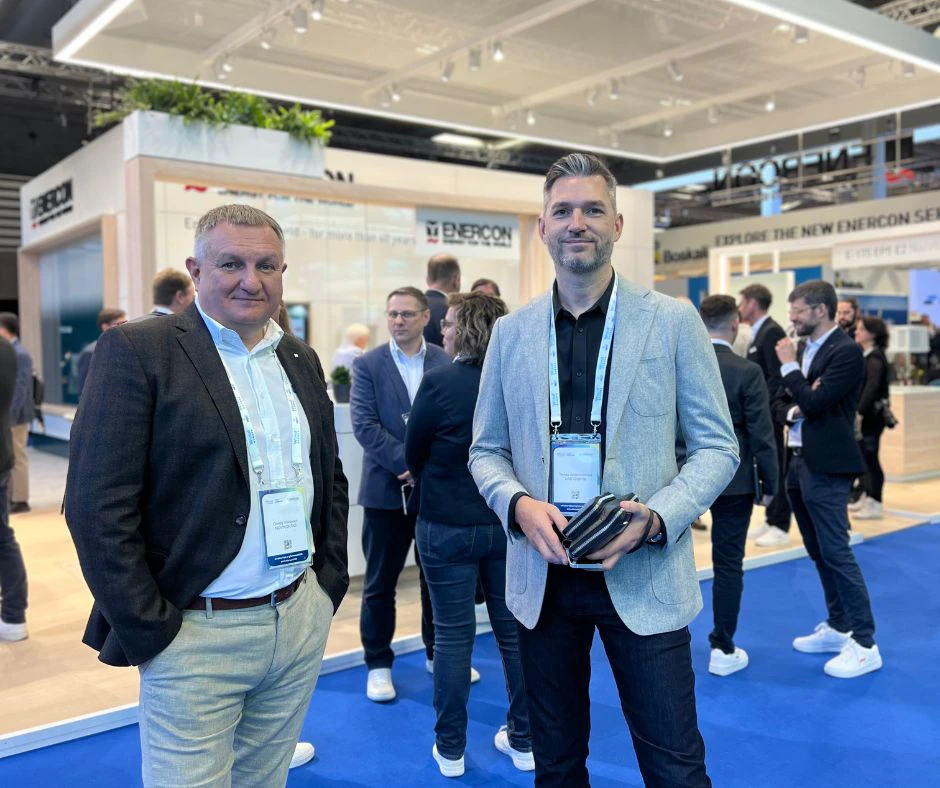
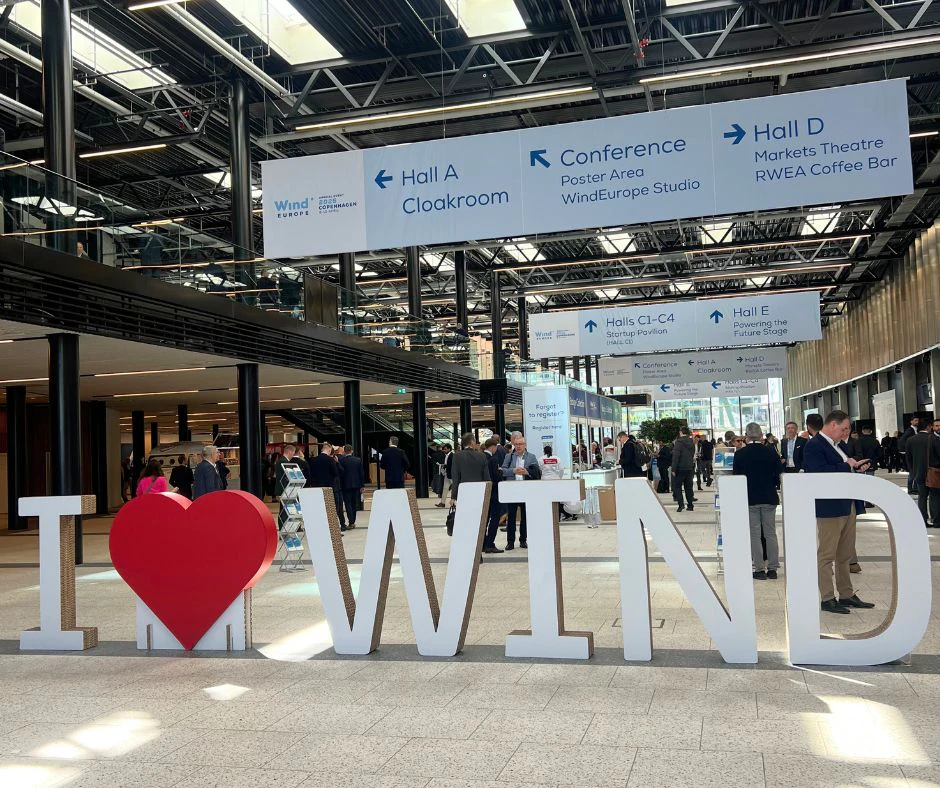
From April 8–10, Gridinta participated in WindEurope 2025 in Copenhagen—one of the most influential annual events in the European wind energy calendar. This international gathering brought…
Read article