
Most Common Failures in Wind Turbines & How to Avoid them
Wind turbines are built to run for decades, but even the best-managed wind farms experience technical failures over time. Understanding where and why these failures happen helps owners reduce downtime, protect their investment, and plan maintenance budgets more accurately.
This article looks at the most common failures across modern wind turbines, why they occur, and how timely inspections and rope-access maintenance can significantly extend the lifetime of critical components. The final section addresses failures unique to offshore wind farms, where harsh environmental conditions increase both risk and repair costs.
Wind Turbine Gearbox Failures
Gearboxes are exposed to heavy, fluctuating loads and depend on suitable lubrication, alignment, cooling and bearing condition. Risk varies with the turbine design, operating history and site environment.
Gearbox failures typically arise from:
– Bearing degradation
– Lubrication breakdown or contamination
– Misalignment under long-term cyclic loads
These issues usually develop gradually. Early changes in vibration trends, temperature spikes or oil-analysis data can indicate developing damage. Investigating common onshore wind turbine gearbox problems early may allow a more targeted response before the condition progresses.
Rotor Blade Damage
Rotor blades are exposed to constant wind impact, debris, UV radiation and storms. Although made from advanced composites, they still experience progressive degradation that affects aerodynamic efficiency.
Typical forms of blade deterioration include:
– Leading-edge erosion
– Surface cracking from long-term stress
– Lightning-related damage
Many blade problems begin as small indications that can grow under repeated loading or environmental exposure. Rope-access rotor blade inspections can document their location and extent so operators can plan engineering review, repair or monitoring before the condition becomes more disruptive.
Generator and Electrical Component Issues
Electrical and control faults may be abrupt, but some develop through heat, insulation degradation, sensor drift or cooling limitations. Generators, converters and control systems can stop a turbine when protection logic detects a fault, so alarms and event history are important evidence.
Common contributors include sensor malfunction, converter instability, loose or degraded connections and overheating. Electrical tests, event-log review and thermography where appropriate can provide evidence for troubleshooting; they do not eliminate the need for safe isolation or specialist repair.
Structural and Tower-Related Problems
Structural failures are less frequent but carry high safety and operational risk. Towers and foundations face long-term fatigue, corrosion and environmental loads. Over the years, this can lead to loosening bolts, coating deterioration, surface corrosion or visible cracking.
Suitable non-destructive testing (NDT), bolt and connection checks, and scheduled tower inspections can provide evidence of developing defects or deterioration in towers, foundations and connections. Findings need to be assessed against the structure, loads and applicable acceptance criteria.
How Operators Reduce Failure Risk
A practical programme starts with a baseline for each turbine and tracks changes in vibration, temperature, alarms, oil condition, inspection findings and operating events. The baseline should be interpreted with turbine load, weather, curtailment and maintenance history rather than treated as a universal pass or fail threshold.
When a change is detected, the next step is a targeted inspection or test that can distinguish a developing defect from a sensor, operating or maintenance issue. Corrective work should then be verified and the condition record updated so the owner can prioritize the next intervention. That record-keeping discipline extends to client-facing tools too: Gridinta’s website rebuild made maintenance guidance easier to reach before the next decision.
Failures Specific to Offshore Wind Turbines
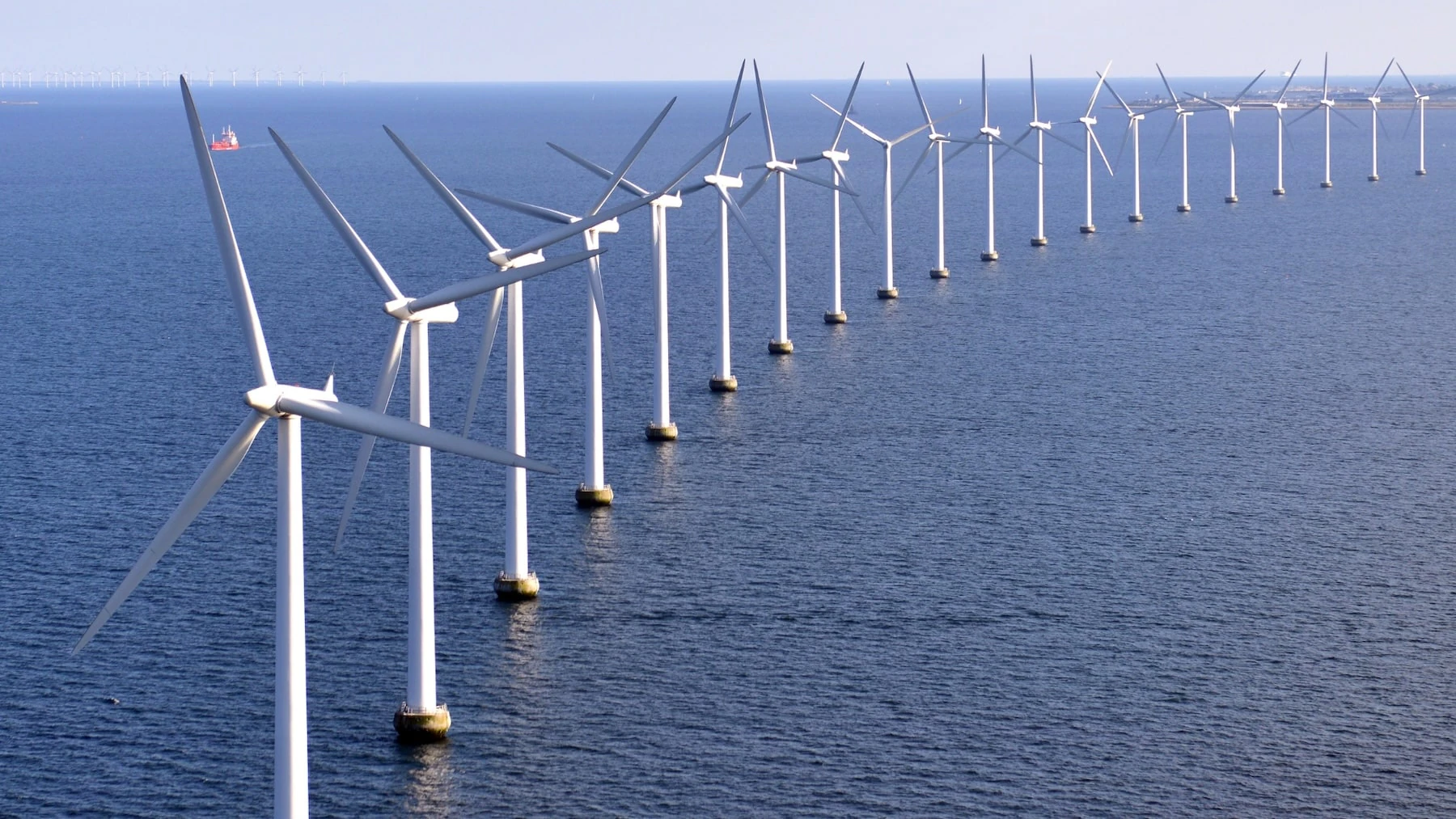
Offshore turbines face the same basic mechanical and electrical failure modes as onshore assets, but marine exposure adds salt, humidity, wave and vessel-access constraints. These conditions can accelerate corrosion and complicate inspection, repair and replacement planning; they should not be treated as an interchangeable extension of an onshore programme.
Key offshore-specific issues include:
– Corrosion on towers, platforms, ladders and external hardware
– Marine-growth accumulation that increases loading and complicates access
– Faster coating and paint degradation due to salt and constant moisture
Offshore electrical systems also face higher stress on array cables and export cables, where movement of the seabed or wave-induced forces can cause insulation damage or connection faults.
Because access to offshore turbines is limited by vessel schedules and weather windows, inspection and repair scopes must account for mobilization, safe transfer, weather limits, spares and contingency time. Rope access may be suitable for selected tasks, but the access method and inspection interval must be defined by the asset, risk and approved work scope. Gridinta’s offshore wind farm maintenance services are scoped separately for marine access and environmental constraints.
Summary for Wind Farms Owners
Across both onshore and offshore wind farms, the most common failures involve gearboxes, rotor blades, generators, electrical systems and tower structures. Offshore turbines experience additional risks driven by corrosive saltwater, marine growth and extreme weather conditions.
Proactive inspection, condition monitoring and timely corrective work can help owners prioritize risk and reduce the likelihood that a developing issue becomes a larger outage. Results depend on the turbine, defect, work quality, operating conditions and decisions made after the findings.
Avoid Failures in Your Wind Turbines
Regular turbine inspections and timely maintenance can help identify issues while response options remain available. Gridinta’s rope-access technicians support selected work on blades, gearboxes, towers and offshore structures; the inspection and maintenance scope should be tailored to the asset, environment and access plan. Contact us to discuss a wind farm inspection programme.