
Onshore vs Offshore Rope Access Work: Practical Comparison
Offshore and onshore rope access are not interchangeable work settings. Both can involve inspection, maintenance, repair and other work at height, but the project environment determines access, logistics, controls, training and daily patterns.
A useful comparison starts with the actual assignment, competence matrix and working pattern. Neither environment is automatically easier or better; each asks for a different combination of preparation and personal fit.
Offshore Work: Marine Access and Remote Operations
Offshore work takes place beyond the shoreline on fixed or floating wind assets, oil and gas installations, platforms and other marine structures. Project examples include the inspection and maintenance scopes described in Gridinta’s offshore oil and gas services and offshore wind farm maintenance pages. The project scope and operator’s rules decide what technicians actually do.
Projects and access offshore:
- Offshore rope access scopes can include inspection, corrosion control, coating, repair, maintenance and installation support.
- Vessel transfer, helicopter travel, transfer systems, lifting operations or other access methods may be part of mobilisation.
- Weather windows, sea state, movement, limited storage and distance from shore affect tools, materials and rescue equipment.
- Emergency response, communications and personnel tracking must work within a remote-site plan.
The work pattern is set by the mobilisation plan and operator. Some assignments use rotations or extended periods away from home; others are shorter campaigns. Shift length, rest arrangements and accommodation are site decisions, not universal features of every offshore role.
Hazards and Controls Offshore
Offshore controls must address work at height, dropped objects, moving vessels or platforms, weather, process or electrical energy, transfer, confined areas and remote rescue. A task risk assessment, method statement, permit system, equipment inspection, weather limit, communication plan and site-specific rescue arrangement should be aligned before work starts.
Onshore Work: Land-Based Projects and Site Logistics
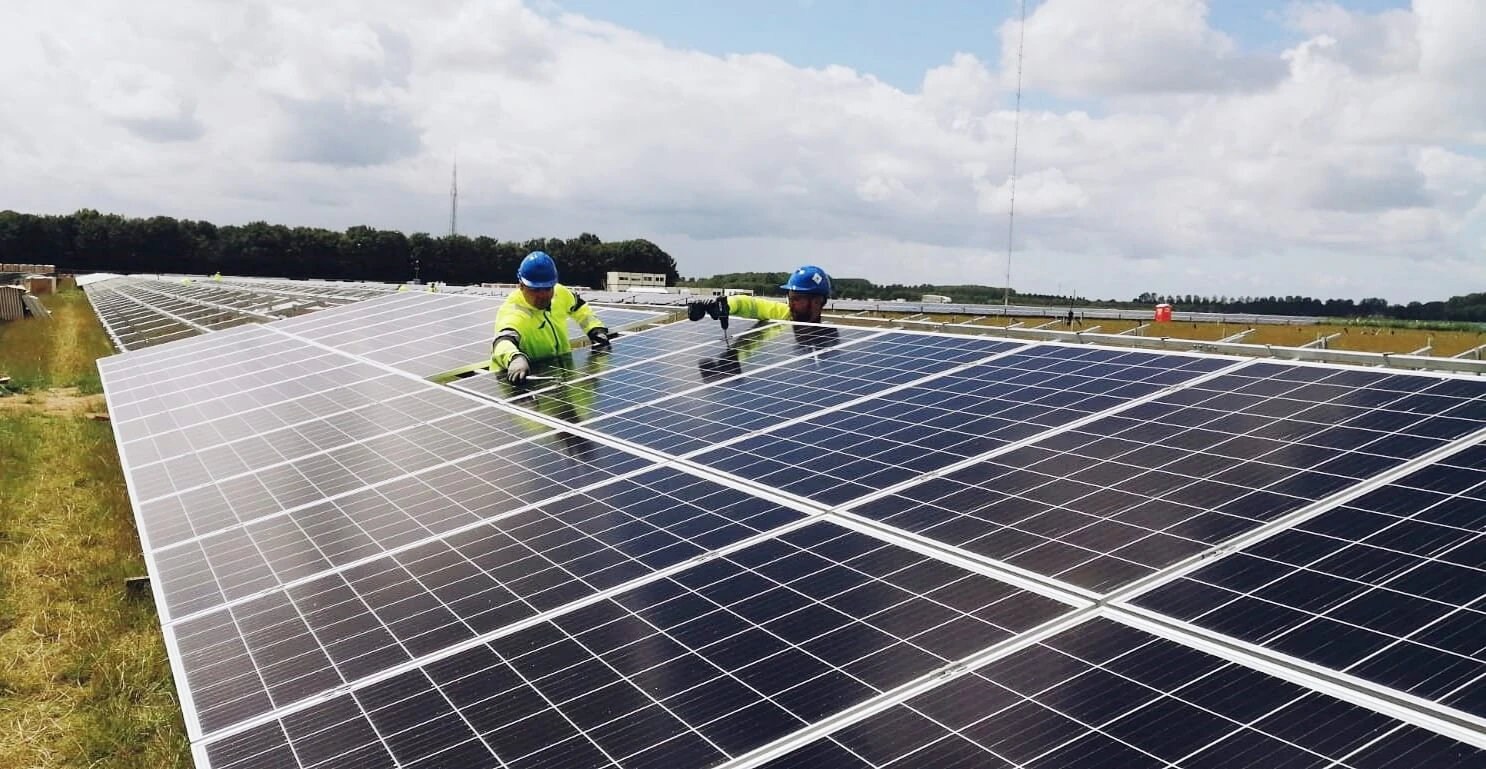
Onshore work takes place at industrial plants, refineries, construction sites, bridges, utilities and land-based wind farms. Gridinta’s onshore oil and gas services and onshore wind farm maintenance pages illustrate different land-based contexts. The work may still be remote or highly controlled even though the site is on land.
Projects and access onshore:
- Onshore scopes can include structural inspection, coating, welding, fitting, electrical work, maintenance, installation and repair.
- Access may use rope systems, scaffolding, mobile elevating work platforms, cranes or ordinary walk-in routes.
- Personnel and materials may arrive by road, with access controlled by the site owner or principal contractor.
- Travel between sites, local accommodation and daily commuting vary by the project and employer.
There is no marine transfer requirement, but an onshore site can still have restricted access, multiple contractors, complex permits, plant energy, vehicles, hot work, confined spaces and other trades working nearby.
Hazards and Controls Onshore
Onshore work avoids marine transfer, but it does not remove work-at-height or industrial risk. Controls are set by the site risk assessment and local rules and may include induction, permits, isolation or lockout procedures, exclusion zones, traffic management, rescue planning, equipment inspection, toolbox talks and supervision.
Training and Medical Requirements Are Not Interchangeable
Both environments require competence for the actual task. If industrial rope access is used, the employer may require current IRATA certification; a trade qualification, documented experience, rescue competence, site induction and task-specific approval remain separate. GWO training records wind-industry modules and does not replace rope-access or trade competence.
For offshore work, wind roles may specify role-appropriate GWO modules, including Sea Survival or transfer-related training, while oil-and-gas roles may specify OPITO BOSIET or FOET. An accepted offshore medical, such as an OEUK medical in the scope where it is recognised, may also be required. The offshore rope access course guide explains why the package must be checked against the assignment.
Onshore work does not automatically require offshore survival training or an OEUK medical. It may still require occupational-health clearance, work-at-height training, trade certification, local safety training or client approval. Onshore wind work can have GWO or other operator requirements; the employer and site matrix decide what applies.
Which Environment May Suit You?
Offshore work may suit a technician who is comfortable with remote operations, marine travel, shared accommodation, structured procedures, weather-related changes and close coordination with a small project crew. It requires patience with mobilisation constraints and discipline when the site is far from shore.
- You are comfortable planning around weather, transfer and limited resupply.
- You prefer a clearly structured site routine and shared responsibility for remote emergency response.
- You can maintain focus while living and working within the operator’s offshore arrangements.
Onshore work may suit a technician who prefers land-based access, changing sites, direct contact with shore-based support and a wider mix of industrial environments. It can still involve travel, difficult access, demanding work at height and strict client controls.
- You prefer road-based logistics and the ability to access land-based support or resupply.
- You value variety across industrial, construction, utility or onshore wind sites.
- You prefer to review each site’s local controls rather than work within a marine mobilisation system.
Many technicians work in both environments over time. The useful comparison is not which one sounds more exciting; it is whether your current qualifications, practical experience, health clearance, travel tolerance and preferred working pattern match the actual assignment.
A Practical Comparison Checklist
- Project: Which asset, sector and work scope will you support?
- Access: Will the task use vessel, helicopter, transfer, road, scaffolding, a platform or rope access?
- Pattern: What travel, shift, accommodation, rest and time-away arrangements does the employer specify?
- Controls: Which hazards, permits, rescue arrangements, environmental limits and site rules govern the work?
- Documents: Which training, medical, trade, induction and validity records will the operator accept?
Choose Based on the Assignment, Not a Promise
Read the scope, competence matrix and mobilisation information before choosing an offshore or onshore path. If your experience matches a current role, review Gridinta’s career information and ask the recruiter to confirm the project’s requirements.