
Common Rope Access Mistakes at Height & How to Avoid
Rope access can provide controlled access with a small work footprint, but only when the access system, work method and rescue arrangements match the site. The recurring failures are practical: an anchor that was not verified, equipment that was not inspected, a change that was not briefed, or a rescue plan that cannot be used from the work position. This guide turns those failure points into checks a team can apply before and during a shift.
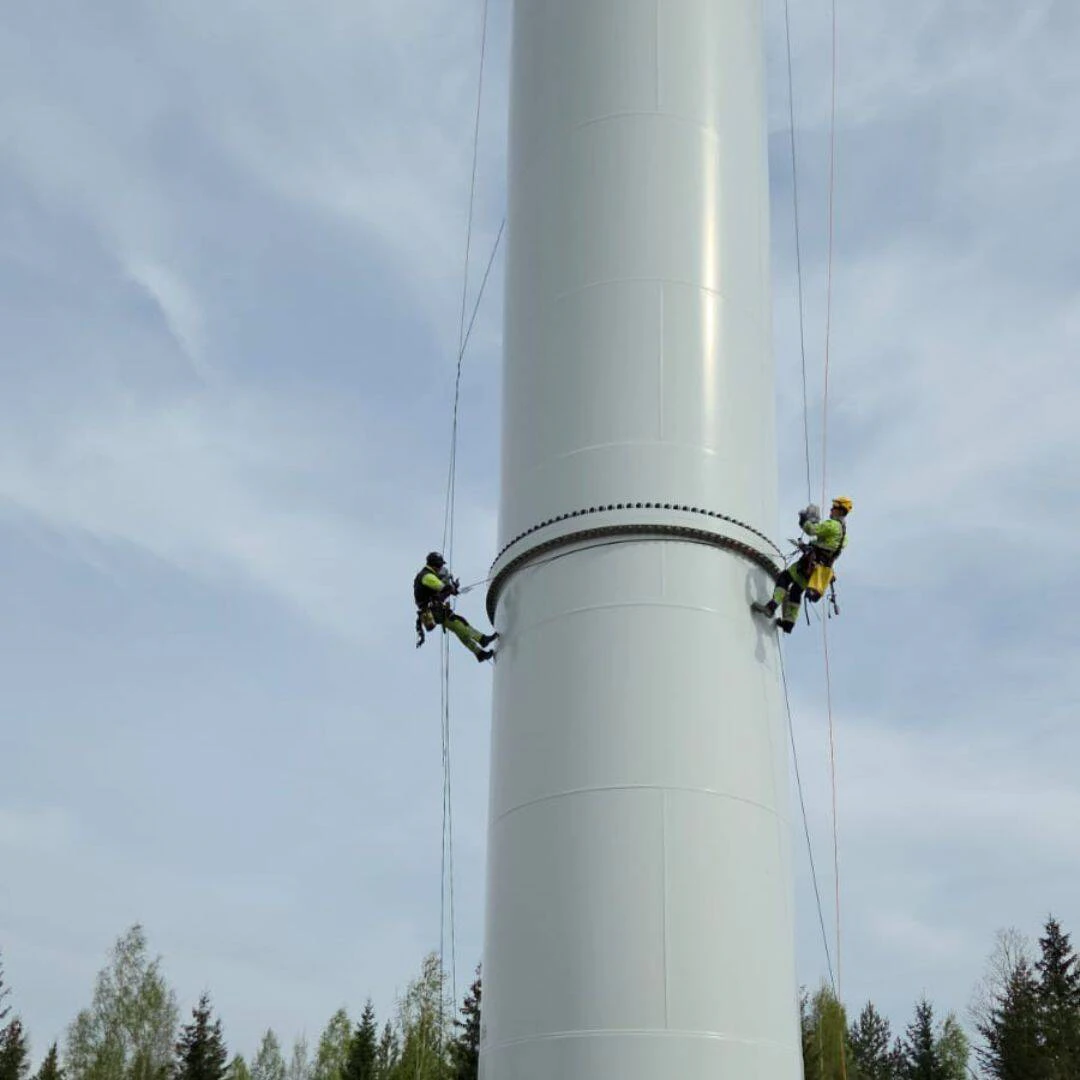
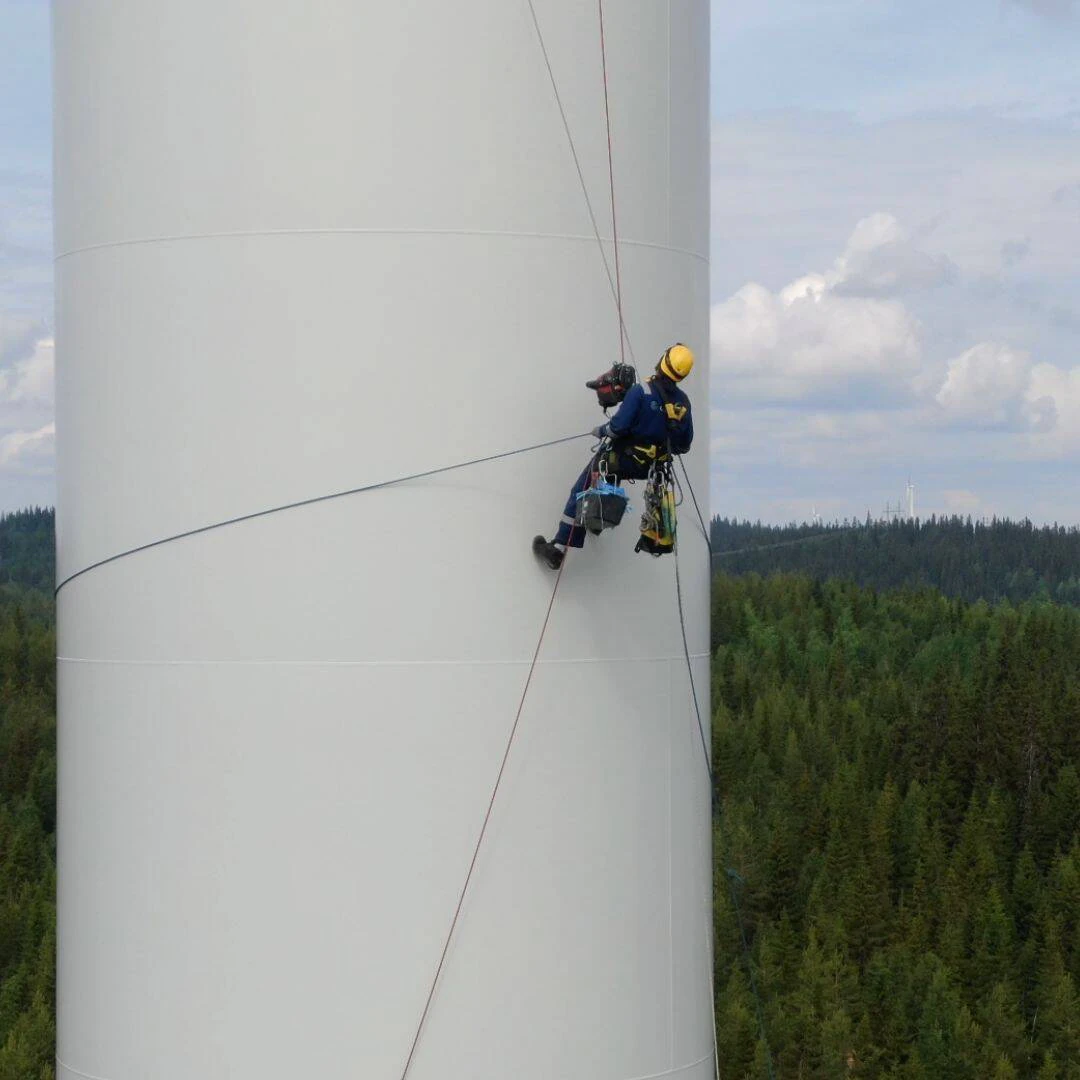
High-risk mistakes at a glance
- Incorrect or under-rated anchor selection, poor edge protection, or no redundancy
- Skipped or superficial equipment checks; using gear past retirement criteria
- Mis-tied knots, short tails, poor rope routing and abrasion control
- Weak task risk assessments and method statements; no change control
- Broken comms at height; no radio checks or lost-comms plan
- Rescue plan that exists on paper only; untrained or unprepared team
- Ignoring weather limits and environmental conditions
- Dropped-object lapses: untethered tools, no secondary retention, no exclusion zones
Rope access anchor selection errors
Anchors are your foundation. Mistakes include relying on unknown structures, loading anchors in the wrong direction, or omitting the independent working and safety arrangements required by the method. Avoidance starts with verifying the structure, understanding expected loads, equalising multi-point systems and protecting ropes at edges. Record anchor decisions in the method statement and re-confirm them whenever the work position changes. A clear scope for professional rope access services should define these controls before mobilisation.
Equipment inspection failures
Rushing pre-use checks or assuming “it was fine yesterday” is a shortcut to trouble. Build a routine: inspect harness stitching, connectors, cams, sheaves, rope sheath and diameter, labels and serials. Quarantine anything suspect. Keep traceability logs and retirement criteria visible. Weekly supervisor audits add another safety net and reinforce the culture of stopping work for equipment concerns.
Knotting and rope management mistakes
Mis-dressed knots, short tails, or crowded connectors can defeat redundancy. Standardise your knot set, insist on partner checks, and manage slack to prevent shock loads. Plan rope paths to avoid sharp edges, hot work, moving machinery, and pinch points. Use rope protectors and redirect where needed. Keep work and backup ropes properly separated to avoid cross-loading.
Risk assessment and method statement gaps
Copy-paste paperwork doesn’t control real risk. Each site needs a task-specific assessment that reflects access routes, work positions, rescue options, exclusion zones, and dropped-object hazards. Brief it in a toolbox talk, assign roles, and use dynamic risk assessment when conditions change. Document variations and stop if the task drifts beyond the agreed method.
Communication protocol failures at height
Wind, machinery and distance can kill radio clarity. Do radio checks at ground and work position, agree standard phrases and hand signals, and set a lost-comms plan before anyone leaves the deck. Keep messages short and unambiguous. A designated controller—often an IRATA Level 3 supervisor—should coordinate movements so two tasks don’t conflict on the same structure.
Rescue preparedness that isn’t ready
Rescue plans must be executable with the people and gear on site. Common pitfalls include unpractised teams, missing components, or plans that require moving the casualty through hazards. Pre-rig where appropriate, stage kits where they’re reachable from the work position, and practise the actual scenarios you may face (pick-offs, edge transfers, confined sections). Assign a rescue lead and a backup, and time your drills.
Weather limits and work suspension
Wind, precipitation, icing, lightning, or vessel motion (offshore) can quickly erase safety margins. Monitor conditions continuously, not just at start-of-shift. Define thresholds in the method statement, identify who can suspend work, and tell the team what happens after a stop: secure the system, account for people and tools, re-assess conditions, and re-brief before restarting. These controls are especially important in offshore rope access safety planning.
Dropped-object prevention
Tools, hardware, and debris become high-energy projectiles at height. Tether handheld tools, add secondary retention to heavier items, close small-parts containers, and set exclusion zones below. Stage materials so nothing can roll or be blown from edges. Inspect tethers and attachment points like you inspect life-support gear.
Fitness, fatigue and rotation pressure
Dehydration, missed meals, poor sleep and long rotations can make attention and coordination harder to maintain. Plan breaks, access to water and task rotation before the shift, and check whether a person is fit to continue after a long suspension or a demanding rescue drill. A lead should treat visible fatigue as a planning issue: pause, reassign or shorten the task rather than relying on an individual to push through it.
Pre-job controls that prevent most errors
- Task-specific risk assessment and a clear, briefed method statement
- Verified anchors, protected rope paths, and independent backups
- Comms checks, rescue plan that’s drilled, and a shared stop-work threshold
Conclusion
A reliable rope access shift is built from visible controls: a task-specific plan, verified anchors and rope paths, inspected equipment, working communications, a practised rescue option, and a clear stop-work trigger. If one of those controls changes, the team should pause and re-assess instead of treating the original paperwork as permission to continue. For what incident data shows about these risks, see how safe rope access is in practice.
Rope Access at Gridinta: safety first, always
Gridinta looks for teams that value precision, responsibility and disciplined safety decisions. Rope access professionals can review our current career opportunities for suitable onshore and offshore roles.