
Top Safety Practices in Offshore Rope Access Operations
Offshore rope access combines work at height with marine weather, moving assets, remote locations and limited immediate assistance. A safe operation therefore depends on planned controls, competent supervision, suitable equipment and a rescue arrangement that matches the actual site and task.
This guide outlines the controls a project team should review before and during an offshore rope access task. The site operator’s procedures, applicable law and task risk assessment remain the governing requirements.
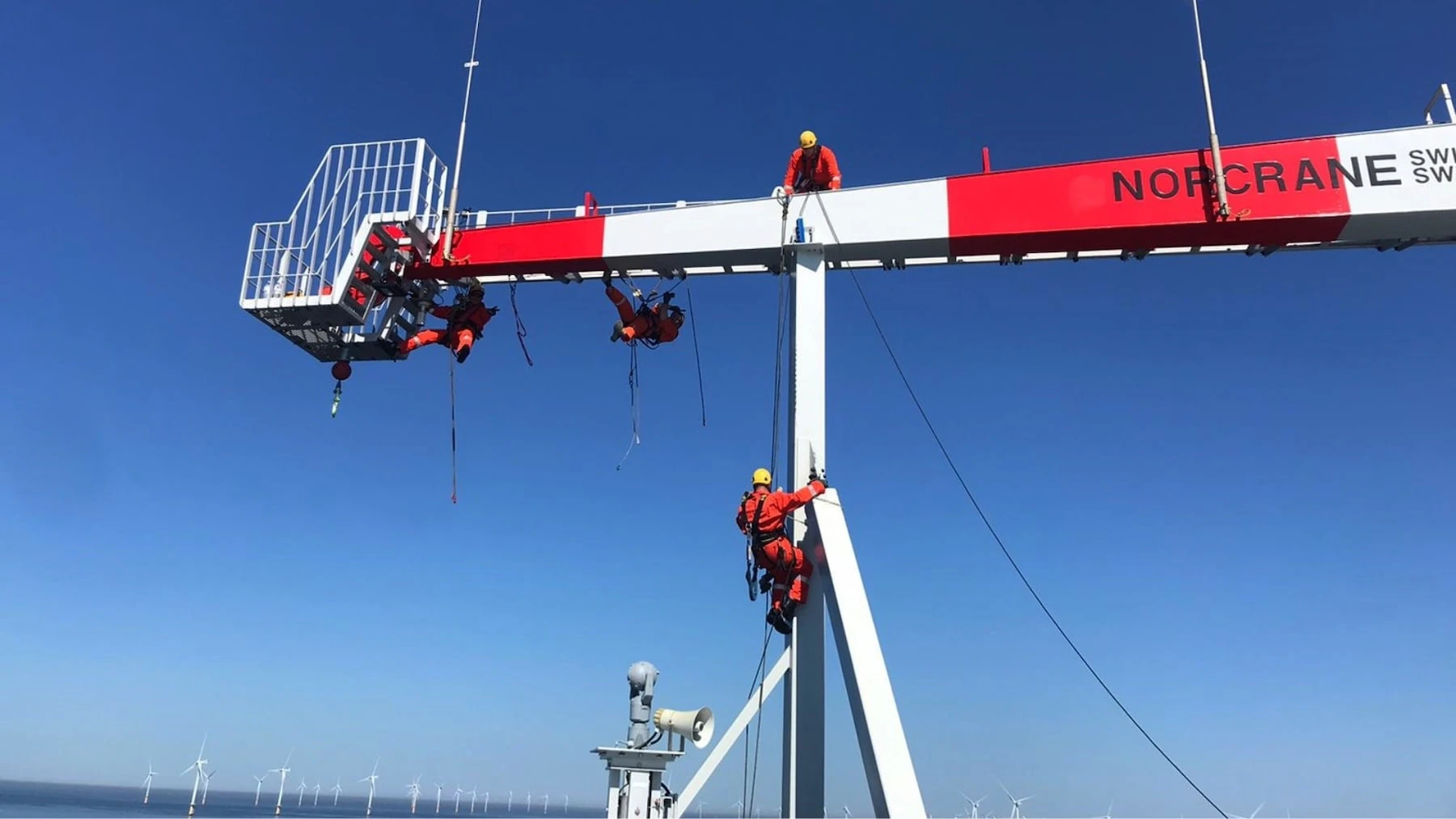
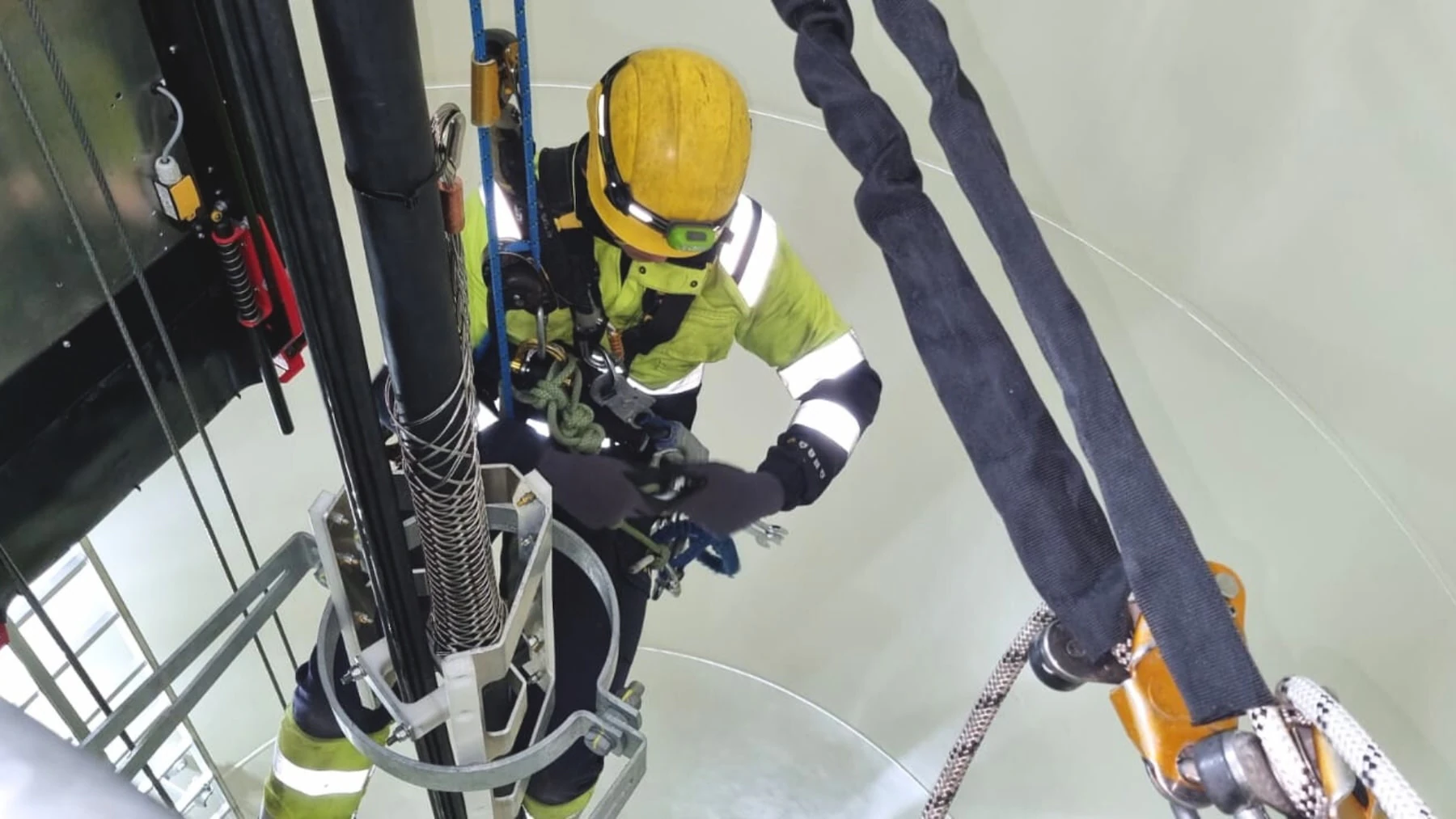
Comprehensive Training and Certifications
Before mobilisation, the competence matrix should identify the rope-access certification, trade qualifications, medical clearance and site approvals required for that project. Our guide to offshore medical certification explains one part of that readiness process.
- IRATA training develops competence in rope techniques, safety rigging and rescue at the appropriate certification level.
- GWO certification (Global Wind Organisation) covers modules such as Working at Heights, Manual Handling, Fire Awareness, and First Aid.
Training records, certificate validity and role-specific competence should be checked before mobilisation. The separate guide to offshore rope access course requirements explains why the required package varies by sector, operator and task.
Pre-Job Risk Assessment and Method Statements
Before any rope is clipped or anchor is set, a detailed Task Risk Assessment (TRA) is performed. This assessment identifies potential hazards specific to the offshore location, taking into account factors such as equipment positioning, surrounding structures, and access limitations. Weather conditions are also closely examined—wind speed, precipitation, and sea states can all impact safety at height.
The TRA also outlines the rescue procedures that would be used in an emergency. Each technician’s role and responsibility should be clear before work begins. The designated supervisor, often an IRATA Level 3 supervisor for an IRATA operation, coordinates the rope-access safety arrangements.
In addition to the TRA, Gridinta prepares a Method Statement for every rope access task. This document serves as a step-by-step guide, detailing exactly how the job will be executed safely, efficiently, and in full compliance with safety protocols. It’s not just paperwork—it’s a safety roadmap.
Daily Equipment Inspections
Rope access equipment must be inspected before use and at the planned intervals required by the manufacturer, employer and site system:
- Pre-use checks: Harnesses, carabiners, descenders, and ropes are visually inspected before every shift.
- Planned periodic inspections: Deeper checks at the frequency set by the manufacturer, employer and site system.
- Traceability records: Equipment is identified and its inspection history is recorded where the system requires it.
Use equipment that meets the applicable standards, manufacturer instructions and site requirements. Remove damaged, contaminated or suspect equipment from service until a competent person has assessed it.
Emergency Preparedness: Rescue Planning
An offshore rope access task should have a site-specific rescue plan agreed before work starts. Rescue equipment must be available in the configuration the plan requires and, where practical, pre-rigged or positioned for the response. Remote sites cannot rely on an unplanned response from shore.
Rescue systems typically include haul setups for vertical evacuations, rope-cutting tools for entanglement scenarios, and stretchers or casualty harnesses to safely lower or lift injured personnel. Technicians are not only familiar with these systems—they’re actively trained to use them under real-world conditions.
The rescue method should be practised at the level required by the task and site system. Teams need to understand the equipment, casualty-handling method, communication route and handover arrangements before starting work.
Weather Monitoring and Safe Work Limits
Rope access crews monitor environmental conditions against the project’s approved limits before and during work. Relevant factors can include wind speed and gusts, precipitation, swell height, vessel or platform movement and lightning risk. A change outside the plan should trigger a stop or reassessment rather than an improvised continuation.
If conditions exceed the project’s defined limits or change the assumptions in the risk assessment, the supervisor should pause the task, reassess the controls and resume only when the work can be carried out safely.
Crew Communication and Coordination
Communication should remain clear and dependable throughout the task. The project plan should define how the offshore team:
- Use helmet-integrated radio systems
- Conduct detailed toolbox talks before every shift
- Establish line-of-sight and radio check protocols
- Has a designated supervisor overseeing the task
Rope access planning should define team roles, supervision and the communication method; personnel should not improvise a solo operation where the risk assessment requires a team.
Why Gridinta Prioritizes Offshore Rope Access Safety
Gridinta’s approach is to make the controls visible in planning, supervision, equipment records and reporting. A clear method statement, rescue plan and communication chain give the client and crew a common reference for the work scope.
That discipline also means stopping when conditions, equipment or the task plan no longer support safe work and escalating the issue through the site process.
Join a rope access team that treats safety as non-negotiable
If your training and experience match a current role, review Gridinta’s career opportunities and ask the recruiter to confirm the project’s training, medical and site requirements.