
The EU Machinery Regulation 2027 and When Modifying a Machine Makes You Its Manufacturer
The EU Machinery Regulation (EU) 2023/1230 applies from 20 January 2027 and replaces the Machinery Directive 2006/42/EC with no transition period. For plant owners, maintenance managers and contractors, the biggest practical point of the Machinery Regulation 2027 change is Article 18: whoever substantially modifies a machine is treated as its manufacturer. Machines already in service do not need new certification just because the date passes. Their use at work stays under the Work Equipment Directive 2009/104/EC and national health and safety law.
What the Machinery Regulation 2027 date actually changes
The Regulation (EU) 2023/1230 text on EUR-Lex sets the general application date in Article 54. Article 51 repeals Directive 2006/42/EC with effect from the same day. Germany's federal occupational safety institute BAuA notes that there is no transitional period: machines can be placed on the market under the directive only until 19 January 2027.
| Date | What happens |
|---|---|
| 19 July 2023 | Regulation enters into force |
| 20 January 2024 | Rules on notified bodies (Articles 26 to 42) apply |
| 20 October 2026 | Member States notify their penalty rules to the Commission |
| 19 January 2027 | Last day to place machinery on the market under the directive |
| 20 January 2027 | Regulation applies in full; directive repealed |
| 2 August 2028 | Deadline for delegated acts adding AI requirements |
Article 52 lets products placed on the market under the directive before 20 January 2027 continue to be made available. A machine you bought and installed in 2025 keeps its original EC declaration of conformity.
Does machinery already in service need re-certification?
No, not by itself. The Machinery Regulation 2027 rules govern placing on the market and putting into service, meaning the first use in the Union. It does not reach back to machines already working.
The European Commission's Guide to the Machinery Directive, edition 2.3 of April 2024, explains the split in §140. Work Equipment Directive 2009/104/EC always applies to machinery used at work. Employers must keep machines in service compliant with the rules that applied when they were first made available, through adequate maintenance. The same section adds that this changes when a modification is so substantial that the machine must be treated as new.
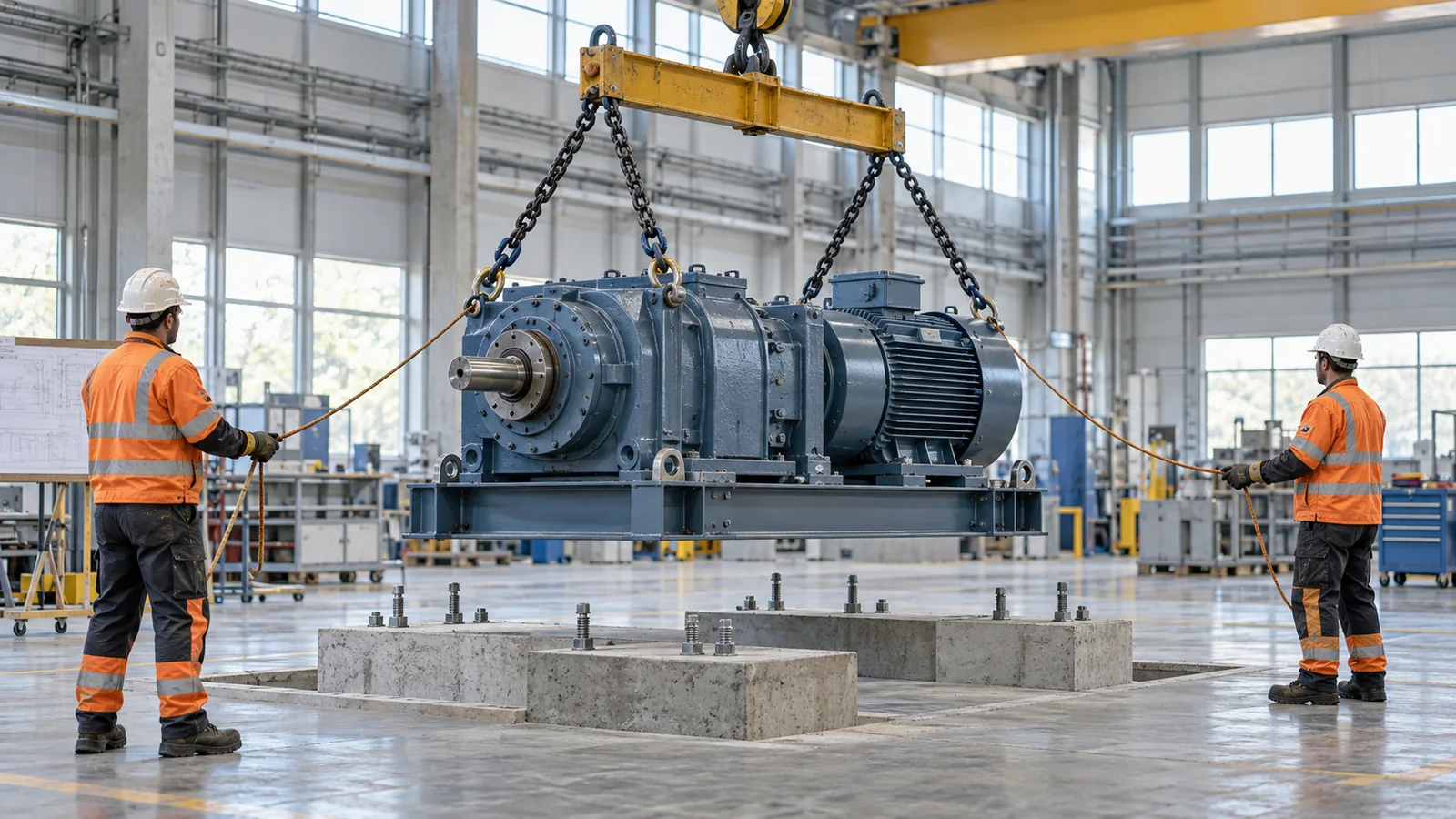
Relocation sits mainly on the work equipment side. Directive 2009/104/EC requires inspection of equipment whose safety depends on installation conditions after assembly at a new site, before it is used again. Moving a press line or a crane is therefore an inspection and documentation job, not automatically a new conformity assessment.
When does a modification make you the manufacturer?
Article 3(16) defines a substantial modification as a change, by physical or digital means, made after the machine was placed on the market or put into service. It must be unforeseen by the original manufacturer and must create a new hazard or increase an existing risk. It must also require either new guards or protective devices that need changes to the existing safety control system, or additional measures for stability or mechanical strength.
Article 18 then makes the person who carries out that modification the manufacturer, for the whole machine or only for the affected machine within an assembly. Recital 26 confirms that repair and maintenance which do not affect compliance are not substantial modifications. A non-professional modifying a machine for their own use is excluded.
| Job | Typical outcome |
|---|---|
| Like-for-like part replacement | Not substantial |
| Relocation with no design change | Not substantial; inspection needed |
| Adding a fixed guard | Usually not substantial |
| Higher speed, load or power | Assess; may be substantial |
| Safety-related software or control change | Assess; may be substantial |
| Linking machines into a new line | Assess the whole assembly |
A practical test from German guidance
Germany's labour ministry published an interpretation paper on substantial modification in 2015, under the old directive. It asks three questions. Is there a new hazard or a higher risk? Are the existing protective measures still enough? Can simple safeguards, such as a fixed guard, restore safety? Only when the answer to the last question is no does the paper treat the change as substantial. The 2023 definition follows the same logic.
What the manufacturer role involves after a substantial modification
Article 10 lists the obligations that transfer to you. In short:
- design to the essential health and safety requirements in Annex III, based on a risk assessment
- technical documentation under Annex IV, kept for at least 10 years
- the conformity assessment procedure under Article 25
- an EU declaration of conformity and CE marking
- instructions for use, which may be digital, with paper free of charge on request at purchase, within one month
Annex I lists higher-risk categories. Part B includes devices for lifting persons with a risk of falling more than 3 m. These need a notified body unless harmonised standards covering all requirements are fully applied. The Annex I Part A categories, including safety components with self-evolving machine-learning behaviour, always need third-party assessment.
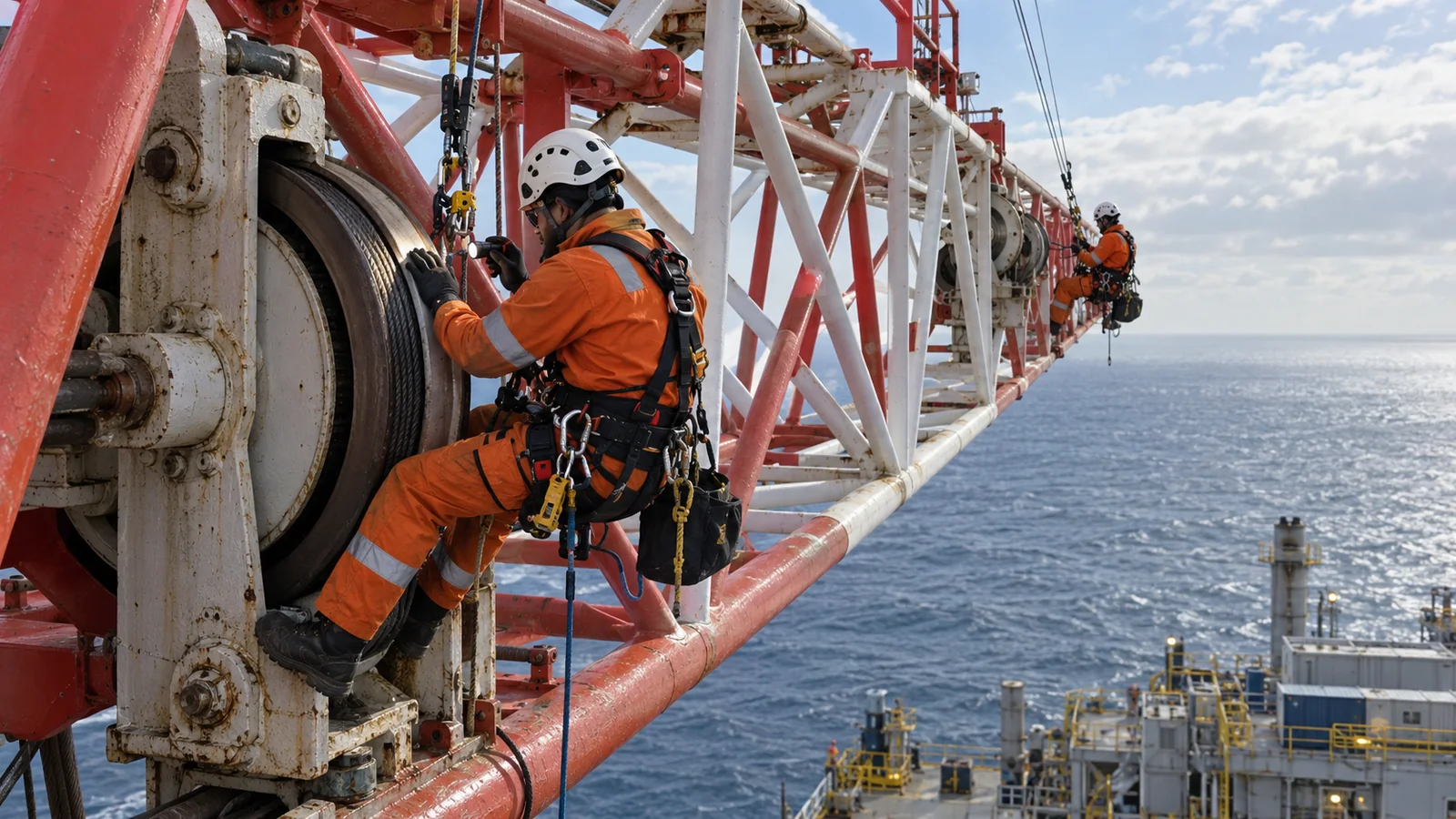
Lifts, ascenders and other machines at height
Wind turbine service lifts are a clear example. Retrofitting gates, guarding or controls on existing lifts is common, and Gridinta has published a JASO lift repair and retrofit case covering 41 turbines in Finland and Latvia. In May 2024 Northern Ireland's regulator HSENI issued a safety alert after a technician's hand was trapped by a turbine lift. It called for repositioned controls or better guarding. It named EN 81-44, published by CEN in 2024 as EN 81-44:2024, as the design benchmark.
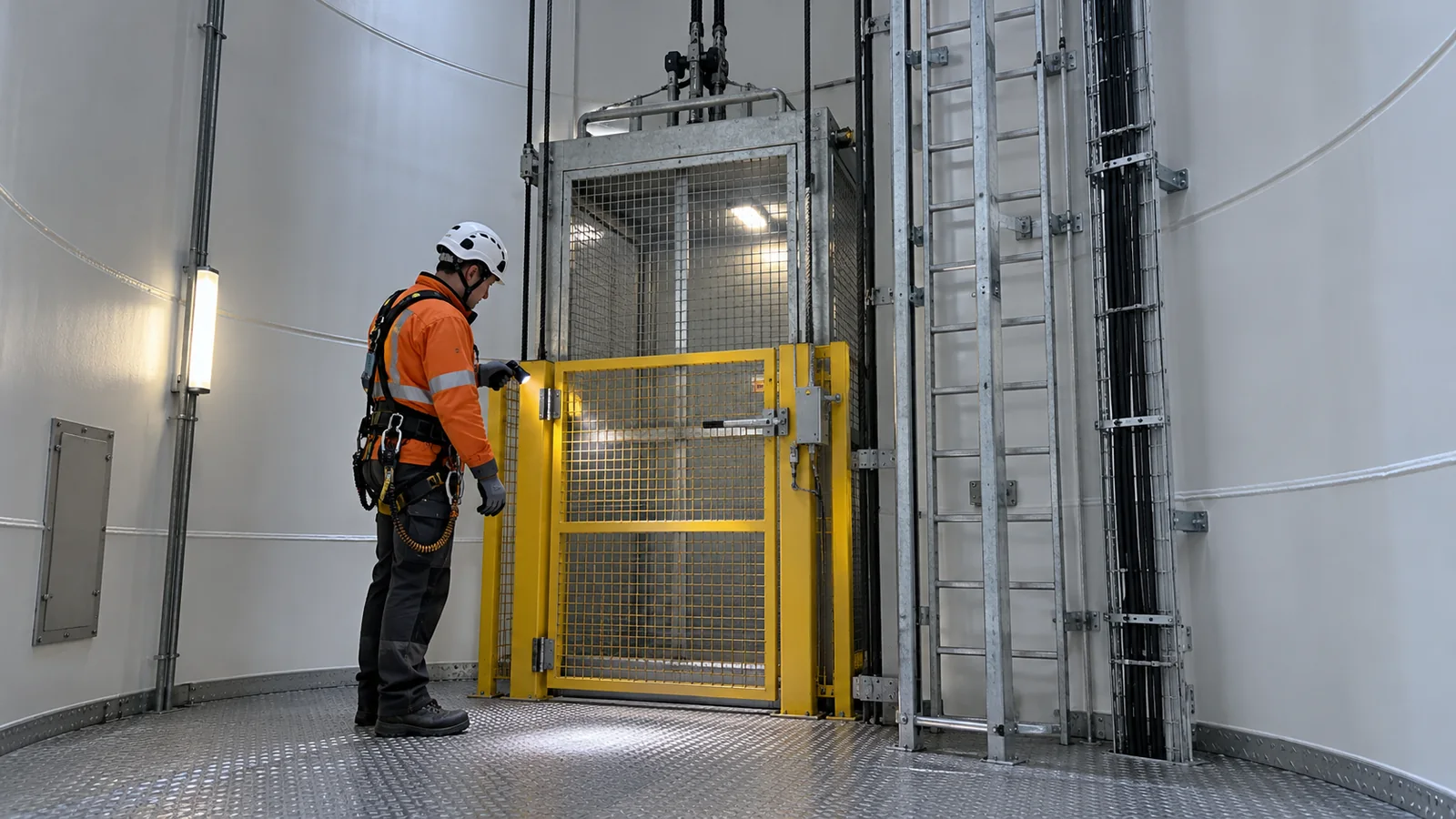
Guards that raise safety without new functions are normally not substantial modifications. A retrofit that changes the drive, rated load or safety controls needs a documented assessment. Powered rope ascenders such as Smart Spider ascenders are machinery too, so modifications should go through the manufacturer.
Cybersecurity and AI rules, as of October 2026
Annex III, section 1.1.9, "protection against corruption", requires safety-critical software and data to be protected and interventions logged. On 20 January 2026 industry groups asked the Commission to postpone 1.1.9 and 1.2.1(f) to 11 December 2027, in line with the Cyber Resilience Act. As of October 2026 we found no adopted postponement, so 20 January 2027 still stands.
Regulation (EU) 2026/1744, the Digital Omnibus on AI, entered into force on 27 July 2026. It empowers the Commission to add high-risk AI requirements to Annex III through delegated acts that apply by 2 August 2028. Separately, the Omnibus IV "digital by default" package reached provisional agreement on 9 June 2026; as of October 2026 its final text was still awaiting formal adoption.
Checklist before and after January 2027
- List modifications, upgrades and relocations planned around the Machinery Regulation 2027 start, from 2026 to 2028.
- For each, record who designs and who carries out the change, and therefore who could hold the manufacturer role.
- Run and file a risk assessment before work starts, using the three-question test.
- Collect EC or EU declarations, instructions and technical files for every machine you plan to change.
- For new equipment, confirm whether delivery falls before or after 20 January 2027 and which declaration it will carry.
- Decide whether you need paper instructions and request them at purchase.
- Ask suppliers how they meet section 1.1.9 for connected and software-controlled machines.
- Plan post-relocation inspections under your national work equipment rules.
Our teams support machinery and structural installation and dismantling, industrial welding and fitting and electrical work at height. Gridinta does not issue CE marking or act as a notified body. We agree the documentation route with the client and the manufacturer before work begins. This article is general information, not legal advice; always check the official text on EUR-Lex.