
How to Prepare for IRATA Exam: A Practical Guide
Preparing for an IRATA assessment is about more than memorising knots. It’s a mix of solid fundamentals, disciplined practice, documented experience, and the right mindset under pressure. This guide walks you through what to focus on so you can approach your IRATA Level 1, 2, or 3 exam with confidence.
Understand IRATA Levels and Requirements
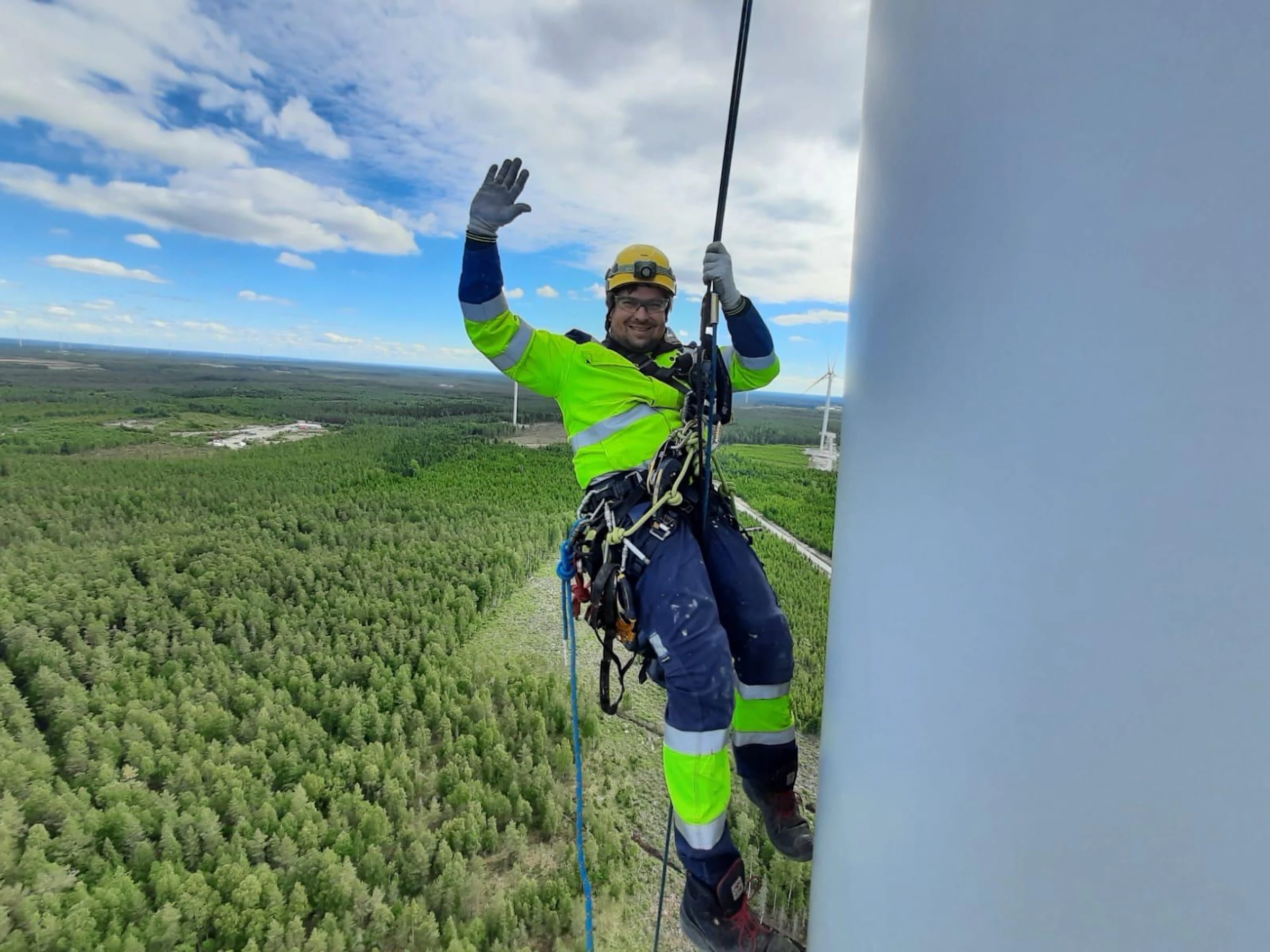
IRATA certification is structured in three levels. Level 1 is the entry point for technicians working under supervision. Level 2 adds complex rigging, hauling, and rescue capabilities. Level 3 is the supervisory level, responsible for planning, safety, and rescue leadership. If you need a broader overview before preparing, start with our IRATA certification guide. Progression requires logged hours and time at level, a valid logbook signed by competent supervisors, and a successful assessment by an independent IRATA assessor. Revalidation is required every three years, so treat study and practice as an ongoing habit.
Build a Focused IRATA Training Plan
Training and assessment arrangements depend on the level, training member and current IRATA requirements. Use the course to refine skills you have already practised, not to see them for the first time. Before booking, review the structure and entry requirements for available IRATA training courses. Create a plan that alternates hands-on practice with short theory blocks. Prioritise smooth, repeatable rope manoeuvres; accurate equipment checks; and clear verbalisation of what you’re doing and why. If you’re upgrading, schedule your course when your logged hours are complete, current and representative of real work.
Master the Core IRATA Techniques
For Level 1, focus on equipment checks, knots, ascending and descending on two ropes, changeovers, deviations, re-anchors, short transfers, hauling assistance and basic rescue. Level 2 adds advanced rigging, hauling systems, tensioned lines, and more complex pick-offs. Level 3 must be fluent in job planning, anchor selection, load management, rescue design, and team supervision. Across all levels, accuracy matters: keep systems tidy, manage slack, protect ropes at edges, and maintain independent backups at all times.
Train Rescue Until It’s Boring
Rescue deserves deliberate practice. Work through realistic pick-offs, passing knots and deviations with a casualty, lowering and hauling transitions, and stretcher handling where applicable. Practise voice control and sequencing under pressure. Aim for calm, controlled movements and ask your instructor to correct unsafe or inefficient habits.
Tune Your Safety Habits
Safety is assessed throughout the practical work. Narrate your checks, keep connectors oriented correctly, lock devices when hands-free, and maintain separation of working and backup ropes. Use edge protection without prompting. Reviewing common rope access mistakes can help you identify unsafe habits before assessment day. If something is unclear, stop, ask and correct the system before continuing.
Get Your Logbook & Paperwork Right
Your logbook should be legible, complete, signed, and stamped where required. Make sure hours are totaled and clearly attributable to the correct level. Bring government ID, current medical if applicable, PPE in good condition, and any employer letters requested by your training centre. Choose a reputable training provider with experienced instructors and realistic training rigs; quality instruction makes a difference.
Common Reasons Candidates Fail the IRATA Exam
- Safety-critical errors such as unclipped backups, unlocked devices when hands-free, cross-loading connectors, or poor edge protection.
- Untidy, inconsistent systems leading to confusion, dropped tools, or rope damage risk.
- Weak rescue sequencing: struggling to control the casualty, manage friction, or transition between lower and haul.
- Gaps in theory: not understanding loads on anchors, device limitations, or inspection and retirement criteria.
- Paperwork issues: incomplete logbook, missing signatures, or hours that do not meet upgrade requirements.
IRATA Exam-Day Checklist
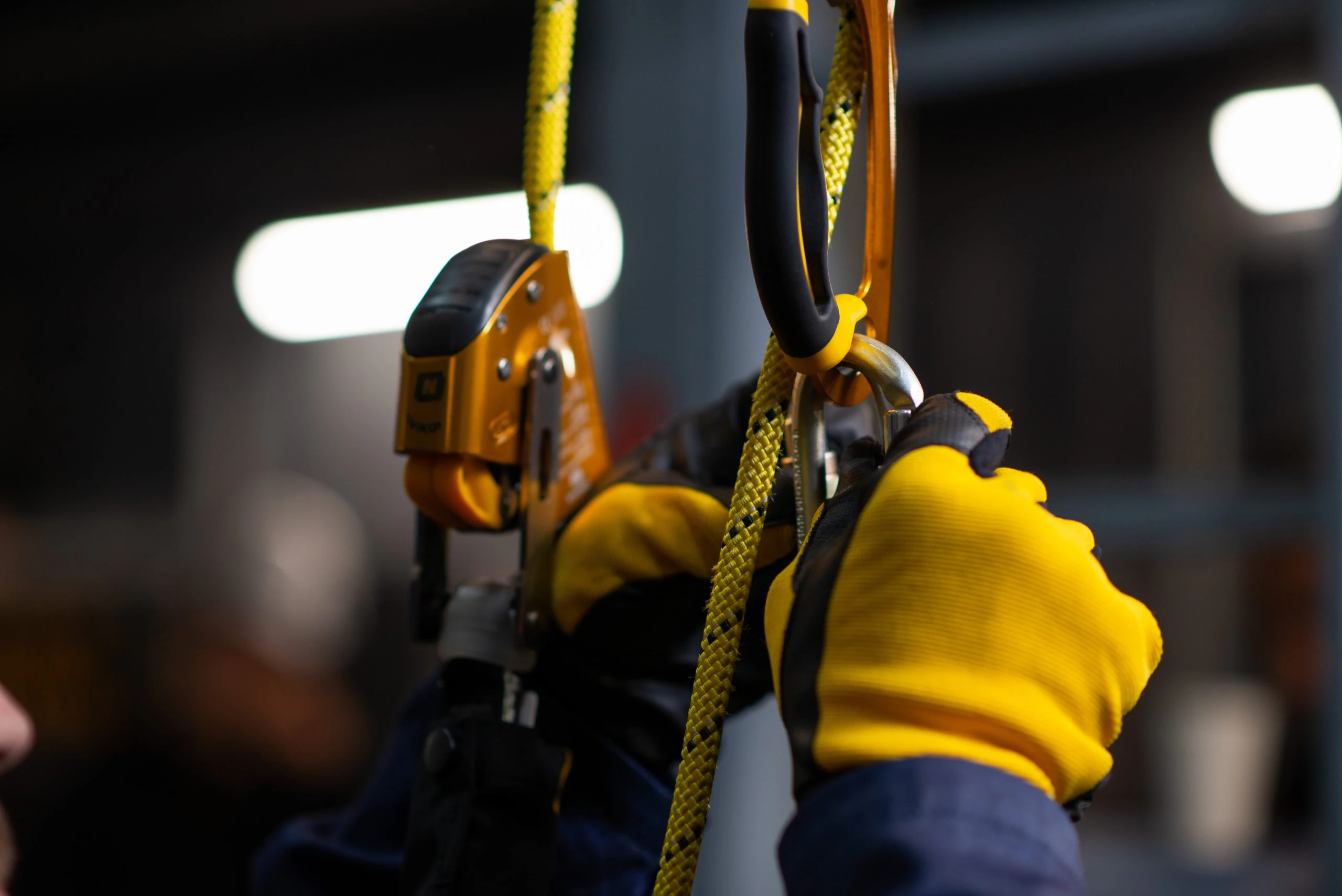
- Arrive rested, hydrated, and with serviceable PPE: harness, helmet, lanyards, descender, backup, cow’s tails, ascenders, connectors, knives as permitted.
- Warm up, check radios if used, and do a full pre-use inspection with a clear verbal check.
- Work methodically: announce your actions, manage slack, lock off properly, protect edges, and keep systems clean.
- If you make a mistake, stop, correct it safely, and continue. Composure counts.
After You Pass IRATA: Keep the Momentum
File your new certificate, update your CV, and keep practising. For Level 1s, target varied site experience under solid supervision. For Level 2s, look for projects that stretch your rigging and rescue skills. For Level 3s, invest in planning, leadership, auditing, and mentoring; our guide to IRATA Level 3 supervisor responsibilities explains what that next step involves.
Passed IRATA Exam & Ready for next step?
Gridinta works with IRATA-certified technicians who value discipline, safety and professional growth on onshore and offshore projects. If you have passed your assessment and are considering project work, view our career opportunities and compare the stated location and qualification requirements.