
OEUK Medical Certificate (Formerly OGUK): Offshore Guide
The certificate commonly called an OGUK medical is now an OEUK medical, following Oil & Gas UK’s change to Offshore Energies UK. It assesses medical fitness for offshore work under the OEUK framework used in the UK sector. It is not a universal medical for every offshore wind, vessel or installation worldwide.
What Is an OEUK (OGUK) Medical Certificate?
An OEUK-registered examining doctor assesses whether a person is medically fit for the remote offshore environment and issues an unrestricted, restricted, shorter-duration or no certificate according to the current guidelines and individual findings. Employers and operators decide which medical scheme they accept for a specific mobilisation.
An OEUK medical certificate may be valid for up to two years, but the examiner can issue a shorter duration or restrictions. The assessment is determined by the current guidelines and may include:
- Medical history and clinical examination
- Vision, hearing, cardiovascular, respiratory and musculoskeletal assessment where relevant
- Tests or reports requested by the examiner under the current guidance
- A fitness decision that may be unrestricted, restricted, limited-duration or not issued
An employer may arrange separate drug-and-alcohol testing or other occupational-health assessments for a role. These should not be presented as automatic parts of the OEUK medical examination.
Why It’s Essential for Rope Access Work
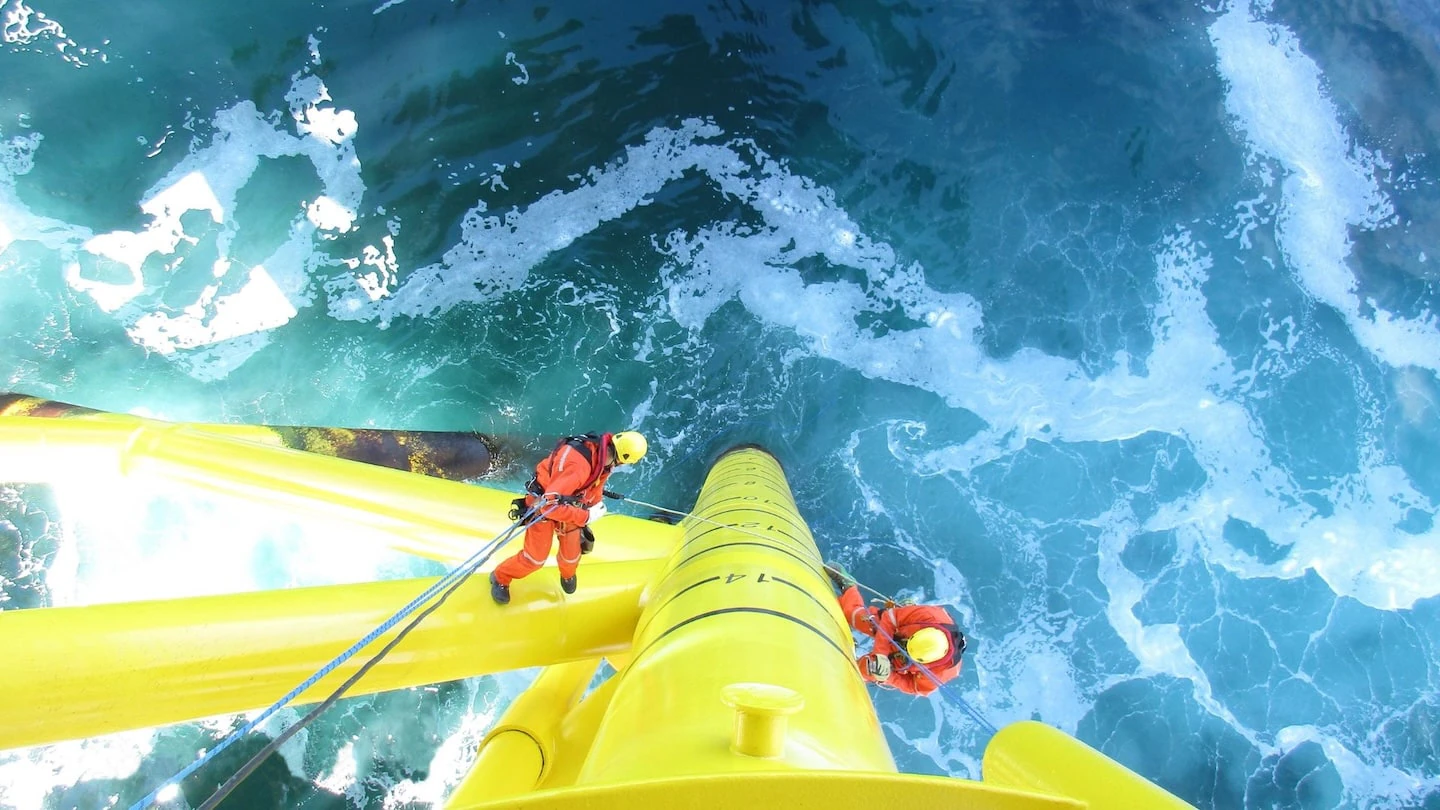
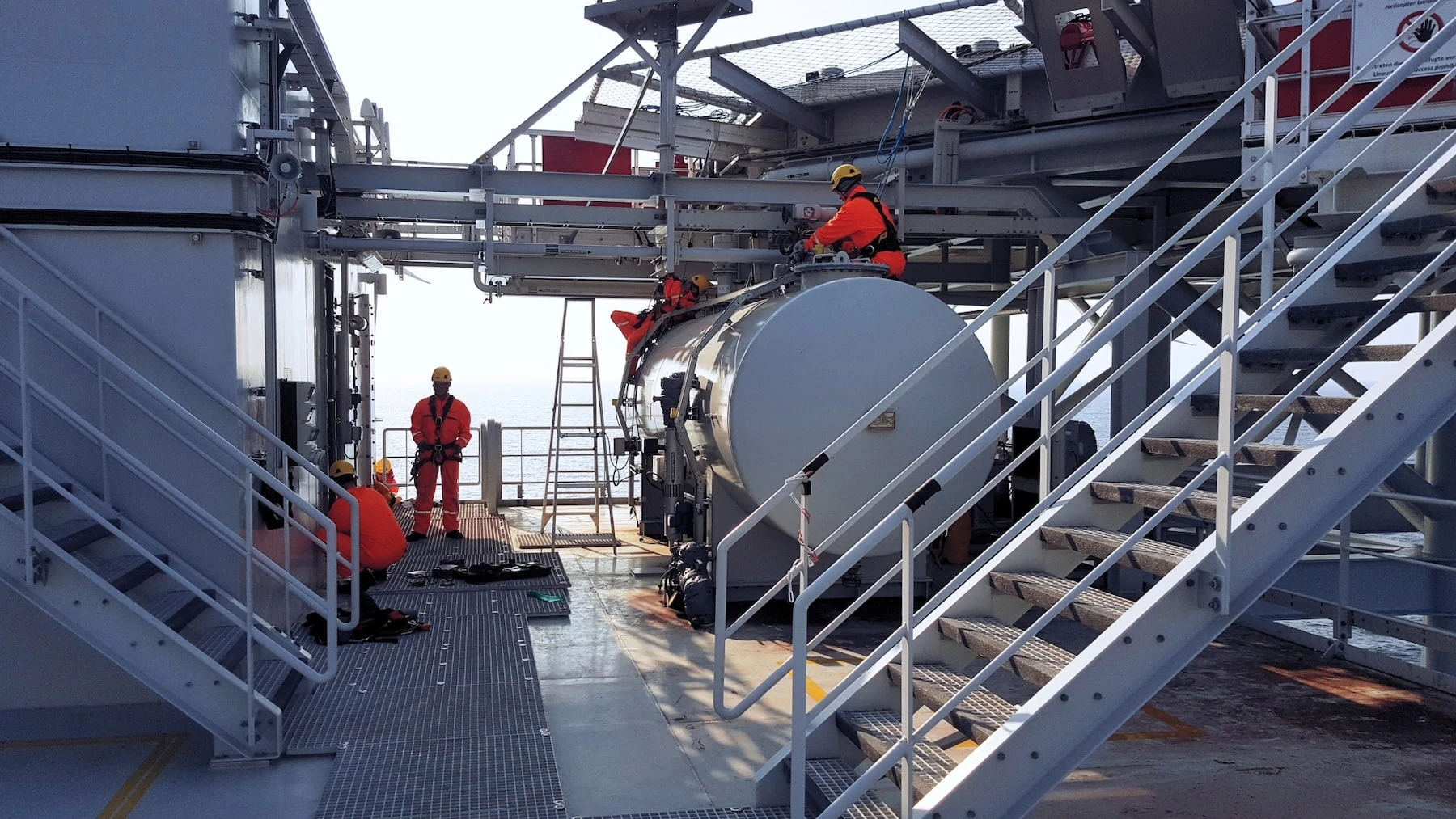
Offshore rope access combines work at height with remote emergency response and difficult evacuation. Medical fitness is therefore checked separately from technical competence and the courses needed for offshore rope access.
If a technician suddenly loses consciousness, has a seizure, or becomes physically compromised, it’s not just a danger to them—it puts the entire team at risk.
Here’s how the OEUK medical framework helps manage those risks:
- Helps assess fitness for the duties and conditions described by the examining scheme
- Supports planning for remote emergency response and evacuation
- Separates medical fitness decisions from rope-access and trade competence
- Provides documented evidence where the employer or operator accepts the scheme
What Happens If You Don’t Have One?
If a role or installation requires an OEUK medical, an expired or unacceptable certificate can prevent mobilisation even for an experienced IRATA Level 3 supervisor. Outside that scope, another national, operator or maritime medical may apply instead.
Check the expiry date and any restrictions on the certificate itself. Additional assessments may apply to emergency-response duties, rope access or other safety-critical roles. If your health changes, tell the employer or examining doctor and check whether a review is required. For installations covered by OEUK’s safe weight policy, an in-date certificate is no longer the only travel check: from 1 November 2026, a clothed outbound weight above 124 kg at the heliport stops travel. Our guide to the OEUK 124 kg offshore travel limit explains the scope, weight bands and shortened certificates.
Who Can Issue an OEUK Medical Certificate?
Use a doctor shown on OEUK’s current UK or overseas examiner register. The examiner can request further information, testing or specialist review before deciding fitness and certificate duration.
Before booking, confirm that the employer accepts OEUK certification for the destination. To check a certificate, follow OEUK’s certificate-verification procedure to confirm the doctor’s registration at the clinic or facility shown on it. Certificate validity should be checked with the issuing doctor or facility.
Fit for Offshore? It Starts With Your Health
Medical fitness is one layer of a wider system that includes competence, planning, supervision, rescue arrangements and the offshore rope access safety controls used for the task. It also remains separate from the general fitness, nutrition, hydration and fatigue practices that support readiness during a rotation.
If a vacancy or installation specifies an OEUK medical, arrange it through a registered examiner and confirm acceptance before mobilisation. Medical fitness remains separate from rope-access and trade competence.
Got Your OEUK Medical — or Planning to Get It?
If your certifications and experience match an open role, review Gridinta’s current career opportunities. Each vacancy or recruiter should confirm the medical and training documents needed before mobilisation.
Explore opportunities, take on real challenges, and be part of a crew that puts safety and precision first.