
Rope Access in Oil and Gas Facilities: Safety and Efficiency
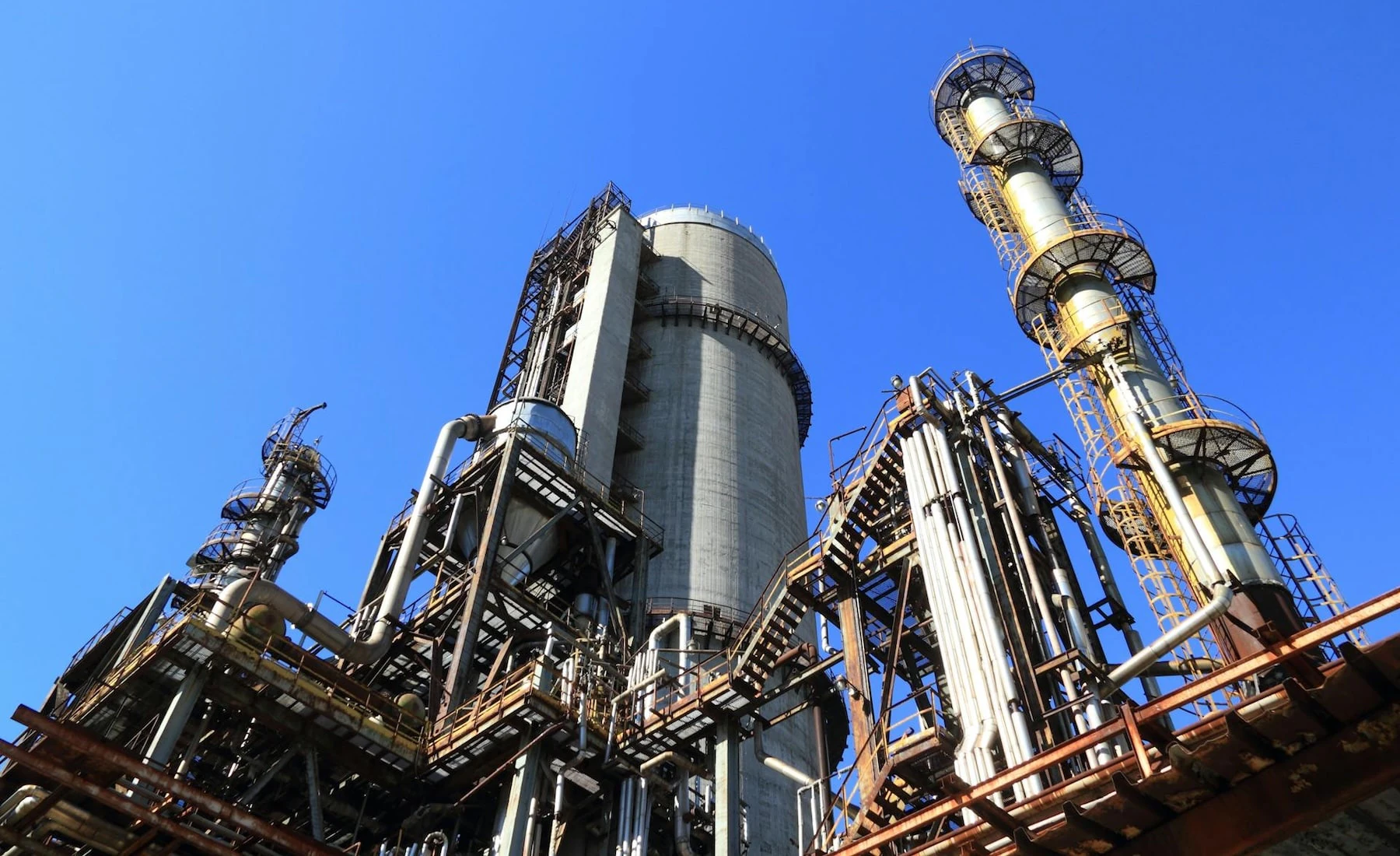
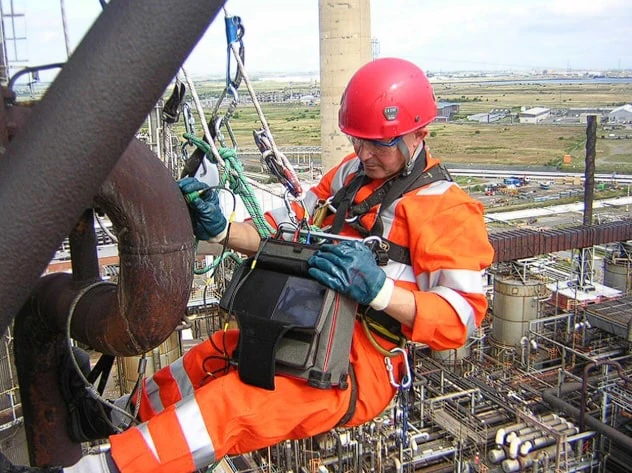
Onshore refineries and processing plants and offshore platforms all contain difficult access, hazardous energy and tightly controlled work areas. Rope access is one option for maintenance, inspection and repair when the structure, anchors, work method, rescue arrangement and operator controls make it suitable. Gridinta’s onshore oil and gas services and offshore oil and gas services apply that decision to the actual site and scope rather than treating rope access as a universal replacement for other access systems.
Why Rope Access Works for Oil and Gas Sites
Rope access can be useful where the work is targeted, the access geometry is vertical or otherwise difficult, and a temporary platform would add more setup than the scope justifies. Before mobilisation, the team still needs to confirm anchor points, rope paths, equipment handling, exclusion zones, isolation or shutdown requirements, permits and rescue access. A short access route does not remove the need to control the process hazards around it.
Rope access can reduce the temporary footprint around a selected work position, but it does not make ground-level controls optional. Plan for dropped objects, material transfer, rescue equipment, work below, fire or gas hazards and the movements of other contractors. Scaffolding, a mobile platform or a hybrid arrangement may still be the better choice when the job needs a stable deck, heavy materials, containment or repeated access by several trades.
Safety Standards for Rope Access in Hazardous Environments
Oil and gas work combines rope-access hazards with process safety: flammable atmospheres, pressure, stored energy, hot work, traffic and, offshore, changing weather and marine conditions. The team must combine the applicable IRATA or SPRAT working system with the facility’s permit, isolation, hazardous-area, emergency and simultaneous-operations controls:
- A task-specific work method and rescue plan that match the asset and work position
- Permit, isolation and hazardous-area controls agreed with the facility
- Tools and equipment compatible with the area classification and task
- Gas testing or continuous monitoring where the risk assessment and facility procedure require it
- Exclusion zones, dropped-object controls, communications and weather limits
Technician qualifications, medical or fitness-to-work checks, facility induction and emergency training depend on the role, jurisdiction, asset and client requirements. Offshore projects may add requirements that do not apply onshore. Confirm the project matrix before mobilisation; an IRATA or SPRAT qualification does not replace a permit, site induction or task-specific authorisation.
Typical Rope Access Tasks in Oil and Gas Facilities
Rope access can support several oil and gas scopes when the access and process-safety review approves the method. The task should determine the equipment, technicians, rescue plan and reporting standard. Typical examples include:
- Non-destructive testing (NDT) on pipelines, pressure vessels and flare stacks
- Corrosion assessment and surface preparation for protective coatings
- Weld inspections and structural repairs at height
- Installation and maintenance of offshore safety systems
The range of tasks does not make rope access automatically safer or more efficient. Suitability depends on the asset, the work method, the people and equipment required, the process hazards, the duration and the rescue options. Document that comparison before treating rope access as the preferred method.
The Efficiency Advantage for Oil and Gas Operators
Compare the full delivery plan rather than only the time spent on ropes: mobilisation, anchor installation, permits and isolations, exclusion zones, material handling, coating containment, inspection reporting, rescue readiness and demobilisation. Rope access may reduce temporary access setup for a targeted scope, while scaffolding or a hybrid method may be more practical for long-duration work, heavy materials, containment or multiple trades. Several tasks can share one deployment only when the sequence, competence and controls are agreed in advance.
For an operator, the useful question is not whether rope access is fashionable but whether it controls the specific work without creating a new process-safety or logistics problem. A sound decision records why the method fits, what it cannot do, which controls are needed and when another access system should be used instead.
Need Rope Access Expertise for Oil and Gas Projects?
Gridinta can review the asset, location, access geometry, task scope and site controls with you. Whether the work is on an offshore platform or an onshore refinery, share the inspection, maintenance or repair requirement so the access method and supporting controls can be assessed before mobilisation. Get in touch: