
What It Takes to Be a Rope Access Technician
Being a rope access technician is not simply about hanging from ropes or knowing the equipment. The work combines controlled movement, pre-use checks, task competence, communication and the discipline to stop when a system or condition is not understood.
Physical readiness matters, but it is only one part of the role. A technician also has to understand the work plan, manage equipment and tools, communicate with the team and keep learning as the task, site or trade changes.
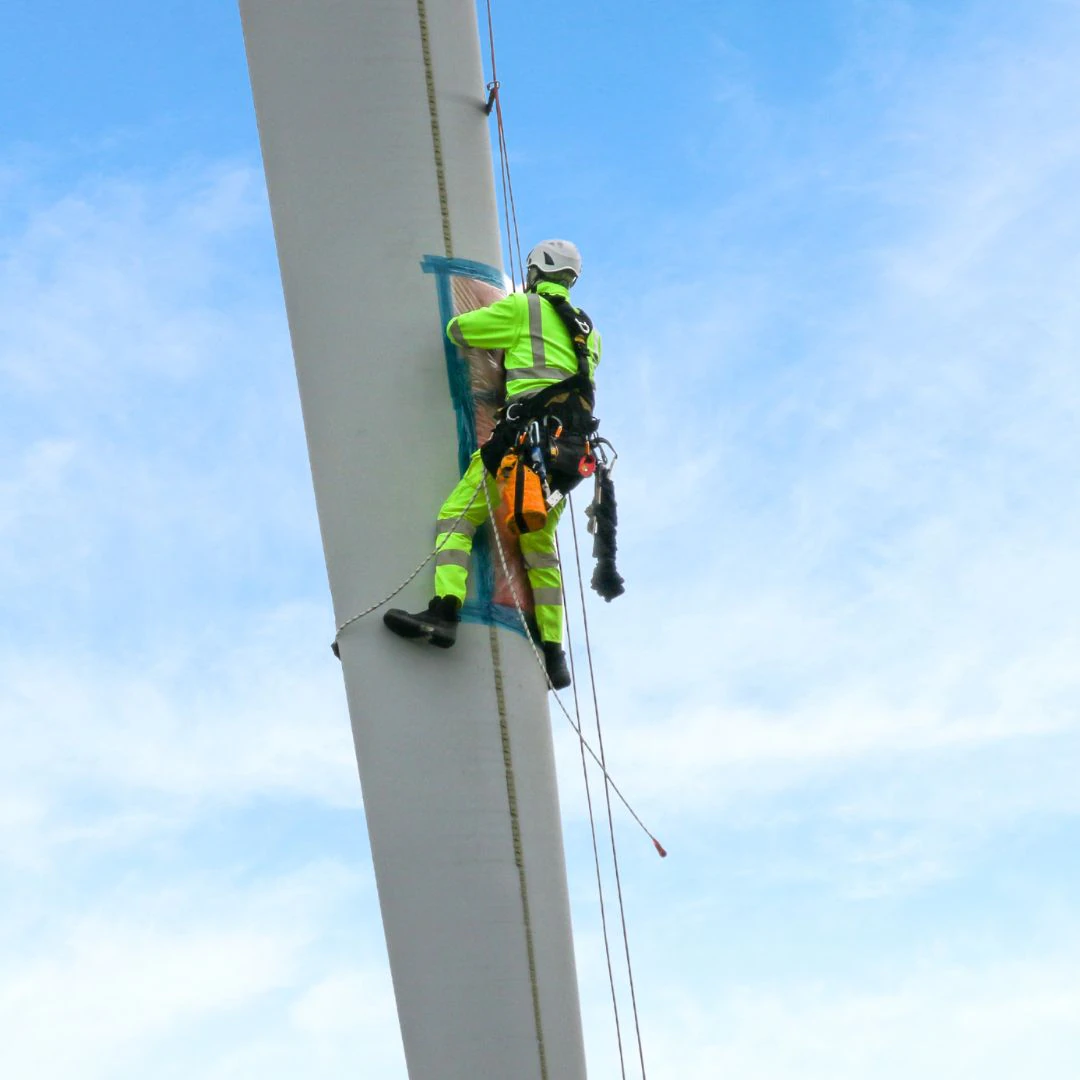
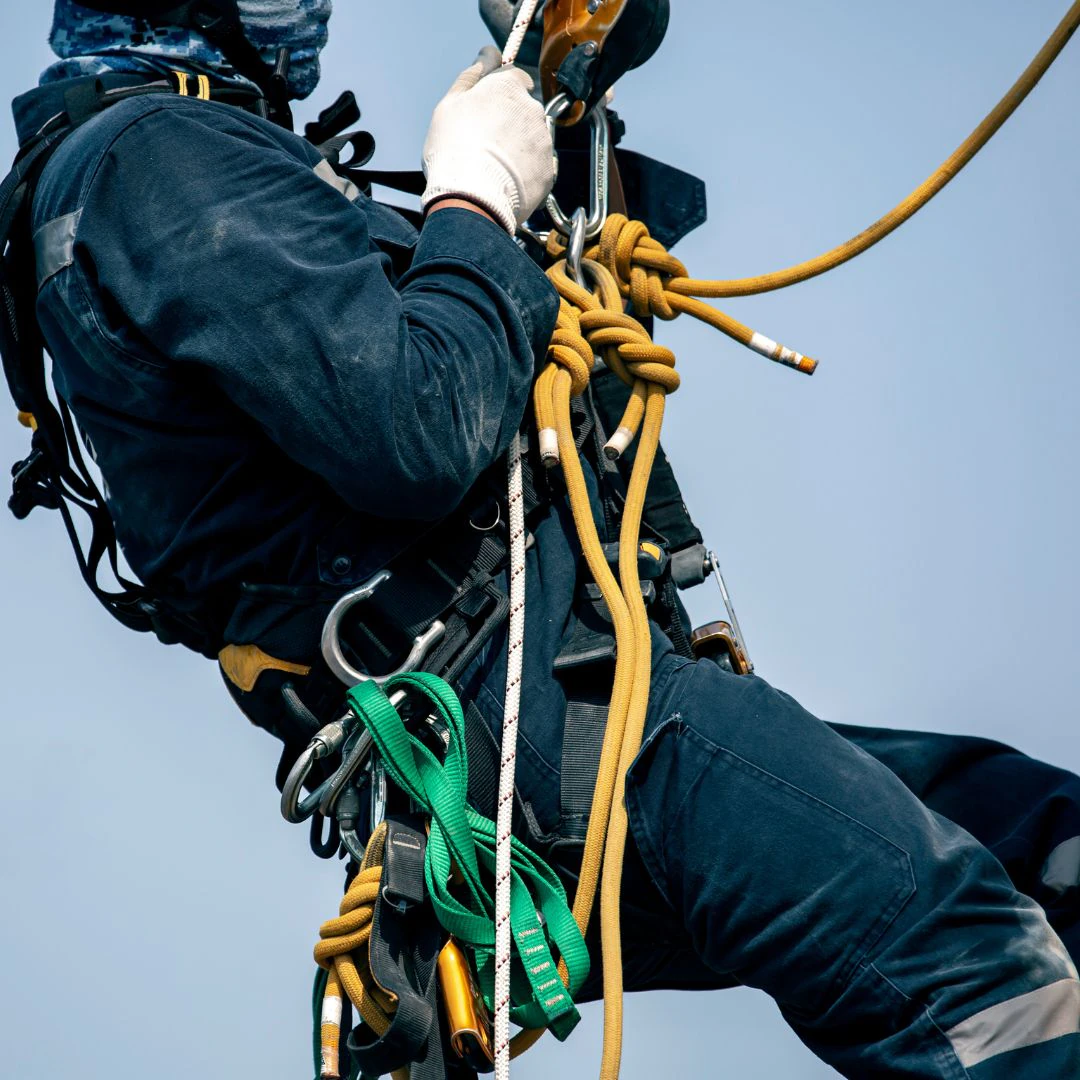
Core Traits of a Professional at Height
Responsibility: The technician owns their checks, follows the agreed system and tells the supervisor when equipment, weather, access or the task no longer matches the plan. Confidence is useful only when it is paired with the willingness to stop and ask.
Calm communication: Rope access teams need short, unambiguous calls and a shared understanding of the next action. A technician should be able to explain a concern, receive feedback and keep the sequence controlled when the work becomes inconvenient or time-sensitive.
Precision: Knots, connectors, devices, anchors, edge protection and tool control all need deliberate checks. The technician should keep the working and backup systems organised and be able to explain why a setup is appropriate for the task.
Training and Certifications Every Rope Access Technician Needs
While natural ability and mindset are important, rope access work — especially offshore — demands a strong foundation of professional training and internationally recognized certifications. The required courses support safe work, but legal, employer and site eligibility also depends on the jurisdiction, role and task-specific competence.
IRATA Certification is a widely recognised rope access qualification pathway. Its three levels cover progressively broader rope access competence, from specified tasks under supervision to advanced rigging, rescue and rope access safety supervision. The level and qualification accepted for a role must still be checked with the employer and site.
GWO (Global Wind Organisation) Training may be required for wind-energy roles, with the exact modules determined by the job and employer. Relevant modules can cover working at heights, manual handling, first aid and fire awareness.
Offshore medical certification may also be required to confirm fitness for work in isolated and physically demanding environments. The accepted medical standard depends on the country, employer and installation operator.
On top of formal training, offshore safety procedures may include site-specific inductions, risk assessments, permit-to-work systems and rescue drills. Offshore remoteness, changing weather and transport limits make planned on-site rescue arrangements and clear escalation procedures important for the assignment.
For a technician aiming to work offshore, these courses and procedures should be treated as role-specific preparation rather than boxes to tick. They supplement, rather than replace, the rope access qualification and the controls for the particular site.
Rope Access Is a Team Sport
Within the IRATA rope access system, lone working is not allowed. Technicians must communicate clearly, make decisions together and support one another while the Level 3 supervisor maintains rope access safety oversight. Local law and the client may add further team requirements.
Humility is part of technical competence. No matter how experienced you are, you still need to accept a second check, report a mistake and learn from the supervisor or trade lead. A team that can correct itself is easier to control than one that hides uncertainty.
The same habits apply whether the crew is new to one another or has worked together before: agree the plan, check understanding, share changes and keep the supervisor informed.
IRATA Level 3 supervisors lead the rope access safety arrangements, but they do not automatically become the technical supervisor for the trade being performed.
Adaptability Is a Must
The work environment can change from an onshore industrial site to an offshore assignment, but those settings are not interchangeable. Onshore work is shaped by land access and the fixed structure; offshore work adds marine logistics, weather, transfer and operator requirements. A technician must learn the controls for the actual site.
Certifications are just the beginning. Continuous learning is part of the job.
For Those Who Want Their Work to Matter
Rope access can suit people who want practical responsibility in inspection, maintenance, repair or installation work. The job is meaningful only when the technician’s access competence, trade skill and safety decisions match the actual project.
It is a job for people who can follow a system carefully, communicate with a team and keep developing their technical competence while working at height.
Want to join a team that values safety, skill, and strong character?
If your certification, trade skills and experience match a listed role, review Gridinta’s career opportunities and compare the stated location, onshore or offshore conditions and qualification requirements.