
What Makes a Great Rope Access Team Lead
Becoming a rope access team lead is not simply about climbing higher. It means taking responsibility for the people, the work method and the decisions that keep an industrial job controlled. In wind, oil and gas and construction, the lead connects the client’s scope with the technicians’ work: confirming what can be done, how it will be done, and when the team must pause or change the plan.
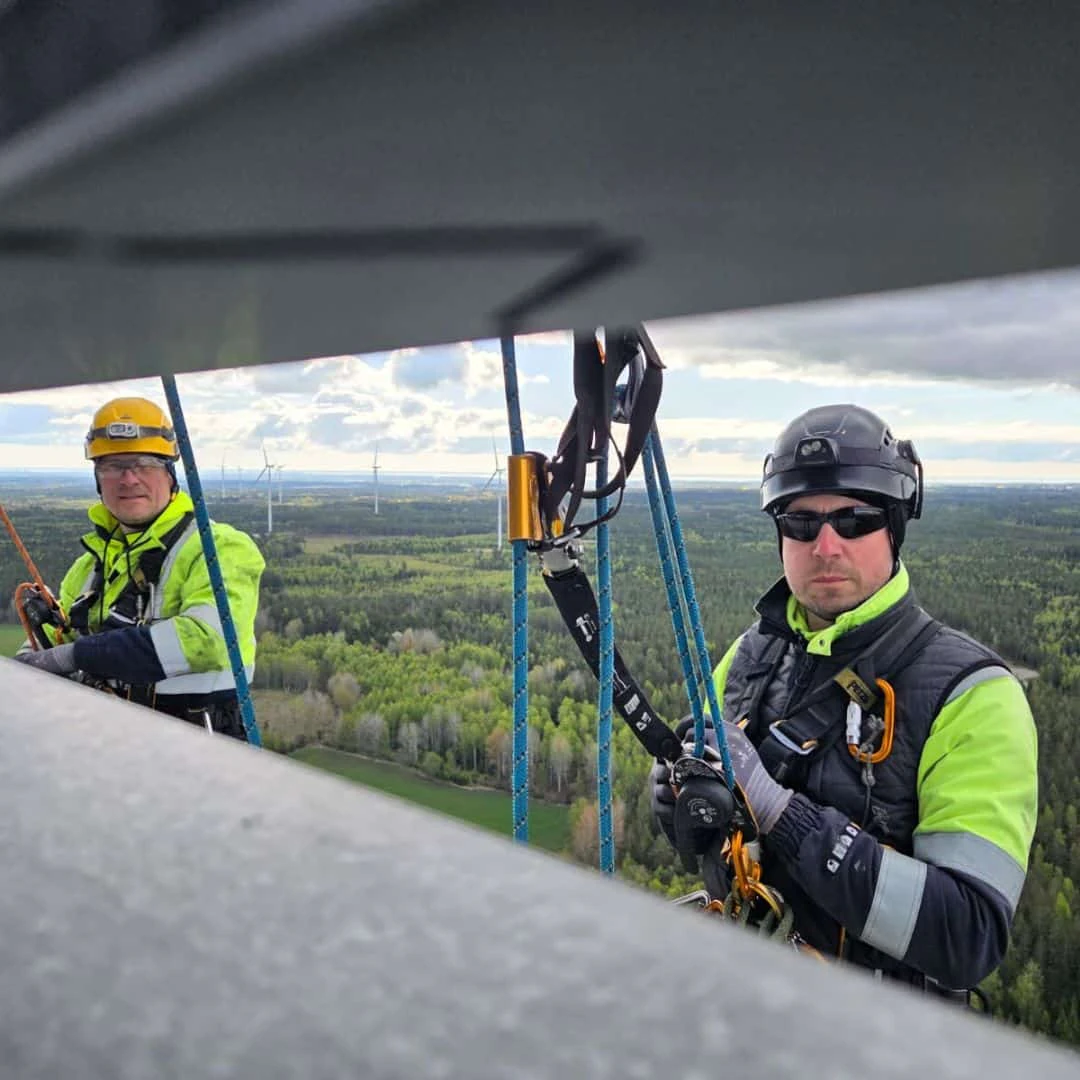
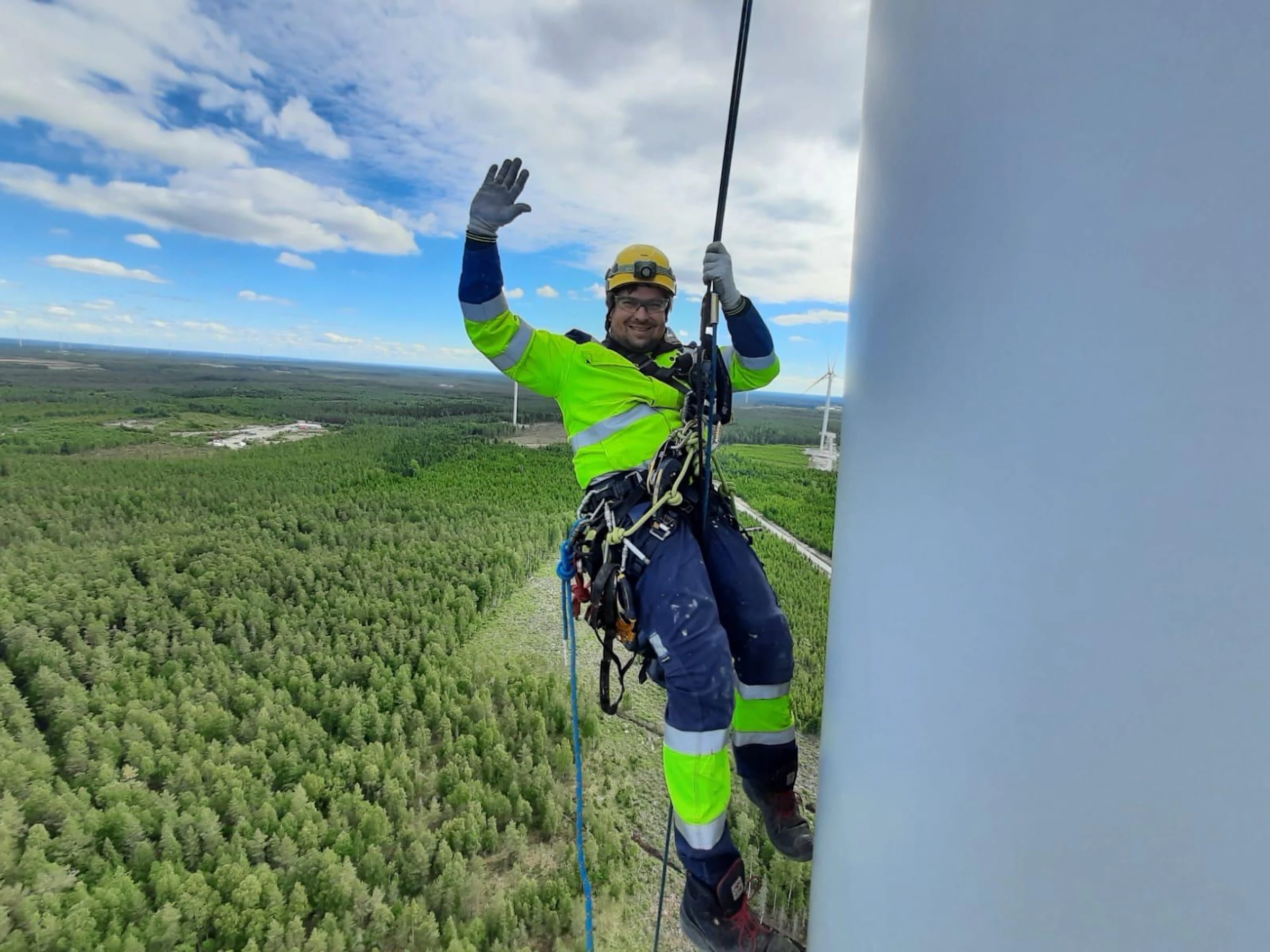
The Path to Rope Access Leadership
In the industrial rope access industry, leadership is earned through experience, not titles.
For rope-access supervision under the IRATA system, Level 3 is the relevant supervisory level. The IRATA certification guide covers progression requirements, logged experience and revalidation; this article focuses on the leadership behaviours needed after or alongside that qualification. A company title alone does not replace the certification, competence and client requirements for a particular job.
A lead is accountable for the team’s rope-access controls, not for personally doing every task. Our overview of IRATA Level 3 supervisor duties covers the operational side of the role; in practice, that means checking the risk assessment and method statement, assigning work within competence, confirming rescue readiness and keeping the client and crew aligned when conditions change.
At Gridinta, internal training and mentoring can help translate a qualification into consistent site practice: clear briefings, sound handovers, disciplined reporting and the confidence to stop work when a control no longer fits the task.
The Must-Have Traits of a Rope Access Team Leader
Great rope access leadership combines skill, personality, and discipline. While technical knowledge can be trained, true leadership qualities must be cultivated over time.
Here are the essential traits that define a professional at height:
- Calm Under Pressure – When weather, equipment or the scope changes, pause, gather the facts and give the crew a clear next action instead of improvising at height.
- Clear Communication – Brief the plan, check radios and hand signals, use closed-loop confirmation for critical instructions, and listen when a technician reports a change.
- Technical Mastery – Verify anchors, rope paths, equipment, edge protection, rescue systems and task interfaces well enough to explain the controls to the crew.
- Responsibility and Integrity – Record deviations, report near misses and own the decision to stop or escalate rather than hiding a problem to protect a schedule.
- Empathy and Mentorship – Allocate work within competence, invite questions before access begins, and give specific feedback after the task or drill.
- Attention to Detail – Check the small controls that are easy to skip: knot dressing, connector gates, rope protection, tool retention, labels, handover notes and exclusion boundaries.
- Adaptability – Keep the core controls consistent while adjusting the briefing, permits, weather limits, rescue arrangements and client interfaces for onshore and offshore work.
- Safety-First Mentality – Make the stop-work threshold explicit and act on it when conditions, equipment, communication or the method no longer provide adequate control.
- Planning and Coordination Skills – Sequence mobilisation, permits, rigging, access, material handling, rescue readiness, reporting and handover so the crew and other site activities do not conflict.
Why It’s Worth Becoming a Rope Access Team Lead
The path to leadership in rope access is demanding because the lead must make decisions that protect people, assets and the work method at the same time. It can also broaden your experience into planning, coordination, reporting and mentoring, but the responsibility comes before the title.
You also gain:
- Broader Responsibility – Lead planning, briefings, rescue readiness, handovers and client coordination rather than only your own rope system.
- Transferable Coordination Skills – A lead practises decision-making, reporting, conflict resolution and team communication that apply beyond one access task.
- Deliberate Mentoring – Good leads build capability in the crew through clear expectations, observation, feedback and practical support.
- Project Variety – Where the qualification and client requirements align, leadership experience can transfer across wind, industrial, marine and construction scopes.
At Gridinta, the route from technician to project or offshore supervision is built through demonstrated responsibility. The useful evidence is not only a title: it is a record of sound planning, controlled execution, clear reporting, good handovers and a team that understands when to stop.
Safety, the Heart of Leadership
Before access begins, the lead checks the anchor arrangement, rope paths, equipment inspections, rescue plan, communication, exclusion zone and environmental limits. During the job, the lead monitors changes, supervises rigging and keeps the method aligned with the scope. The guide to common rope access mistakes highlights the practical failures a strong lead must prevent.
Preparation is also a communication task. After a stop or change, the lead secures the work, confirms the status of people and equipment, updates the assessment or method, and re-briefs the team before restarting. A fast restart is never more important than a shared understanding of the new controls.
Leading the Way Forward
Rope access leadership combines technical judgement with accountability. A strong lead makes the plan understandable, gives the crew room to speak up, keeps the client informed and treats a change in conditions as a reason to reassess rather than improvise. The result is controlled work that the whole team can explain and hand over.
Ready to Become a Rope Access Team Leader?
If you’re an experienced rope access professional ready to move into leadership, explore Gridinta’s current career opportunities and compare each role with your certification, task experience and leadership evidence.
Join a company that values expertise, safety, and integrity—and build a career that reaches new heights.