
The Role of Preventive Maintenance in Industrial Projects
Industrial assets face wear from corrosion, vibration, temperature, pressure, cycles and their operating environment. A failure can interrupt production or a project and create safety, environmental or quality consequences. Preventive maintenance gives the owner a planned way to inspect, service and document those risks before they become an emergency.
Preventive maintenance is scheduled by time, operating hours, cycles or a documented maintenance plan. It is different from condition-based or predictive maintenance, which uses current evidence such as alarms, SCADA or CMS trends, vibration, oil analysis and inspections to decide when attention is needed. Corrective maintenance is the repair or replacement after a defect is found or a failure occurs; it may be planned or reactive.
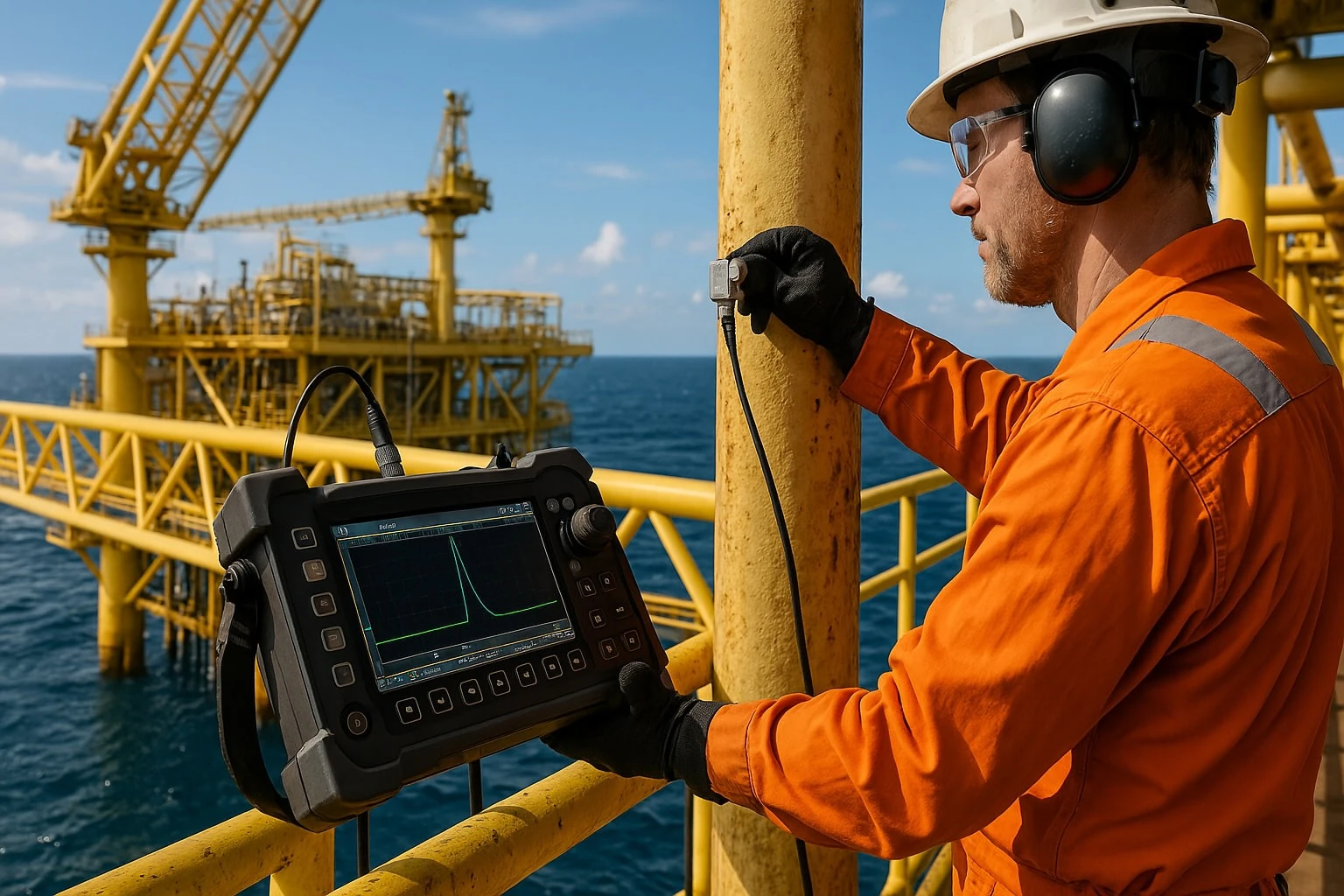
Why Preventive Maintenance Matters
Every industrial structure, machine, or system is subject to wear and degradation. Corrosion, vibration, temperature fluctuations, and mechanical stress slowly take their toll. Over time, this leads to cracks, leaks, and inefficiencies that compromise safety and performance.
Preventive work can identify and address deterioration before it becomes a larger intervention, but it does not guarantee uninterrupted operation or a fixed service life. The interval and task list should reflect the asset’s design, duty, environment, manufacturer guidance, inspection findings and applicable site requirements.
Key Elements of Preventive Maintenance
A successful maintenance program combines technical expertise, routine checks, and data-driven decision-making.
Gridinta’s preventive maintenance strategy includes:
- Inspection and monitoring – using visual, ultrasonic, thermographic or other appropriate methods to identify corrosion, fatigue, leaks, wear or structural change.
- Scheduled servicing and replacement – carrying out lubrication, calibration, cleaning or part replacement when the plan and evidence justify it.
- Condition and alarm review – comparing service history, fault codes, alarms and available SCADA or CMS trends with current inspection findings.
- Cleaning and surface treatment – removing contaminants and assessing or renewing protective systems where the scope and condition require it.
- Documentation and reporting – recording the evidence, defect priority, action, acceptance criteria and follow-up so the next decision has a reliable baseline.
The Cost of Skipping the Maintenance
Ignoring preventive maintenance may seem like a way to save time or money — but it usually has the opposite effect. Reactive maintenance, where repairs happen only after a failure, often leads to longer outages, safety incidents, and expensive replacements.
For example, a neglected weld joint or uninspected coating may allow corrosion to spread through a structure. Gridinta’s industrial welding and fitting services and inspection work address different parts of that maintenance cycle, from identifying a defect to completing an agreed repair scope.
Predictive Tools & Smart Maintenance
Condition-based and predictive tools can complement a preventive plan by showing how an asset is behaving between scheduled visits. A trend or alert is a reason to investigate, not proof that a failure will occur at a particular time. The decision should consider data quality, operating context, inspection evidence and the consequence of the suspected defect.
Techniques such as vibration analysis, ultrasonic thickness testing, and thermal imaging help teams evaluate asset condition. Gridinta’s NDT and steel surface coating inspection services support method selection and reporting, while our guide to predictive maintenance shows how condition signals can inform wind turbine schedules.
Safety & Reliability as Core Priorities
Preventive maintenance supports safe planning by making defects, access needs, isolations and follow-up actions visible before work starts. It can support compliance with applicable laws, standards, permits and client requirements, but the exact obligations depend on the asset, country, contract and project scope.
At Gridinta, the scope is tailored to the client’s operating environment, whether it is a wind turbine tower, offshore structure or industrial tank. Technicians and inspectors plan access, controls, inspection methods, reporting and any repair work around the site rules and technical requirements that apply to that project.
Long-Term Value Through Consistent Care
A consistent preventive maintenance strategy gives an owner a clearer record of condition, outstanding risk and completed work. That can support production planning, safer maintenance windows and more informed decisions about repair, replacement, continued operation or retirement, without promising that every outage or failure can be avoided.
By combining technical expertise, safety procedures and inspection tools, Gridinta helps clients protect their assets and focus on reliable performance. Surface-protection planning should also account for the causes of industrial coating failure before repair work begins.
Maintain Your Assets Well.
Gridinta provides preventive maintenance support for wind farms, offshore structures and industrial facilities. Contact the team with the asset type, location, maintenance history, known defect or decision to be supported, and any access or timing constraints so a scope can be assessed.