
What wind turbine technicians earn in Europe, country by country
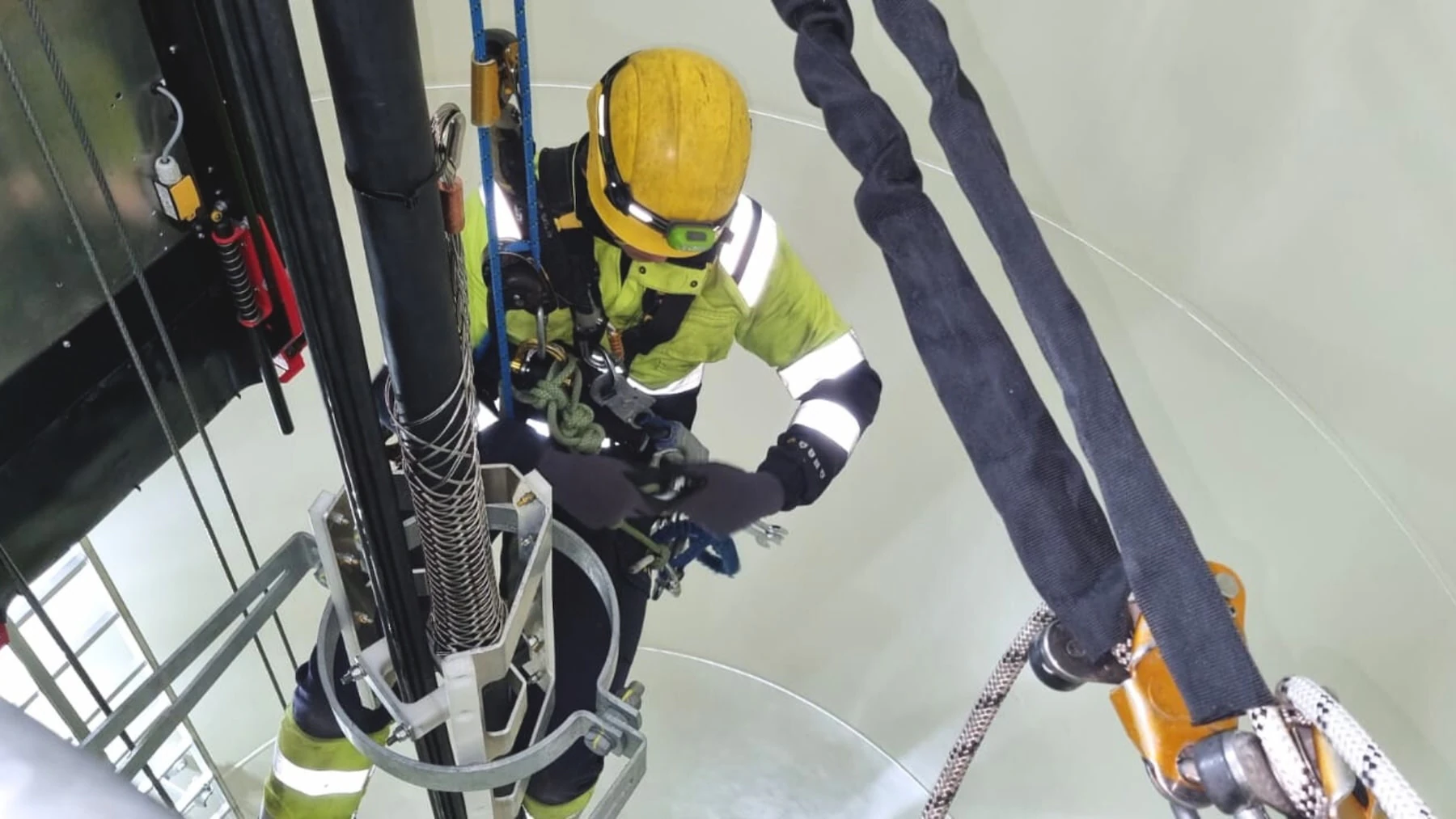
Official pay statistics for the occupation group that includes wind turbine technicians show median full-time earnings of about €3,660 a month in Finland (2024) and NOK 60,080 a month in Norway (2025). Denmark reports standardised earnings of DKK 55,504 a month (2025), and Lithuania recorded an average of €1,724 a month before tax (2022). In the UK, the National Careers Service gives £25,000 for a starter to £47,000 for an experienced technician a year.
These figures describe a national occupation group, not the pay for a particular wind farm or employer. Each statistics office measures pay slightly differently, so read the measure before comparing countries. Sources were checked on 22 October 2026. The euro column uses the European Central Bank reference rates for 21 October 2026 and is only a rough guide: it does not adjust for taxes or living costs.
How the countries were compared
The EU’s ESCO classification places the wind turbine technician occupation (ESCO 7412.12) in ISCO-08 unit group 7412, electrical mechanics and fitters. Norway, Denmark, Finland and Lithuania publish earnings for that unit group in their national occupation classifications. The UK figure comes from the National Careers Service profile for wind turbine technicians itself. Unit group 7412 also includes electrical mechanics who work outside wind, so a wind role with travel, rotation or offshore work can pay differently.
| Country | Source and period | Measure | Published figure | About € a month |
|---|---|---|---|---|
| United Kingdom | National Careers Service, wind turbine technician profile | Estimated annual salary, starter to experienced | £25,000–£47,000 a year | €2,490–€4,670 |
| Norway | Statistics Norway, table 11418, November 2025 | Median monthly earnings, unit group 7412; bonuses included, overtime excluded | NOK 60,080 a month | €5,720 |
| Denmark | Statistics Denmark, table LONS20, 2025 | Average standardised monthly earnings, unit group 7412; pension included, overtime excluded | DKK 55,504 a month | €7,430 |
| Finland | Statistics Finland, Structure of Earnings, 2024 | Median total monthly earnings, full-time, unit group 7412 | €3,662 a month | €3,662 |
| Lithuania | Statistics Lithuania, Structure of Earnings Survey, October 2022 | Average gross monthly earnings, unit group 7412 | €1,724 a month | €1,724 |
What each national figure includes
United Kingdom. The National Careers Service profile lists £25,000 for a starter and £47,000 for an experienced technician, with 37 to 40 hours a week and occasional on-call work, in remote rural areas or at sea. Its salary methodology describes the ranges as guidance drawn from sources including official statistics and vacancies; starter figures can include trainees. The profile does not split onshore and offshore pay.
Norway. Statistics Norway’s monthly earnings combine agreed pay in November with irregular supplements and bonuses averaged over the year; overtime is published separately and is not included. For unit group 7412, which Norway’s STYRK-08 classification names automatikere, the 2025 median was NOK 60,080 a month, compared with NOK 55,800 for all occupations. The figure covers about 6,200 full-time equivalents.
Denmark. Statistics Denmark’s standardised earnings exclude overtime and absence pay but include allowances, personal benefits, irregular payments and pension contributions, including ATP. Because pension is included, the Danish figure runs higher than a salary-only measure. For electrical mechanics and fitters in all sectors, excluding young people and trainees, standardised monthly earnings averaged DKK 55,504 in 2025, based on 2,313 full-time employees. The median standardised hourly rate was DKK 334.74.
Finland. Statistics Finland reports the monthly earnings of full-time employees. In 2024 the median total earnings for unit group 7412 were €3,662 a month, slightly above the €3,615 median for all full-time employees. Earnings for regular working hours alone had a median of €3,488. One in ten employees in the group earned less than €2,618 a month in total, and one in ten earned more than €5,335.
Lithuania. Statistics Lithuania’s Structure of Earnings Survey recorded average gross monthly earnings of €1,724.2 for unit group 7412, elektromechanikai ir elektromonteriai, in October 2022, against €1,827.5 for all occupations. The survey runs every four years and Lithuanian wages have risen since 2022, so treat the figure as a dated reference rather than a current offer level.
Why a wind technician offer can differ from these figures
National statistics average every employee in the occupation group. Wind work adds factors those averages do not isolate: travel, rotation, work at height, offshore transfers, weather standby and per diems. Depending on the country, an allowance may be paid as taxable salary or as a reimbursement, and some payments, such as Norwegian overtime, sit outside the published measure. Compare the components of a written offer rather than its headline number.
Experience: compare responsibility as well as years
A trainee, a supervised technician and a person authorised to lead work have different responsibilities. When discussing a pay grade, identify what it covers: scheduled servicing, diagnostics, commissioning, major component work, composite repair, or supervision. Ask which turbine platforms and authorisations the employer recognises and whether training changes the grade automatically or requires a separate assessment.
If you are entering the trade, read our guide to becoming a wind turbine technician. Buying another safety certificate does not establish competence for a higher-paid technical task. GWO’s BTT standard describes preparation for further company training and supervised work.
Onshore versus offshore: compare a full year on the same basis
The national statistics above do not provide a matched onshore/offshore pay comparison for the same country, grade and working hours. We therefore do not assign a percentage premium to offshore work. For an offshore offer, ask how the base pay, rotation, offshore allowance and paid working days fit together. A higher day rate can describe a different number of paid days or different costs.
- Hours and rotation: how many contracted hours and paid days are there, and are rest periods between rotations paid?
- Overtime and standby: what triggers extra pay, and what happens during weather delays, cancelled transfers or breakdown call-outs?
- Travel and accommodation: which journeys, travel hours, hotel or vessel stays and meals are paid or reimbursed?
- Allowances: is an offshore, on-call or shift allowance guaranteed, conditional or already included in the headline figure?
Employee salary, contractor day rate and take-home pay
Keep employee salary and contractor invoices in separate comparisons. For a contract day rate, establish the number of paid days and which costs you must meet: training, insurance, equipment, travel, accommodation and time between assignments. For employment, check annual leave, pension arrangements, sick pay and employer-funded training in the written offer. Do not multiply a day rate by every day of the year.
Gross pay is the amount before deductions; net pay is the amount after the relevant deductions. A foreign annual salary, a monthly net offer and a contractor day rate cannot be compared by their headline number. Obtain a written breakdown for your circumstances. The euro column above is only an exchange-rate conversion. We have not estimated personal taxes or treated expense reimbursement as salary.
Questions to settle before accepting an offer
- Which employer and work country does the contract name?
- What is the base amount, currency, pay period and gross or net basis?
- Which hours and rotation are covered, and what is paid outside them?
- Which allowances and reimbursements are additional, and under what conditions?
- Who pays for required training, renewals, medical assessments, travel and accommodation?
- What changes if a project is delayed or an assignment ends?
For Gridinta, use the wind turbine technician job listing to discuss the current project and request its pay terms from recruitment. If you are comparing rope-access assignments, our rope access salary guide covers that separate role family.