
Rope Access Technician Salary in Europe by IRATA Level, Sector and Contract
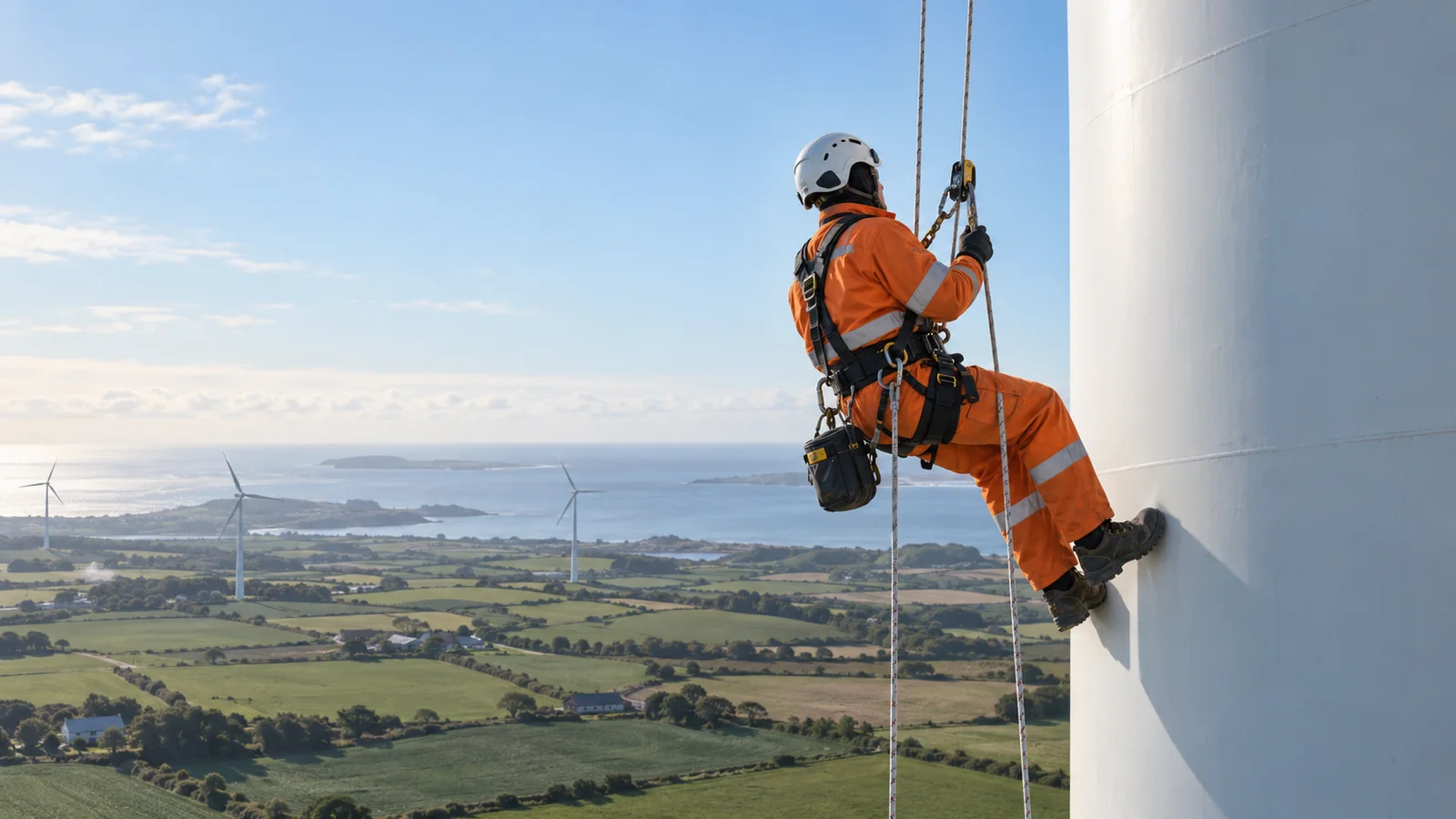
There is no single European rope access technician salary. Published UK ranges run from about £30,000 a year for a new Level 1 to £90,000 or more for an offshore Level 3, while Lithuanian job ads usually quote monthly pay after tax. The real figure depends less on the country you live in and more on four things: your IRATA level, the sector, how you are paid (salary, day rate or your own company) and what extra tickets you hold. As of October 2026, Gridinta pays rope access specialists 2,500–3,500 € net per month on a permanent contract, with travel and accommodation covered during secondments.
Why rope access technician salary figures are hard to compare
Most published numbers mix up gross and net pay, annual salary and day rates, and onshore and offshore work. A UK figure of £250 a day and a Lithuanian figure of 3,000 € net a month can describe very similar take-home money once tax, unpaid gaps between jobs and travel costs are counted.
Demand is strong, which supports pay. IRATA's 2025 Work and Safety Analysis, which covers 2024, reports that member companies employed 32,715 rope access personnel who worked about 33.7 million hours. Level 3 employment rose 31.3% to 10,458. In wind, the GWO and GWEC Global Wind Workforce Outlook 2025–2030 estimates that 628,000 wind technicians will be needed worldwide by 2030.
Rope access technician salary by IRATA level
A rope access technician salary rises with each IRATA grade because responsibility rises with it. A Level 1 works under supervision. A Level 2 can rig more complex systems and carry out more demanding rescues. A Level 3 supervises the site and writes or approves the rescue plan. Under IRATA's training and certification scheme, each upgrade needs at least 12 months and 1,000 logged working hours at the current level, as explained in the IRATA TACS FAQs. For more on the grades, see our guide to IRATA certification levels.
The table uses the UK because it has the most published data. The figures come from a January 2026 UK salary guide by a rope access firm, which compiled them from job boards and employers. Treat them as indicative ranges, not survey averages.
| IRATA level | Annual salary | Day rate | Offshore annual |
|---|---|---|---|
| Level 1 | £30,000–£40,000 | £150–£250 | £45,000+ |
| Level 2 | £40,000–£55,000 | £250–£350 | £55,000–£65,000 (wind, rail) |
| Level 3 | £55,000–£70,000+ | £350–£500+ | £70,000–£90,000+ |
The jump to Level 3 is the biggest single step in a rope access technician salary. An IRATA Level 3 salary reflects legal and safety accountability, so employers pay for proven supervisors, not just the card. Our article on what Level 3 supervisors actually do covers the role.
How the sector changes rope access pay
The same Level 2 card earns different money in different industries. The main reasons are remoteness, rotation length, the extra certificates required and how much skill sits on top of the rope work.
- Offshore oil and gas: traditionally the best paid, with long rotations, survival training and medicals required, and fabric maintenance, inspection and electrical work at a premium.
- Offshore wind: close to oil and gas rates for experienced staff, especially with GWO and blade repair skills. Campaigns are seasonal, which affects annual earnings.
- Onshore wind: steady work in spring to autumn, with blade inspection and repair paying more than general access work. A wind turbine rope access salary is usually lower than offshore but needs fewer tickets.
- Industrial (refineries, tanks, power plants): often UK-style hourly pay with long shifts during shutdowns, plus extra for NDT or CompEx.
- Building maintenance and facades: usually the lowest rates, but local work with no rotation and more nights at home.
IRATA's report shows 35% of working hours in 2024 were offshore and 65% onshore, so most technicians spend most of their time on land.
Salary, day rate or your own company
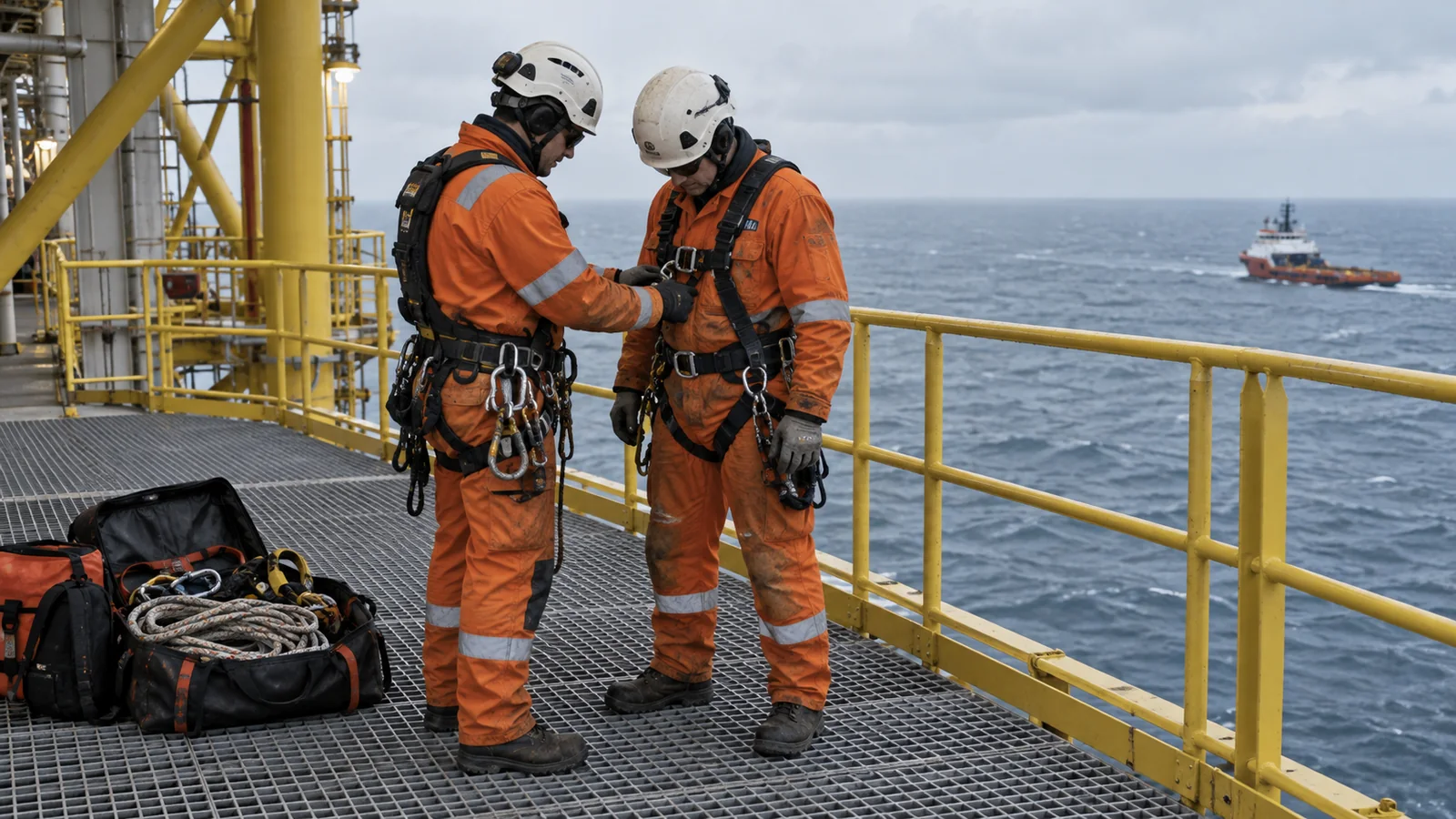
How you are paid changes both the headline and what you keep. A rope access day rate looks higher than a salary because the contractor carries costs and risks the employee does not.
| Factor | Employed (salary) | Day rate (agency or PAYE) | Self-employed or limited company |
|---|---|---|---|
| Paid between jobs | Yes | No | No |
| Holiday and sick pay | Yes | Limited | No |
| Tickets and medicals | Often paid by employer | Varies | Your cost |
| Travel and accommodation | Usually covered | Usually covered on site | Negotiated |
| Headline rate | Lowest | Middle | Highest |
A contractor who earns a high daily rate but works 150 days a year can end up with less than a salaried technician paid all year. Count the days you will actually bill before you compare offers.
Gross vs net, per diems and travel
Ask whether a figure is gross or net before anything else. UK and Nordic job ads usually quote gross pay. Lithuanian and many Baltic ads quote net pay, called "į rankas", which is why Gridinta's 2,500–3,500 € range is stated as net. For context, Statistics Lithuania reported an average gross monthly wage of about 2,630 € and net of about 1,590 € in the second quarter of 2026, published on its official statistics portal.
Per diems and covered travel can add a large, often tax-free, slice to real income. In Lithuania, foreign per diems within the government maximums are fully exempt from income tax only when the contract salary is at least 1.65 times the minimum wage. That threshold is 1,902.45 € gross per month in 2026, as LRT reported. Below it, only part of the per diem is tax-free. Check the current rules with the tax authority in your country.
Flights, hotels and meals during a rotation are a real cost. An offer that leaves them to you is worth less than its headline suggests.
Pay differences across European countries
Country affects a rope access technician salary mainly through tax and the employer's home base. The UK, Norway, Denmark and the Netherlands have high nominal pay and high living costs. Technicians from Lithuania, Latvia and Poland often work there on secondment for employers based at home.
Posting rules protect them. Under Directive (EU) 2018/957 on posted workers, a posted worker is entitled to the host country's remuneration rules, not only its minimum wage. After 12 months, which can be extended to 18, more host-country conditions apply. The directive also covers travel, board and lodging allowances. In practice, a Lithuanian technician on a Norwegian or German site should not be paid below the local rules for that work.
We have not found official national statistics for rope access pay in Norway, Sweden, Finland or Germany, so we do not quote figures for them. Use job ads with the gross or net basis stated, and compare the total package.
How to raise your rope access technician salary
The fastest increases come from skills that let a client finish more work with fewer people on the rope. Our guide to advancing in offshore rope access goes further.
- GWO Basic Safety Training: needed for most wind turbine work, onshore and offshore.
- OPITO BOSIET or FOET and an OEUK offshore medical: needed to fly to most North Sea platforms.
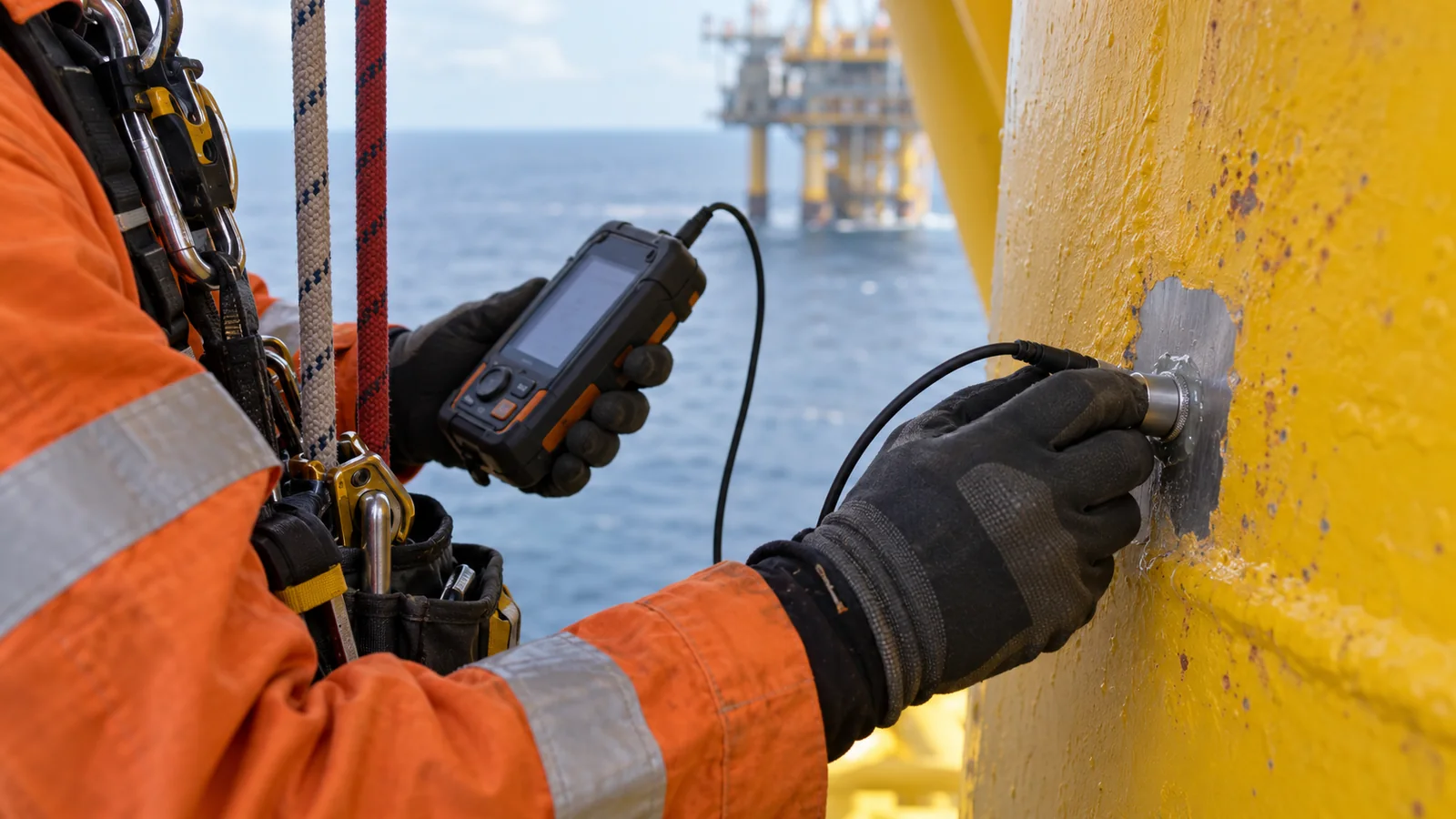
- NDT to ISO 9712 Level 2: ultrasonic, magnetic particle or visual inspection turns access work into inspection work.
- GWO Blade Repair: blade technicians are in short supply each summer.
- Welding, electrical or CompEx: coded welders and CompEx electricians in hazardous areas earn more than general access staff.
- IRATA Level 3: the largest step, once you have the hours and site experience.
Checklist before you accept an offer
- Confirm gross or net, and per month, day or hour.
- Ask whether travel, accommodation and meals are covered.
- Check per diems and how they are taxed.
- Ask if you are paid between projects and during weather standby.
- Check who pays for ticket renewals and medicals.
- Confirm the rotation and the expected number of working days a year.
- Check the contract type and the A1 social security certificate if you are posted in the EU.
If you hold IRATA and GWO tickets, see the current roles on our careers page. If you are starting out, our partner-delivered IRATA training is the first step.